A new study published in Frontiers in Sleep highlights how the timing of television viewing affects sleep duration in preschool-aged children. While prior research mostly focused on total screen time, this study emphasizes the significance of the period between evening TV use and bedtime, referred to as the "TV-to-bed delay."
Read More
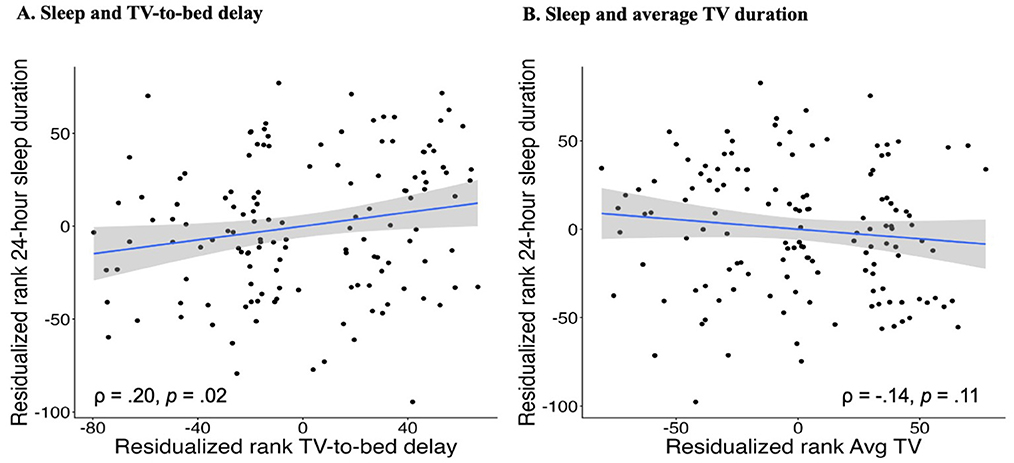
The study involved 137 typically developing children aged 3 to 5 years, with findings indicating that longer TV-to-bed delays correlate with increased 24-hour sleep duration. Specifically, the research found that an extended duration between ending TV watching and bedtime was significantly associated with longer sleep, with a partial correlation of 0.20 (p = 0.02). In contrast, average daily TV use did not show a significant correlation with sleep duration after controlling for age and average nap duration (ρ = -0.14, p = 0.11).
Participants were parents who provided data on their child’s average TV exposure and sleep patterns. The study noted that the average child in the sample had a daily screen time that generally exceeded the recommended limit of one hour for this age group, with some spending as much as 2 hours per day with screens.
Results suggest behavioral changes, such as ensuring a longer interval between TV use and bedtime, may lead to improved sleep outcomes. The study asserts that while decreasing overall screen time may be difficult for families, changing the timing of screen use could be an effective and practical approach.
The paper also notes prior studies linking evening screen exposure to sleep difficulties. These findings, coupled with expert consensus on sleep health, underscore the need to consider both the duration and timing of screen exposure in sleep recommendations for young children.
In summary, the study contributes valuable insights into how evening screen habits can affect sleep duration, advocating for further research into effective interventions to promote healthier sleep practices in early childhood.