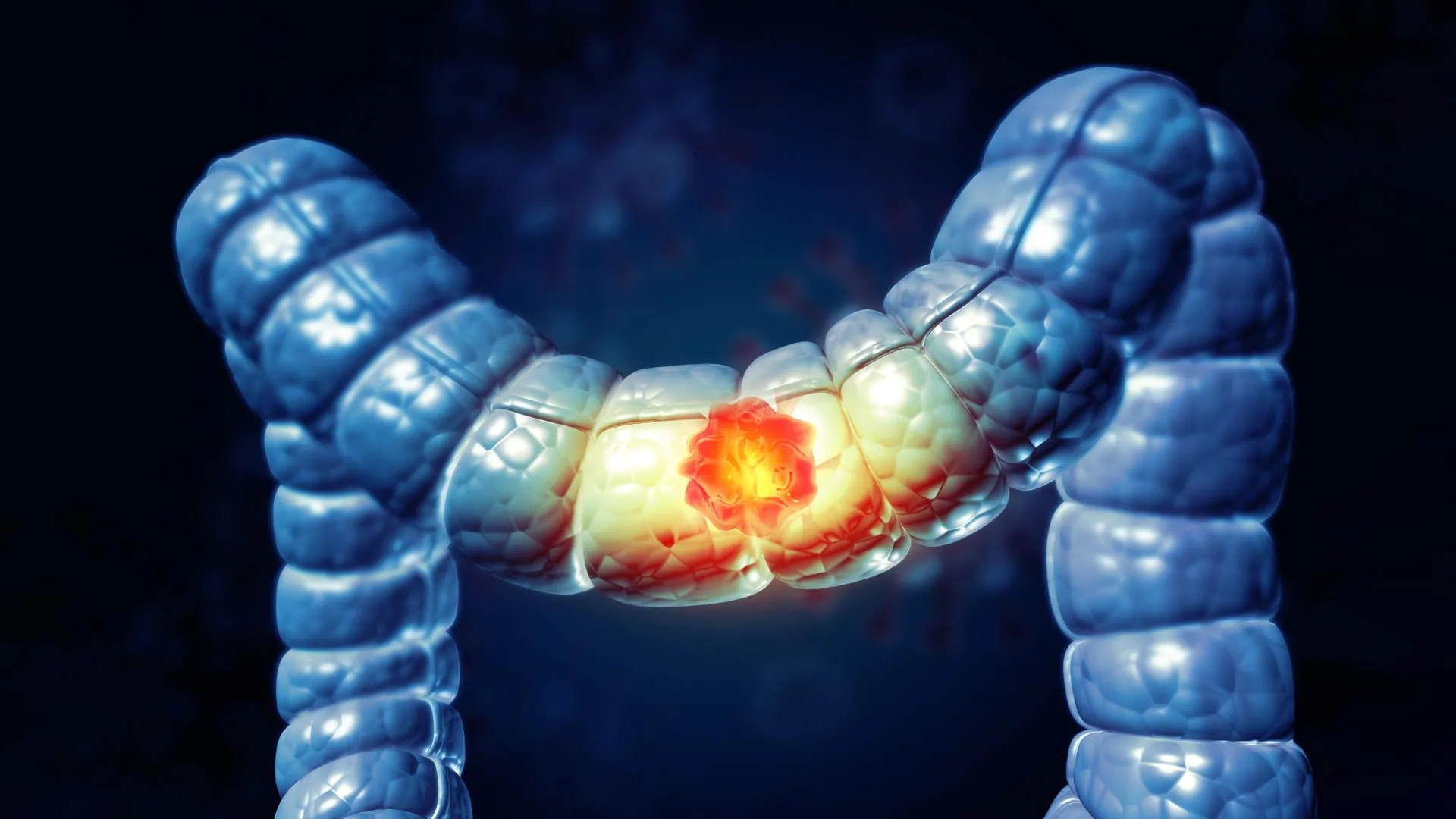
March is recognized as National Colorectal Cancer Awareness Month, and a recent poll conducted by the Physicians Committee for Responsible Medicine and Morning Consult highlights a significant gap in public awareness. Nearly half of Americans are unaware that consumption of processed meat is associated with an increased risk of colorectal cancer.
Read More
The survey, which included 2,202 U.S. adults and took place from February 9 to 11, 2026, showed that awareness can influence public opinion. After being informed of the connection, approximately two-thirds of respondents expressed support for warning labels on processed meat products indicating the cancer risk.
Joseph Barrocas, MD, an internal medicine specialist from Huntersville, N.C., emphasized the growing concern as colorectal cancer now ranks as the leading cause of cancer deaths in adults under 50. He noted that the findings are encouraging, as they reveal a willingness among people to learn more about health risks.
The poll also indicated that only about one in three adults recall being informed by healthcare professionals about the relationship between processed meat and colon cancer. Dr. Barrocas stated the importance of educating healthcare practitioners on this link, urging them to promote dietary recommendations alongside screening, particularly emphasizing the protective advantages of a diet rich in fruits, vegetables, grains, and beans.
Research supports that dietary choices and lifestyle modifications can significantly lower the risk of colorectal cancer. Individuals adhering to a plant-based diet have a 22% reduced risk of developing colorectal cancers compared to those following an omnivorous diet. This protective effect may stem from phytochemicals found in plant foods such as fruits and vegetables. Furthermore, maintaining a healthy weight, limiting alcohol consumption, and staying active contribute to a lower risk.
Fiber intake plays a crucial role in colorectal health. Studies indicate that those with higher fiber consumption enjoy a 72% lower risk of developing colon polyps, precursors to colorectal cancer, compared to those with lower intake.
Anna Herby, DHSc, RD, CDE, a nutrition education specialist with the Physicians Committee, pointed out that increasing fiber intake can reduce colorectal cancer risk by up to 10% for every additional 10 grams of fiber consumed daily. Simple ways to incorporate more fiber include eating over a cup of raspberries, two tablespoons of chia seeds, or two-thirds of a cup of black beans.
In response to these findings, the Physicians Committee is offering its Food for Life plant-based nutrition and cooking class program online and in various locations across the United States throughout March, aiming to educate the public on the role of diet in cancer prevention.