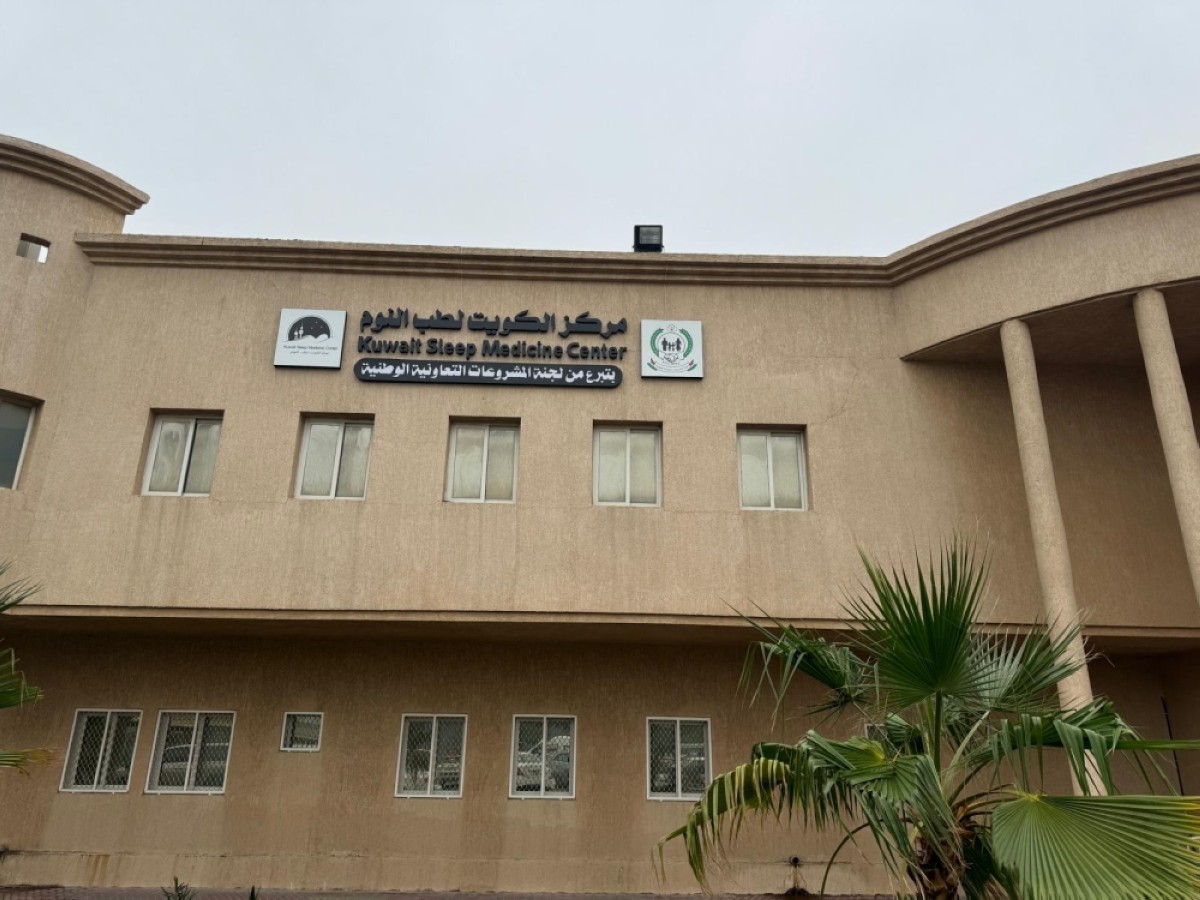
Kuwait has long embraced the tradition of midday napping, a practice supported by recent scientific findings. Historically, businesses would close during the hottest hours of the afternoon, allowing workers to rest before returning in the evening. Although this custom has diminished due to modern work patterns, Dr. Eiman Turki Alanbay, head of the Kuwait Sleep Medicine Center and an expert in pulmonary diseases and sleep medicine, highlights that recent research validates the logical basis for such practices.
Read More
Dr. Alanbay points out that afternoon drowsiness is a normal biological response and not a signal of laziness. “There is what is known as the afternoon dip,” she explained, noting that the human body is naturally programmed for two peaks of alertness each day, rather than continuous activity. Feeling sleepy around two or three in the afternoon is simply the body communicating its needs.
Modern studies have linked short naps to benefits such as enhanced concentration, quicker reaction times, and lower stress levels. Citing research conducted in Saudi Arabia, Turkey, and Malaysia, Dr. Alanbay stated that regular nappers reported significantly reduced stress compared to those who did not nap. She also referred to guidelines from the American Heart Association, which underscore the importance of daytime energy and alertness for cardiovascular health.
Dr. Alanbay likens the effect of a brief nap to rebooting an electronic device, explaining that during light sleep, the brain reorganizes neural activity, restoring focus and mental clarity. She recommends a nap duration of 20 to 30 minutes, as longer naps may lead to grogginess from deeper sleep stages. Additionally, she clarified that adverse health effects linked to napping often pertain to individuals with existing medical conditions rather than healthy nappers.
In addressing claims that naps can increase mortality risk, she noted that studies often involved late-afternoon naps or participants with underlying health issues. The unique climate of Kuwait makes napping particularly relevant, with the Arabic term "qailulah" referring to rest during the hottest part of the day. According to Dr. Alanbay, midday naps are not merely a luxury; they are essential for health and well-being.
While many workplaces have eliminated traditional afternoon breaks, Dr. Alanbay believes that valuable practices in stress management have been lost. Research indicates that those who nap after the Dhuhr prayer tend to have lower stress levels. She suggests implementing structured rest periods without compromising productivity as a way to revive this beneficial habit.
Short naps may also foster creativity, as research from MIT and Harvard shows that individuals tackling specific problems before a brief nap demonstrate improved creative performance afterward. Dr. Alanbay advises framing a challenge before napping and noting ideas that arise post-rest.
Moreover, Dr. Alanbay underscores the cultural and religious significance of midday naps within Islam, describing them as a Prophetic Sunnah. She references a verse from the Quran noting the tranquility associated with drowsiness, emphasizing that afternoon rests are often linked to reassurance rather than idleness. “If you feel sleepy in the afternoon, your body is communicating with you,” she concluded, asserting that the midday nap is deeply embedded in human biology, scientific research, and Islamic tradition.