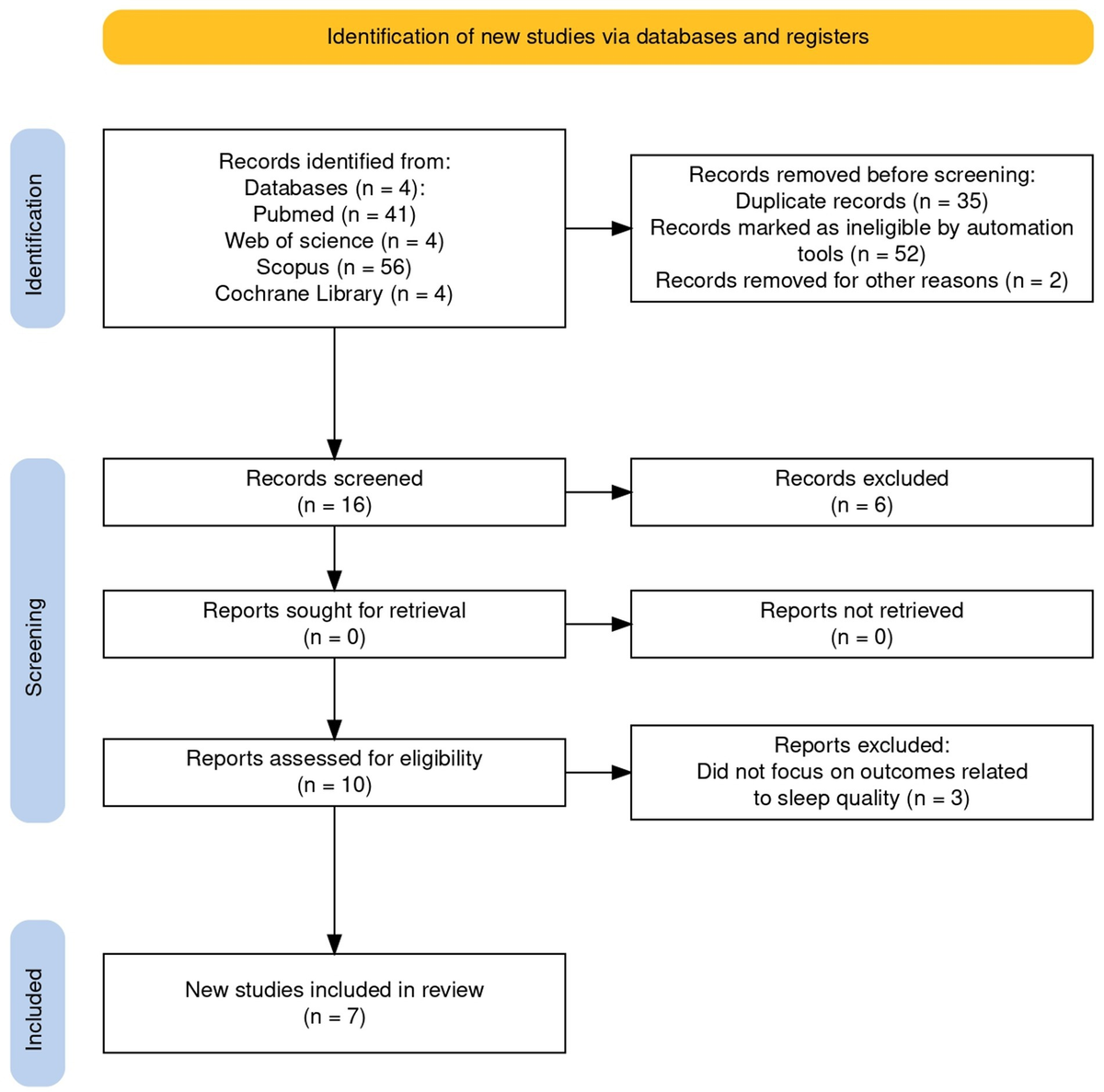
This scoping review examines the effectiveness of cognitive behavioral therapy for insomnia (CBT-I) in individuals with neurodegenerative disorders, specifically Alzheimer’s disease (AD), mild cognitive impairment (MCI), and Parkinson’s disease (PD). Insomnia is prevalent in these populations, but existing pharmacological treatments pose risks, highlighting the need for non-pharmacological alternatives.
Read More
The review followed a preregistered protocol and analyzed studies published from 2015 to 2025 across multiple databases. A total of 105 records were identified, leading to the inclusion of eight studies that met specific eligibility criteria regarding CBT-I interventions.
Results indicated that CBT-I, delivered both in-person and via telehealth, significantly reduced insomnia severity and improved sleep quality. Many participants also reported benefits in mood and daily functioning. The remote delivery methods proved effective for both patients and caregivers, suggesting that CBT-I is a feasible option for cognitively vulnerable individuals. Notably, preliminary findings indicated potential cognitive improvements in at-risk populations, such as those with AD and MCI, linking better sleep to neurobiological mechanisms like amyloid-beta dynamics.
In PD, evidence suggested that modifying cognitive arousal, dysfunctional sleep beliefs, and safety behaviors could enhance treatment outcomes. Comparisons with non-pharmacological alternatives, such as mindfulness and therapeutic exercise, highlighted the potential advantage of CBT-I in addressing insomnia.
Despite these promising outcomes, the review notes limitations, including the small sample sizes, varied methodologies, and short follow-up periods, which affect the robustness of the conclusions drawn. Future research should focus on multicenter randomized trials to validate these findings, explore long-term effects, and assess the comparative effectiveness of CBT-I against other treatments. Additionally, there is a pressing need for adaptive protocols that cater specifically to the unique challenges posed by PD and MCI.
The review ultimately suggests that CBT-I holds promise as a primary intervention for insomnia in neurodegenerative conditions, warranting further study to fully establish its efficacy and mechanisms.