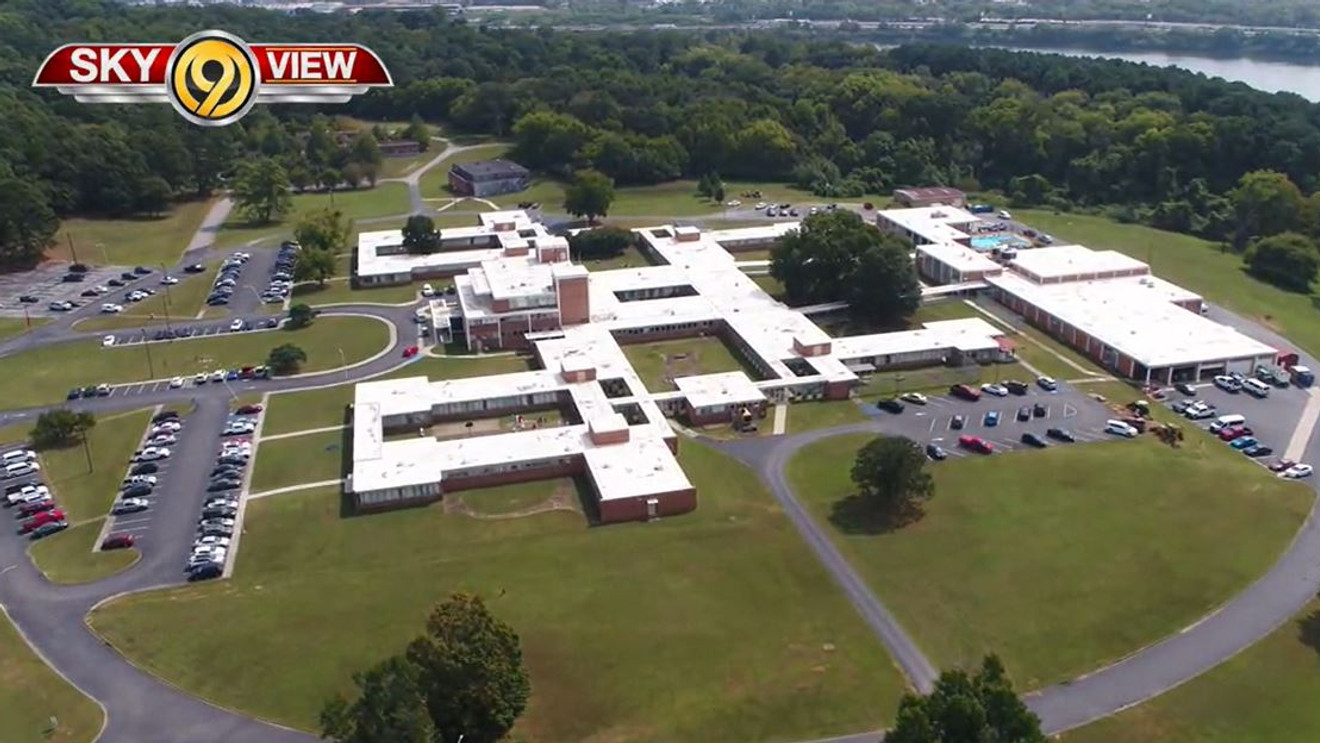
CHATTANOOGA, Tenn. — The Tennessee Department of Mental Health and Substance Abuse Services (TDMHSAS) and the Department of General Services (DGS) have announced that the new location for the Moccasin Bend Mental Health Institute will be on Birmingham Highway. The decision was revealed Wednesday afternoon.
Read More
District 1 Councilman Chip Henderson expressed his disappointment upon learning about the state’s decision, stating concerns about the potential safety impacts on the surrounding community. He plans to address these issues with state officials.
The Moccasin Bend Mental Health Institute, which opened in 1961, currently serves 52 counties in East Tennessee and has 150 adult psychiatric beds. It primarily treats patients with severe mental illnesses, many of whom are admitted involuntarily. Previous plans aimed to replace and expand the existing facility on its current grounds, but this sparked controversy due to the historical significance of the site.
An archaeological review conducted in September 2024 revealed that 73% of the existing hospital site contains significant historic materials. While no human remains were found, archaeologists noted that some areas may still contain undiscovered burials. As a result, Governor Bill Lee announced that the state would seek an alternative location.
Over the past three years, the state considered more than 120 properties before ultimately selecting a 49-acre site on Birmingham Highway, near Interstate 24 and just a few miles from the current hospital location. The new facility will feature a capacity of up to 200 beds.
Tennessee mental health commissioner Marie Williams confirmed the importance of keeping the facility within the community to retain over 400 local jobs. State Senator Bo Watson emphasized that the new hospital represents not only a new building but also an investment in families and mental health care professionals.
While the Birmingham Highway site has been chosen, some local officials, including Hamilton County Mayor Weston Wamp and commissioner Montrell Besley, have raised transparency concerns about the lack of community input in the decision-making process. Mayor Wamp indicated that the state plans to engage with neighborhood associations to address resident questions and concerns.
Despite increases in construction costs since the project was approved with a budget of $260 million by the Tennessee General Assembly in 2022, the state remains optimistic about completing the new facility within the original budget.