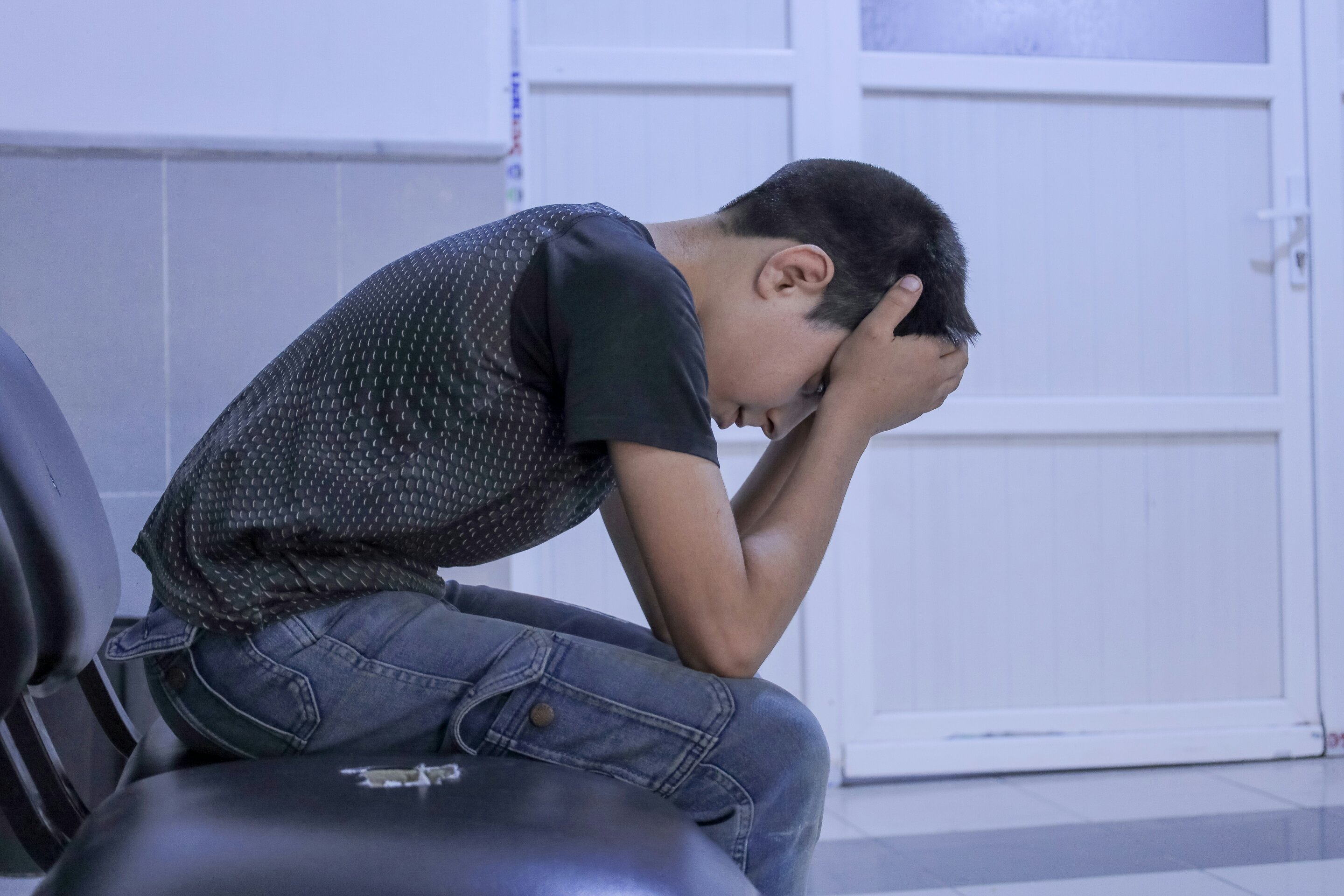
A study from the University of Cambridge highlights that many vulnerable children and young people in England are not receiving necessary mental health support despite their increased needs.
Read More
Children and youth on child protection plans or in care are particularly at risk, with evidence suggesting they are significantly more likely to face serious mental health issues. Yet, fewer than one in five accessed mental health services within a year. Overall, it is estimated that 18% of children and young people in England have probable mental health disorders, but fewer than half receive the needed referrals.
Currently, almost 50,000 youth are on child protection plans and about 84,000 are in care, often stemming from backgrounds that include abuse and neglect. Prior studies have indicated that up to half of these children could experience clinically significant mental health problems.
The research examined data from NHS Digital regarding children referred to or receiving mental health support between April 2016 and March 2021. Across this time frame, nearly 2 million children interacted with mental health services, with a year-on-year increase. Anxiety (13%), being in crisis (10%), depression (7%), neurodevelopmental conditions (6%), and self-harm (6%) were the most common reasons for referrals. However, the primary reason for referral was not recorded in 67% of cases.
Children on child protection plans or in care had a 2 to 3 times higher likelihood of contacting mental health services, yet only 9% to 18% actually did so each year. A significant barrier appears to be hesitancy from child and adolescent mental health services (CAMHS) to accept these referrals, leaving families and child welfare services to manage the resulting gaps in care.
Instances were noted where young individuals were rejected for support based on perceptions that their situations were too complex or more aligned with social issues than health needs. For example, one 12-year-old girl in residential care was denied intensive support following a suicide attempt because her situation was viewed as too complicated. Similarly, another 12-year-old boy was refused access to CAMHS after an overdose because his issues were categorized as social.
Professor Robbie Duschinsky from the University of Cambridge stated that many children with mental health difficulties are denied treatment due to perceptions of their living situations as too intricate for mental health services.
The study also found a decline in mental health service contact among youths aged 17 to 18, which is concerning since late adolescence is a critical time for mental illness onset. Potential reasons for this decline include lack of advocacy for older teens and respect for their wishes to disengage from services.
Furthermore, disparities exist in service access based on ethnicity, with Asian and Black youth less likely to engage with mental health services relative to population estimates. Dr. Barry Coughlan, the study's lead author, emphasized the rising demand for these services and the critical need to support vulnerable youths during their teenage years to prevent long-term mental health issues.
Additionally, there is some indication that children on protection plans or in care had increased contact with mental health services during 2020–21, likely reflecting the heightened impact of COVID-19 on these individuals. This research marks the first use of NHS Digital child mental health data for epidemiological study, shedding light on significant health inequalities.