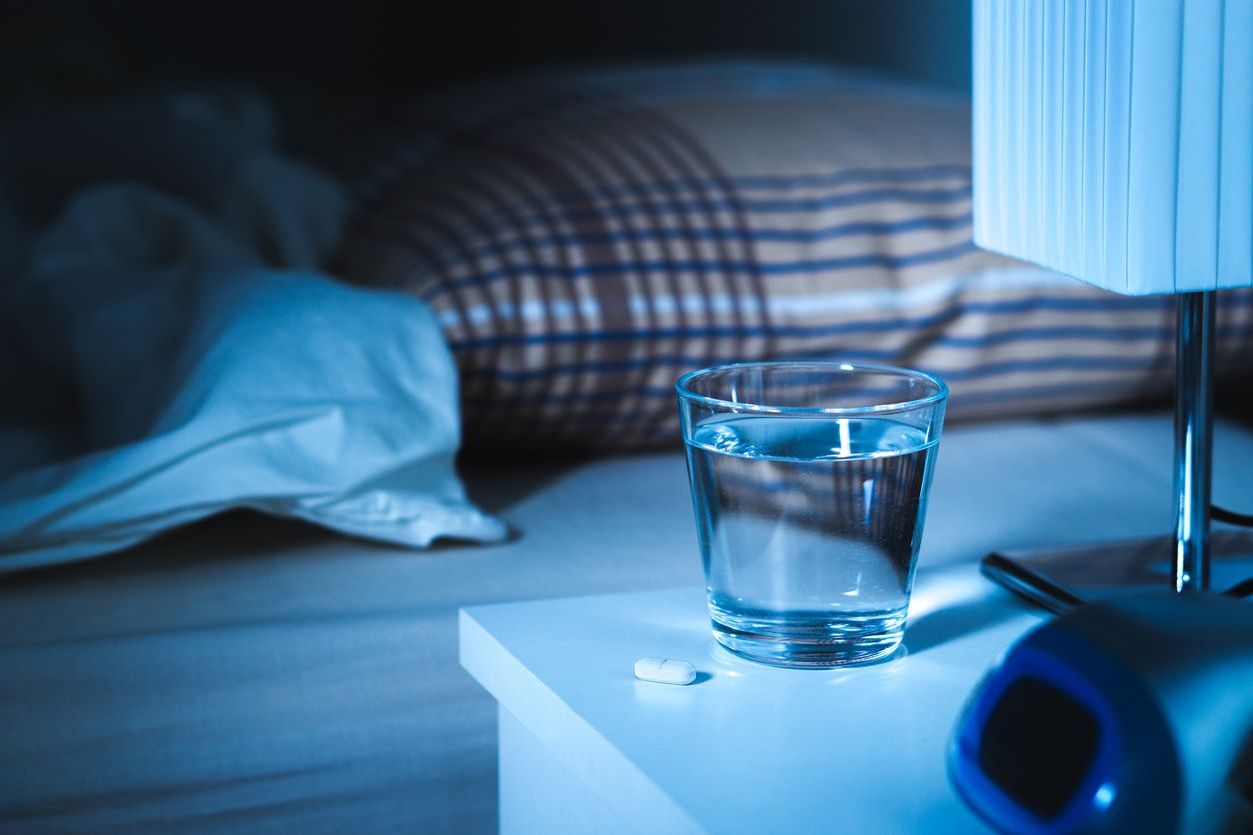
Sleep constitutes about one-third of human life and is crucial from an evolutionary standpoint. It is believed to contribute to neurorestoration and enable the glymphatic system to clear neurotoxic substances, including amyloid-beta and tau. Good sleep correlates positively with mental health, cognitive function, endocrine function, immune system health, metabolism, cardiovascular health, and more. Conversely, poor sleep is linked to various medical and neuropsychiatric disorders.
Read More
This article does not reiterate established methods for diagnosing and treating insomnia but focuses on practical aspects often overlooked in clinical settings. As insomnia is a common symptom in patients with various medical and psychiatric conditions, there is a need for flexibility in treatment approaches.
The following practical advice primarily addresses the use of approved hypnotic medications, such as z-drugs and dual orexin receptor antagonists (DORAs), though these principles may apply to other insomnia treatments as well. Factors that contribute to insomnia can be categorized into three types: predisposing, precipitating, and perpetuating factors, which should be explored before prescribing.
Patients may experience different types of insomnia: difficulty falling asleep, waking frequently during the night, or waking early without returning to sleep. Treatment strategies vary based on the specific type of insomnia. Those with primary insomnia typically benefit from z-drugs or DORAs, while secondary insomnia related to psychiatric disorders might require other sedative medications depending on the condition.
Benzodiazepines and z-hypnotics are usually recommended for short durations (no more than four weeks) due to risks of tolerance and dependence. DORA drugs and off-label treatments are often considered for longer-term use, as they generally lack these concerns.
Evaluating the severity of insomnia involves assessing sleep patterns, such as bedtime, time to fall asleep, frequency and length of awakenings, total sleep duration, and sleep quality. Various assessment tools like rating scales and sleep diaries can assist in tracking these metrics.
Regarding dosing, several neurotransmitter systems affect sleep regulation, which may necessitate adjustments in sedative-hypnotic doses for different patients. For instance, those with substance use disorders may require higher doses due to persistent insomnia, while healthy individuals might only need low doses for occasional sleep difficulties.
Z-drugs and DORA drugs are quickly absorbed and effective for sleep-onset insomnia but may not provide the same benefits for early morning awakenings. A patient's nutritional habits, particularly meal timing and content, significantly impact the absorption and efficacy of these medications. For example, a hypnotic taken on an empty stomach can lead to drowsiness within 15-45 minutes, while taking it after a large meal could delay absorption and reduce its effectiveness.
The use of GLP-1 receptor agonists can also delay gastric emptying, requiring patients to find ideal timing for hypnotic administration post-meal.
Half-life considerations are crucial, as shorter-acting drugs like zaleplon may not help with issues like early morning awakenings, whereas extended-release options are more suitable.
In treating insomnia related to other psychotropic medications, different strategies can be employed to minimize oversedation, such as timing dosages carefully or splitting doses between night and day.
Managing insomnia in patients on monoamine oxidase inhibitors (MAOIs) like tranylcypromine presents unique challenges, especially since insomnia itself can be a side effect. Close attention is needed when considering combinations with other sedative medications.
Patient education on sleep hygiene and cognitive-behavioral strategies should accompany pharmacological interventions to optimize treatment outcomes, as good sleep hygiene alone is often insufficient for resolving insomnia. Resources on these approaches are widely available online.
This article, by Chittaranjan Andrade, has no reported financial relationships or funding support.