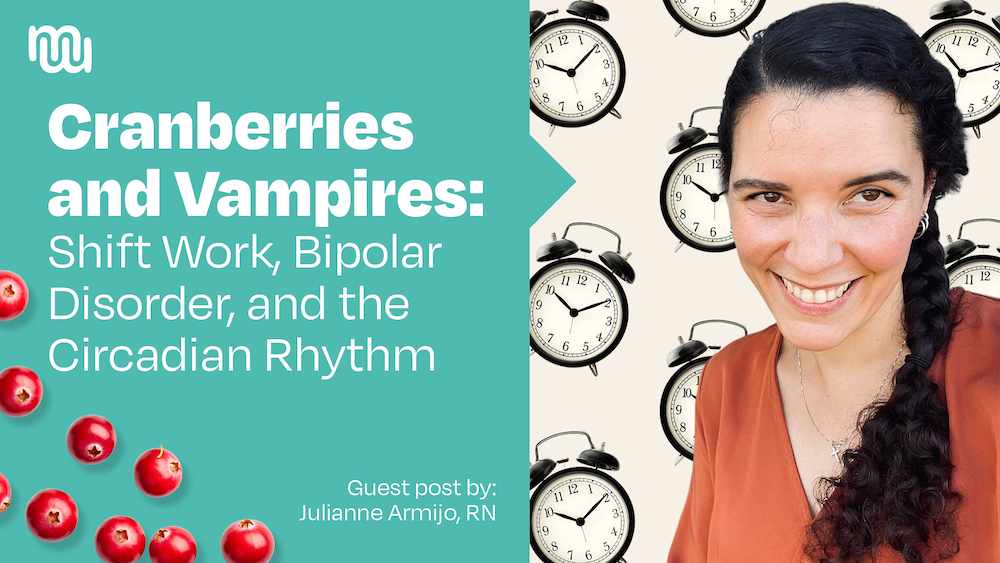
In a surprising career shift, a former critical care nurse announced plans to start an organic cranberry farm, eliciting mixed reactions from friends and colleagues. Two years after graduating from nursing school, the individual expressed excitement about this new venture despite existing in a demanding night shift routine. This enthusiasm may have masked underlying symptoms of bipolar disorder, characterized by extreme mood swings, which went undiagnosed until nearly a decade later.
Read More
The individual's diagnosis journey progressed from major depression in their teens to bipolar II in their early thirties, culminating in a diagnosis of bipolar I in 2022. While such a diagnosis can be daunting, it can also serve as a catalyst for a more enriching and balanced life. Through understanding personal behavior patterns and triggers, the individual began exploring the relationship between sleep, work schedules, and overall health, leading to a deeper investigation into circadian rhythms—the body's internal clock regulating various biological processes.
Circadian rhythms operate on a roughly 24-hour cycle, governing activities such as sleep, hormone release, and metabolism. The suprachiasmatic nucleus in the brain helps synchronize these rhythms with light cues from the environment. Disruptions to these patterns can significantly impact mood and stability, particularly in individuals with bipolar disorder. Factors such as stress and inconsistent work schedules can result in emotional instability and exhaustion. The importance of social rhythms also emerged, as regular scheduling of meals and social interactions can help stabilize mood.
During what the author termed “Operation Cranberry,” consistent night shift routines helped maintain some stability despite the challenges of living in a nocturnal lifestyle. However, the lack of sunlight exposure countered natural circadian rhythms, which could lead to mood instability.
Recent research in chronobiology has highlighted how individual chronotypes—tendencies towards being morning or evening people—along with related clock genes, can influence mood and energy levels throughout the day. Research indicates that those with bipolar disorder often experience chronotype instability, adding complexity to managing work and health.
Throughout this journey, the author learned the difficulties of maintaining regular sleep and wake times while balancing the demands of night shifts, which can impact mental health. After an intensive four-month venture into organic farming, which ultimately strained resources and led to the need for reinstating the nursing role, they recognized the importance of full-spectrum sunlight to overall well-being and mood stabilization.
Despite attempts to control the night shift environment with tools like blackout curtains and strategic lighting, the struggle to maintain a consistent circadian rhythm persisted. The interplay between bipolar disorder, diet, and metabolic health emerged as a significant area of interest, with studies linking shift work to increased risks of metabolic diseases.
Through this exploration, the author found that dietary changes, particularly adopting a lower carbohydrate or ketogenic diet, could positively impact mood regulation and overall health. This shift, coupled with a better understanding of chronobiology, ultimately contributed to improved life stability and hormonal balance.
The author advocates for workplace adjustments to better support individuals with circadian-sensitive conditions like bipolar disorder. Recommendations include providing nutritious food options for night workers and accommodating work schedules to align better with individual chronotypes. As awareness of the relationship between mental health, metabolism, and work demands grows, advocating for systemic changes in healthcare practices becomes critical.
Finally, reflecting on the balance between personal, professional, and biological rhythms offers hope for those navigating similar challenges. Through continued research and by fostering supportive environments, both for patients and healthcare professionals, strides can be made towards improving the lives of those affected by bipolar disorder.