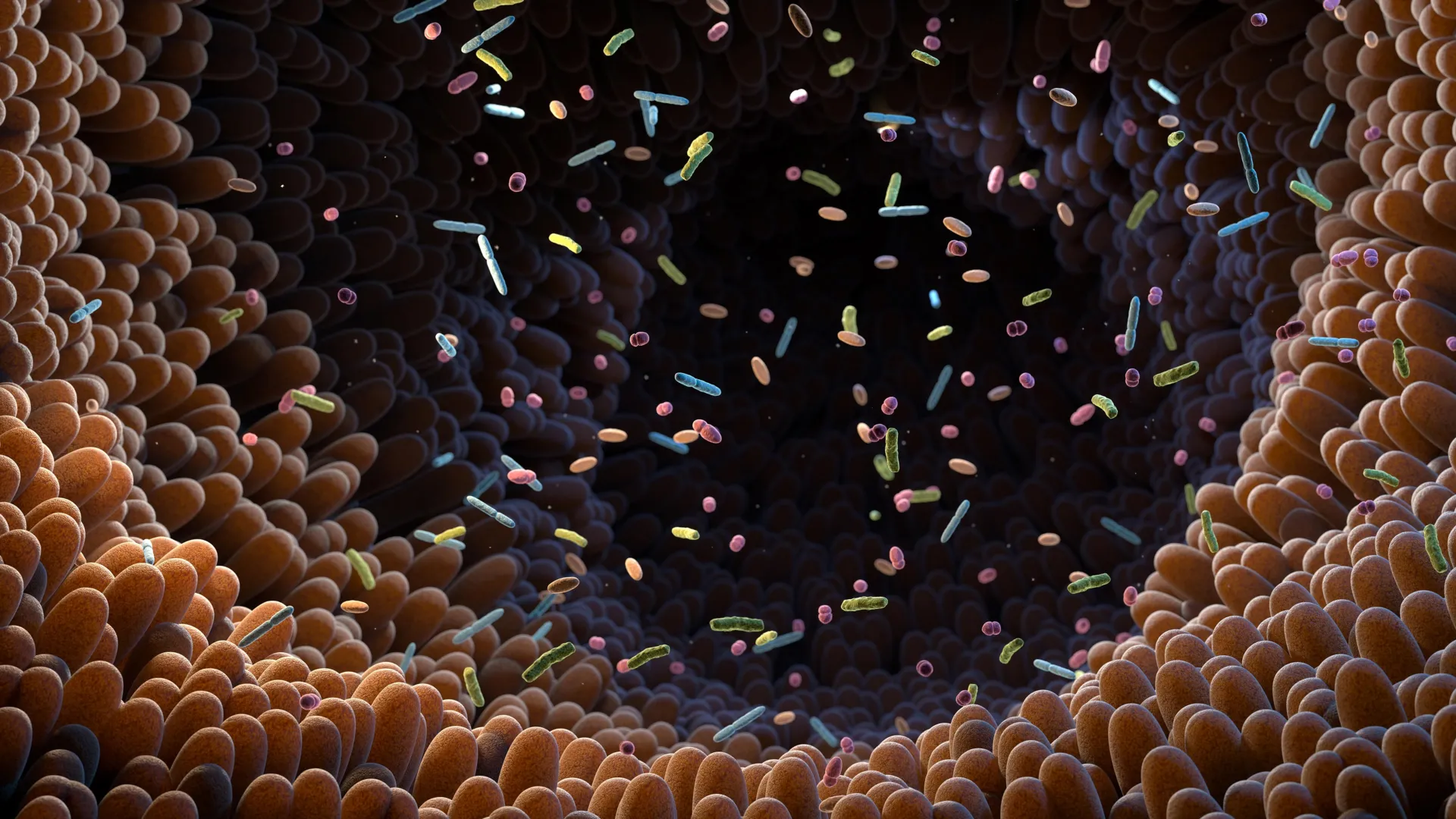
Researchers at Karolinska Institutet have discovered that gut microbes can convert nitrate and iron from plant-based foods into molecules that may help guard against cardiovascular and metabolic diseases. The research, published in the journal Cell, highlights a previously unidentified mechanism by which gut microbiota influences bodily functions.
Read More
Nitrate is abundant in various vegetables, particularly in beetroot and leafy greens like spinach, rocket, and lettuce. Similarly, non-haem iron, which is found in plant foods such as beans, whole grains, and green vegetables, is a common dietary component.
The study demonstrated that gut bacteria can combine dietary nitrate and non-haem iron to create dinitrosyl iron complexes (DNICs). These molecules can be absorbed into the bloodstream and transported to organs such as the liver and kidneys.
Key to DNIC Formation
The research involved experiments with mice, cells, bacteria, and human samples, employing advanced analytical methods to identify DNIC in various tissue types. Notably, DNIC was completely absent in germ-free mice, indicating the necessity of gut microbes in their production. "Our results show that gut bacteria can convert components in food into biologically active molecules that influence important bodily functions," said Andrei L. Kleschyov, Senior Researcher at the Department of Physiology and Pharmacology at Karolinska Institutet, the first and co-corresponding author of the study.
Health Benefits of Increased DNIC Levels
The team examined the effects of increased DNIC levels by supplementing diets with nitrate and iron or administering synthetic DNIC. In an animal model of cardiovascular and metabolic disease, heightened DNIC levels correlated with improvements in health metrics. According to Mattias Carlström, Professor of Cardiorenal Physiology at Karolinska Institutet, "We observed lower blood pressure, better vascular function, improved blood sugar control, and reduced liver fat accumulation. This helps elucidate why a vegetable-rich diet is linked to a lower disease risk."
Implications for Nutritional Guidance
The findings suggest a potential mechanism by which diet and specific gut bacteria collaborate to enhance health. However, the researchers note that most experiments were conducted in laboratory models, indicating a need for further studies to clarify how these processes operate in humans.
Future Research Plans
Looking ahead, researchers aim to establish reliable methods for measuring DNIC levels in humans and to further understand their production, movement through the body, and impact on physiological functions. Another critical question is whether dietary changes or modifications in gut microbiota can be utilized to influence DNIC levels and help prevent disease.
This study involved collaboration with the University Medical Centre Hamburg-Eppendorf and Johannes Gutenberg University Medical Centre Mainz in Germany, with funding from various sources, including the Swedish Research Council and the Novo Nordisk Foundation. The researchers reported no conflicts of interest.