This study investigates the effects of brief, community-based Reiki sessions on self-reported stress and pain levels in high-stress communities in Chicago. The research analyzed data from 1,724 participants who received ten-minute Reiki treatments between September 2022 and December 2024, yielding significant reductions in both stress and pain levels.
Read More
Reiki, a non-invasive healing practice developed in Japan in 1922, aims to promote relaxation and alleviate stress and pain. Although previous studies have indicated that Reiki can be beneficial, there is limited evidence specifically evaluating the impact of short, community-based sessions.
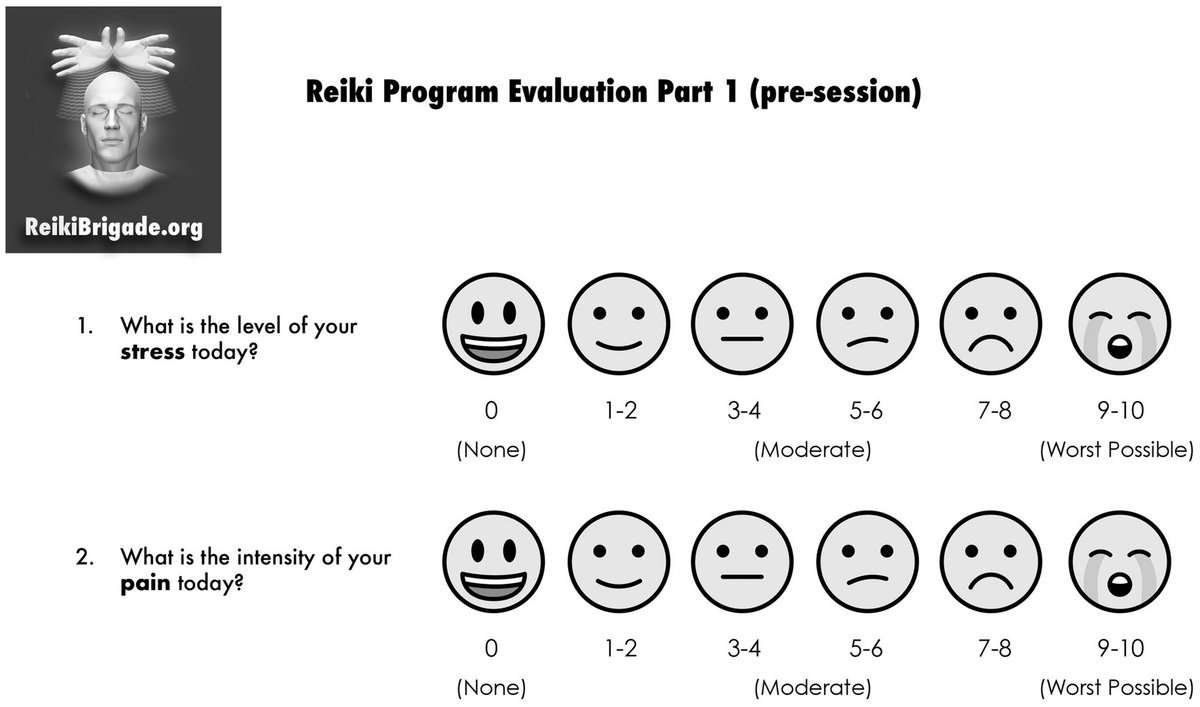
In this exploratory study, participants reported an average reduction in stress levels of 72.62% and a pain reduction of 63.34% following the Reiki sessions. The data was collected using a 1–10 scale, with an accompanying visual representation to ensure clarity. Participants were also prompted to provide qualitative feedback, revealing that many felt relaxed and surprised by the effectiveness of the treatment.
Despite the promising results, the study's design has limitations, such as the lack of a control group and demographic data collection. The participants included first responders, veterans, and individuals in academic or at-risk communities experiencing high levels of stress.
Given these exploratory findings, the authors suggest there is potential for Reiki to be used as a complementary approach to support mental health in high-stress environments. The study emphasizes the need for further research to validate these results and explore larger, controlled studies that could examine the long-term effects of Reiki.