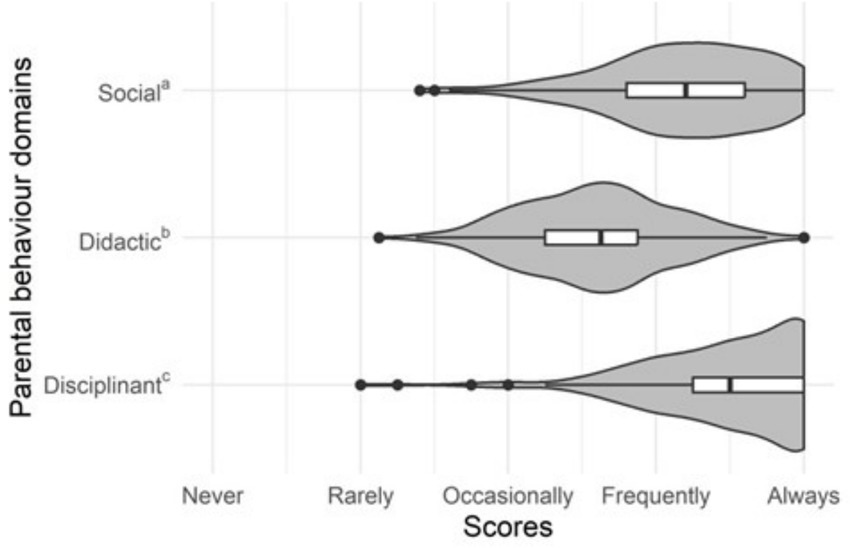
A study published in *Frontiers in Nutrition* investigates the relationship between parenting styles and children's adherence to the Mediterranean diet (MD). The Mediterranean diet is recognized for its health benefits, fostering growth and well-being in children. It emphasizes whole foods such as fruits, vegetables, and whole grains while limiting processed foods.
Read More
Researchers examined data from 332 fifth-grade students, aged 10 to 12, who participated in an educational initiative known as "Le Buone Abitudini" (Good Habits) in Padua, Italy. The children’s mothers completed an anonymous, self-administered online questionnaire assessing the children’s adherence to the Mediterranean diet using the KidMed score. This questionnaire also collected information on parenting styles, lifestyle factors, and socioeconomic status.
Results indicated that 86.2% of children showed medium to high adherence to the Mediterranean diet. A multivariable analysis highlighted a significant correlation between a didactic parenting style—characterized by supportive and structured guidance—and increased adherence to the MD (regression coefficient 0.95, p < 0.001).
The findings underscore the influence of parental behavior on children’s dietary habits. The didactic approach involves parents blending care with appropriate rules, fostering better adherence to the Mediterranean diet among children. Researchers advocate for health promotion programs to educate parents about effective parenting styles to cultivate healthy eating habits in children.
The study reinforces the importance of early healthy eating habits in reducing future health risks, such as obesity and diabetes. By promoting authoritative parenting techniques within nutritional education, families can potentially improve children's long-term dietary practices.