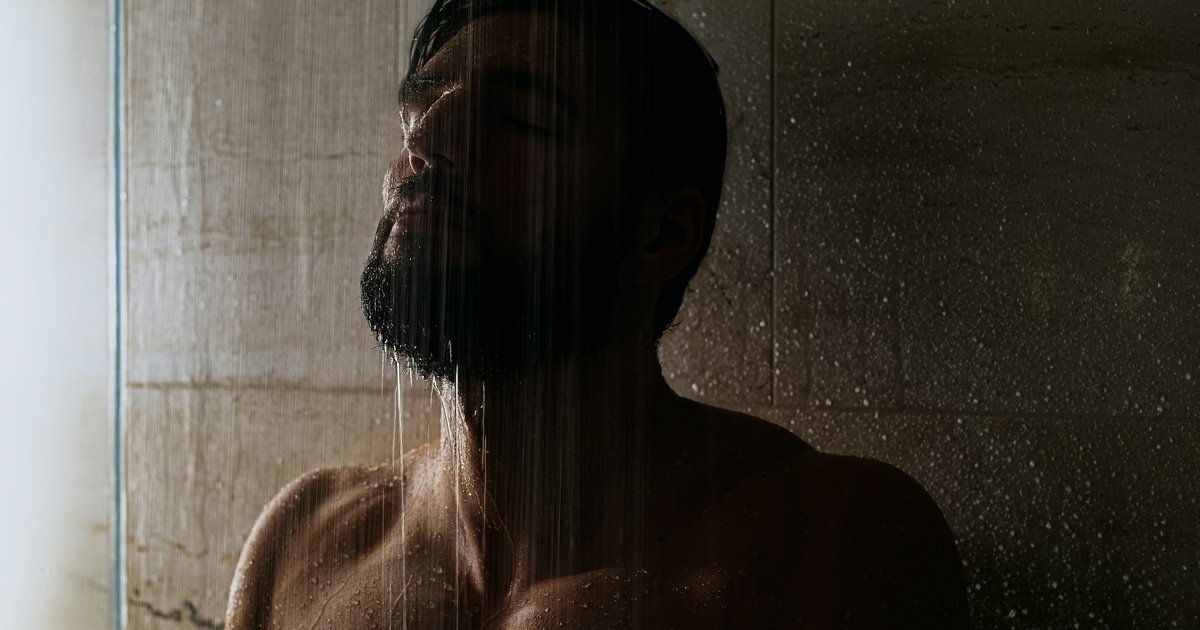
Dark showering, which has gained popularity on social media, involves dimming the lights or using a candle while showering to create a calming atmosphere. Advocates suggest that this practice can help shift the body into relaxation mode, making it easier to sleep.
Read More
Nidhi Pandya, author of "Your Body Already Knows," explained to Real Simple that unlike a bright morning shower, which aims to energize and awaken, a dark shower serves as a ritual to soothe the nervous system. By creating a sensory cocoon through reduced lighting, it signals the body to unwind.
However, experts caution that the risk of slipping in complete darkness may outweigh some benefits. Dr. W. Christopher Winter, a sleep specialist, pointed out that many people shower in overly bright environments, which can be counterproductive to relaxation.
Insomnia is a significant issue, with a 2022 survey indicating that 14% of U.S. adults struggle to fall asleep most days. Furthermore, a 2023 report highlighted that 50-70 million Americans suffer from sleep disorders, and a third of adults do not meet the advised 7-8 hours of sleep nightly.
While further scientific research on dark showering is needed, some studies suggest that warm showers taken in the evening can positively impact sleep. A warm shower induces a rise in core body temperature, followed by a drop, boosting melatonin production—an important hormone for sleep, according to the Cleveland Clinic.
Shahab Haghayegh, a Harvard Medical School instructor in anesthesia, noted to Everyday Health that decreased light exposure in the evening and warm baths both promote relaxation and aid the natural transition to sleep. Although dark showering has not been specifically studied, it integrates these sleep science principles. Haghayegh added that while dark showering is not a cure-all, it can signal to the brain that the day is winding down, emphasizing the need to transition into a state of rest.