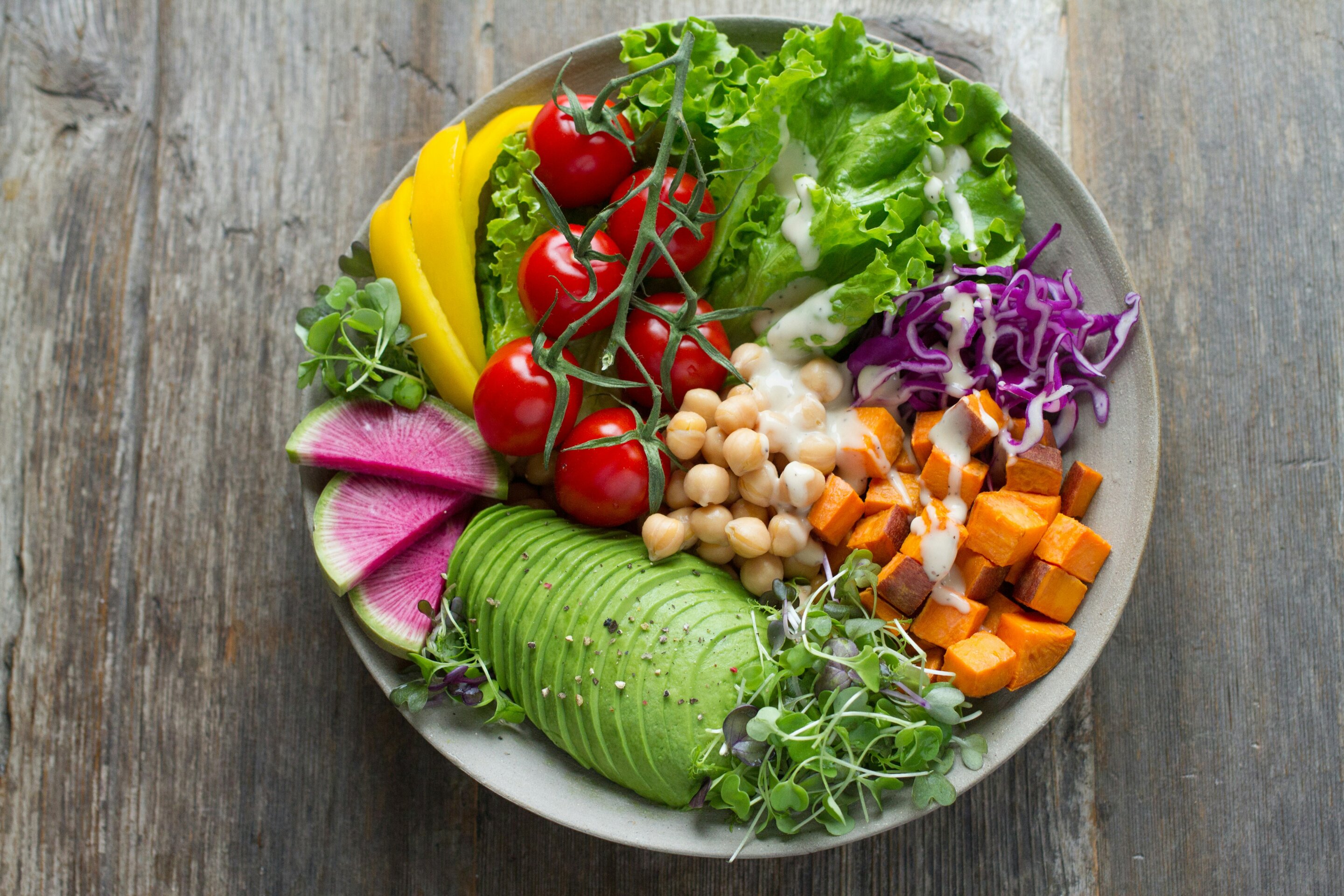
A recent study published in the American Journal of Lifestyle Medicine highlights the ambiguous meaning of "plant-based" among U.S. adults, indicating significant demographic differences in interpretation.
Read More
Dr. Anna Herby, a nutrition education specialist at the Physicians Committee for Responsible Medicine and a co-author of the study, noted that while the term has gained popularity, it lacks a clear definition. She stated, "The greatest benefits of a plant-based diet stem from completely avoiding animal products. As dietitians who promote this healthful dietary pattern, we wanted to understand how people interpret the terminology in order to more clearly communicate about it."
The study's findings revealed that 56% of respondents consider "plant-based" to mean vegan, or avoiding all animal products. Meanwhile, 35% interpreted it as consuming primarily plant foods while still including meat, dairy, and eggs. Approximately 7% of participants were unsure, and 2% offered different interpretations.
Interpretations also varied by age group; 63% of adults aged 65–94 identified "plant-based" with veganism, while only 51% of those aged 18 to 34 did.
The analysis was based on a survey of 2,202 U.S. adults conducted in July 2025 by Morning Consult, adhering to best practices for survey research. Shannon Menhardt, a co-author and registered dietitian at the Barnard Medical Center, suggested that defining "plant-based" as excluding all animal products could simplify food choices for consumers and enhance the clarity of dietary recommendations.
The study emphasizes the importance of a consistent definition for the term, which could aid in communication for health professionals, patients, and the media.