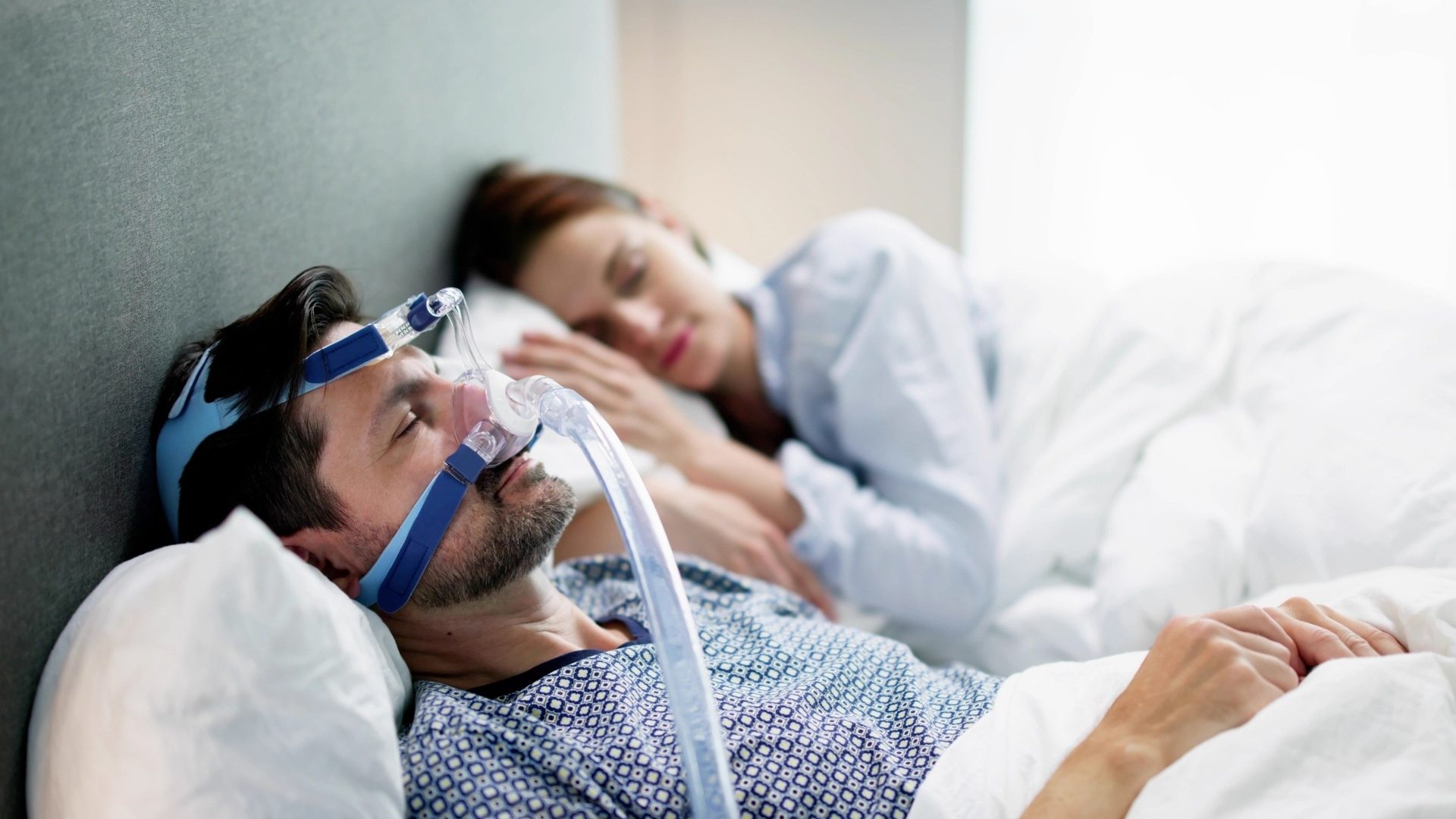
Recent research indicates that obstructive sleep apnea (OSA) is linked to significant declines in muscle quality, raising concern about its impact on strength, mobility, and long-term independence. While snoring is often dismissed as a minor annoyance, this study suggests it may be a warning sign of deeper health issues.
Read More
The study, led by Professor Ariel Tarasiuk at Ben-Gurion University of the Negev, found that individuals with sleep apnea exhibited lower muscle density and a different muscle profile compared to those without the condition. These findings were derived from routine chest and abdominal scans, which revealed hidden damage in muscle tissue not visible in standard assessments of breathing.
In obstructive sleep apnea, repeated airway collapse during sleep results in intermittent breathing pauses, which lower oxygen levels and disrupt sleep. This disruption can lead to stress on blood vessels and tissues, and while snoring is a clear symptom, the associated damage can be more subtle.
U.S. estimates suggest that approximately 32.4 percent of adults were affected by sleep apnea in 2024, highlighting the widespread nature of this health issue. The study emphasized that muscle quality can deteriorate even when muscle mass appears normal on scans, as infiltrating fat can indicate lower performance levels.
Routine scans such as computed tomography, which do not require additional appointments or radiation exposure, were utilized in the study. Among 209 participants, 134 met the criteria for sleep apnea, while 75 served as a control group. Analysis revealed that breathing interruptions correlated with lower muscle density and higher muscle area; however, age over 60 and body weight significantly influenced these results.
Earlier studies by Tarasiuk’s team also linked sleep apnea to lower bone density, pointing to a broader impact of the disorder beyond respiratory issues. Tarasiuk warned that without early diagnosis and treatment, sleep apnea can lead to fractures, reduced muscle function, and potential loss of independence.
For effective treatment, medical professionals must act before muscle quality declines significantly. Patterns observed in scans could prompt further evaluation, including sleep studies, strength assessments, and fall prevention strategies. Current treatment options typically include airway support during sleep, weight management, and dental devices, with potential for surgical intervention in certain cases.
Looking forward, integrating sleep data with imaging and medical histories could enhance early identification of high-risk patients. The study also noted the necessity for longer-term research to establish a causal relationship between sleep apnea and muscle or bone deterioration. Overall, this research underscores the importance of recognizing sleep apnea not just for its immediate symptoms, but also for broader risks to physical health. The study is published in the journal Sleep and Breathing.