Vitamin K is crucial for normal blood clotting and helps the liver activate proteins necessary to form clots, preventing excessive bleeding. Newborns are born with low levels of vitamin K, making them susceptible to vitamin K deficiency bleeding (VKDB), a rare but serious condition. This vulnerability arises because only minimal vitamin K crosses the placenta, and breast milk is low in vitamin K while the newborn gut has not developed the bacteria needed to produce it.
Read More
VKDB can occur anytime from birth until 6 months of age, with the most critical cases labeled as “late VKDB,” which happens between 1 week and 6 months. Late VKDB can involve internal bleeding that may not be immediately apparent, affecting organs such as the intestines or brain, with a fatality rate exceeding 20%. According to the CDC, infants who do not receive vitamin K at birth are 81 times more likely to develop late VKDB than those who do.
The American Academy of Pediatrics (AAP) recommends that all newborns over 1500 grams receive a 1 mg vitamin K injection within 6 hours of birth, with smaller preterm infants receiving a weight-based dosage. The AAP emphasizes that healthcare providers should adequately inform caregivers about the benefits of vitamin K and the risks associated with its refusal.
Despite these guidelines, recent data suggests that the non-receipt of vitamin K is rising in the United States. A national analysis indicated an increase in the percentage of infants without documented vitamin K injections from 2017 to 2024, with variations based on newborn sex and tendencies overlapping with refusals for other preventive care like hepatitis B vaccinations.
Utilizing data from Truveta, a large electronic health record database, researchers examined vitamin K administration among liveborn infants in the U.S. from January 2019 to June 2026. The study analyzed changes over time and differences based on the newborn’s sex and characteristics of the mother.
The analysis involved 1,026,375 infants born within the specified period. Among these, 995,628 received a vitamin K injection within a day of birth, translating to 97.0% documentation of administration. The study population included significant demographic details, such as maternal age and insurance status.
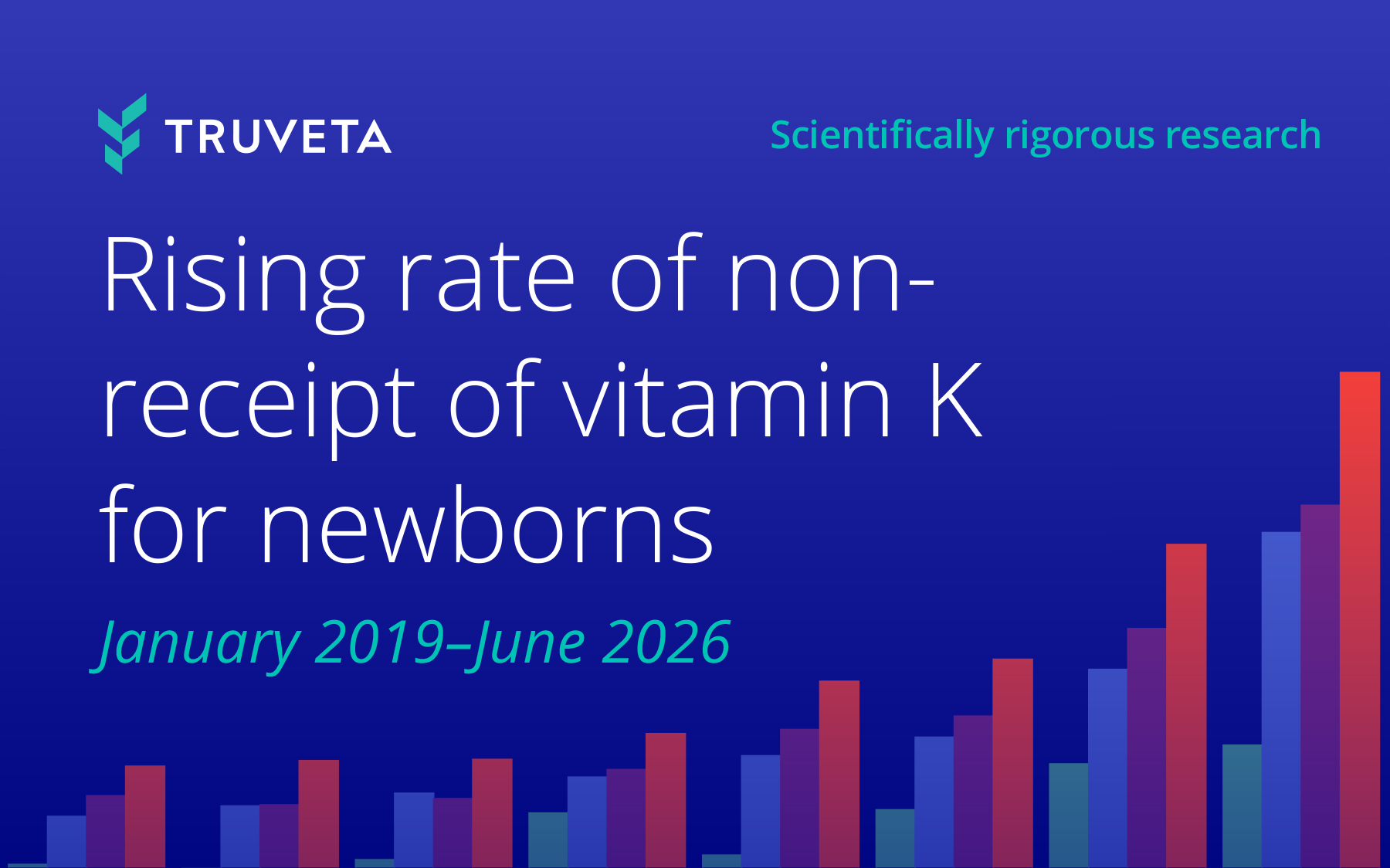
The overall rate of vitamin K non-receipt has been increasing, reaching 6.1% from January to June 2026. Specifically, the rate of non-receipt jumped from 5.2% to 8.1% over the course of six months in early 2026. Notably, the percentage of female newborns without documented vitamin K injection increased from 5.7% to 8.9%, and for males, from 4.6% to 7.3%.
Further analysis revealed that vitamin K non-receipt rates varied by maternal age, with the highest rates among mothers aged 40-49. Conversely, the lowest rates were observed among mothers aged 15-18.
The findings highlight a troubling trend, suggesting a rise in the number of newborns not receiving this critical injection. Factors influencing this increase may include parental attitudes, care practices, and misinformation regarding vitamin K.
Although most newborns still receive vitamin K, any increase in non-receipt can significantly impact public health. Past incidents have illustrated that refusals can lead to VKDB cases, highlighting the need for clear communication regarding the risks and benefits of vitamin K administration.
Limitations of the study include potential discrepancies in documentations of vitamin K administration. These findings provide valuable insights into current trends and stress the importance of continued monitoring and education regarding vitamin K to prevent avoidable health risks in newborns. The findings presented are preliminary and not yet peer-reviewed.