With the rise of dietary trends emphasizing both protein and fiber intake, understanding their respective roles in nutrition is crucial. Dietitians Dr. Linia Patel and Laura Tilt discuss the significance of these nutrients, their health benefits, and how they can complement each other.
Read More
Dr. Patel, a women's health dietitian and performance nutritionist, points out that both protein and fiber are essential. She emphasizes that nutrition is about dietary patterns rather than isolated nutrients. Evidence suggests that a balanced approach is vital for longevity and effective weight management.
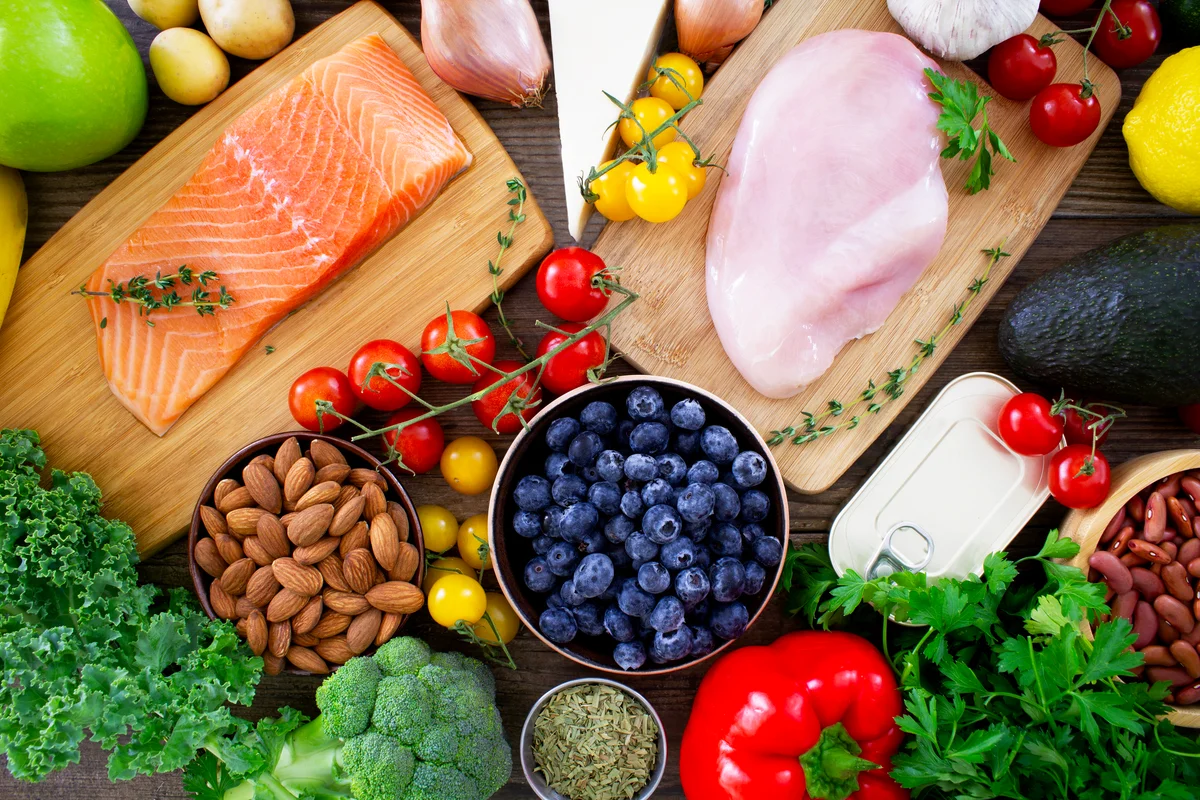
Protein consists of amino acids, some of which are essential and must be obtained through diet. High-protein foods include salmon, beef, chicken, chickpeas, and soybeans. Patel explains that protein is critical for preserving muscle mass, supporting immune function, and forming neurotransmitters.
In the UK, the recommended protein intake is approximately 0.75 grams per kilogram of body weight per day, though many people consume closer to 1.5 grams per kilogram. Patel notes that this variance can lead to confusion regarding protein needs. She advises against concentrating protein intake into a single meal and emphasizes the importance of distributing it evenly throughout the day to maintain balance with other nutrients.
Fibre, on the other hand, is classified as a type of carbohydrate found primarily in plant-based foods, and humans cannot fully digest it. Dr. Patel describes fiber as essential for feeding the gut microbiome, promoting the growth of beneficial bacteria. She likens proper fiber intake to providing sustenance for guests in a hotel, resulting in beneficial short-chain fatty acids that promote bodily health.
Tilt adds that fiber contributes to feelings of fullness, helps prevent constipation, and may reduce the risk of type 2 diabetes, heart disease, and bowel cancer.
The recommended daily intake of fiber is 30 grams, but most adults in the UK do not meet this target. Patel stresses the need for gradual increases in fiber consumption to allow the digestive system and gut bacteria to adapt, and also highlights the importance of hydration.
Foods rich in fiber include pulses, legumes, whole grains, nuts, seeds, fruits, and vegetables. Foods such as beans and lentils offer both protein and fiber, making them an excellent choice. Simple dietary adjustments, like blending beans into sauces or including lentils in dishes, can help achieve a balance of both nutrients.