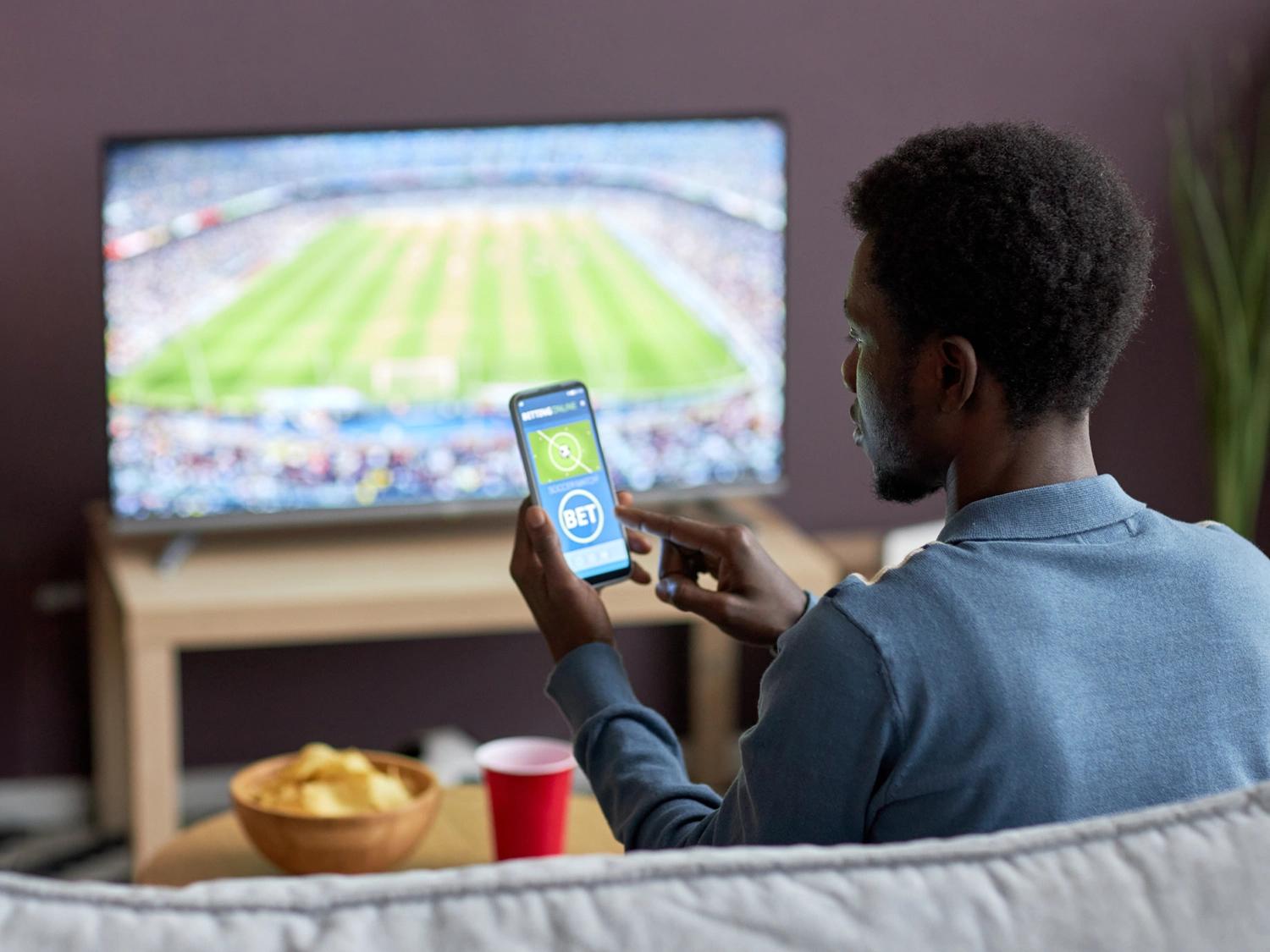
As the NFL season and college football commence, millions of Americans are placing bets on sporting events, raising concerns about gambling disorders. Dr. Nasir Naqvi, an addiction psychiatrist at NewYork-Presbyterian/Columbia University Irving Medical Center and director of the Columbia Gambling Disorder Clinic, indicates that the shift from casual betting to problematic gambling occurs when it begins to impact a person’s livelihood.
Read More
Gambling disorder is characterized by an uncontrollable urge to wager despite negative consequences, whether it involves sports betting, lottery games, or online gambling. Unlike substance use disorders, gambling does not lead to physiological dependence but instead involves a behavioral addiction where individuals develop a distorted sense of reality around the activity.
Factors contributing to gambling disorder include personal histories of trauma, familial patterns of addictive behavior, certain psychiatric conditions, and financial instability. A 2022 study by the National Council on Problem Gambling indicates that nearly two-thirds of adults engaged in some form of gambling before age 21.
Gambling stimulates the brain's dopamine system, creating cycles of unpredictability and reward that can lead individuals to believe they can eventually win after a loss. This behavior can become problematic as individuals chase losses rather than curtailing their activity.
Signs of gambling disorder include spending excessive time gambling, incurring debt due to gambling, or using betting as an escape from personal issues. Behavioral symptoms such as covering up financial losses or increased irritability are important to recognize but should be assessed carefully, as they do not solely indicate a disorder.
Diagnosis typically occurs through feedback from loved ones followed by a clinical examination based on established criteria. Treatment often involves counseling methods like cognitive behavioral therapy, group therapy, and sometimes medication, with family involvement being beneficial in supporting recovery.
Dr. Naqvi stresses that gambling disorder should be viewed as a medical condition rather than a personal failure. The rise of online and mobile betting has made gambling more accessible than ever, which can exacerbate the issue as individuals can bet in real-time while engaging with sports events. While many hope to moderate their gambling, the ultimate goal for treatment is complete abstinence.
For those in need of help, resources such as the Columbia Gambling Disorder Clinic and New York State HOPEline at 1-877-8HOPENY are available.