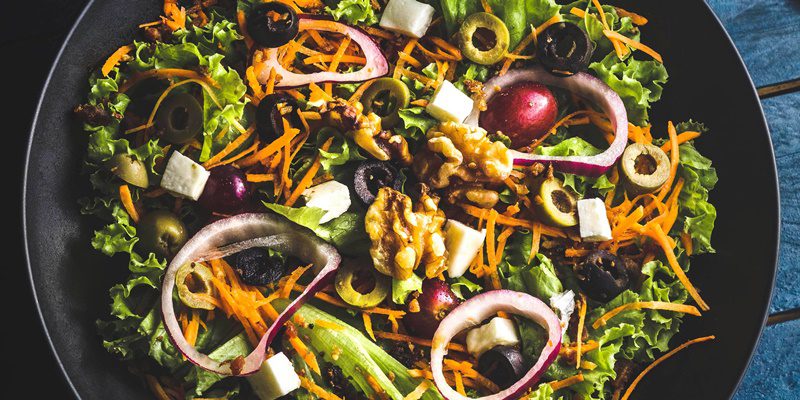
A new nutrition trend called "Fibermaxxing" has gained popularity on social media in April 2023, emphasizing the consumption of high volumes of whole-food fiber to enhance gut microbiome diversity and improve metabolic health. This movement marks a shift from calorie-counting diets to a focus on nutrient density, encouraging individuals to surpass the recommended fiber intake of 25 to 38 grams per day.
Read More
Proponents often aim to incorporate a wide variety of fiber sources such as chia seeds, beans, and a range of different plants, promoting at least 30 different plant types per week. This approach aligns with emerging research that highlights the role of fiber fermentation in producing short-chain fatty acids, which are beneficial for gut health.
Clinical experts emphasize that while fiber is essential, it is crucial to increase intake gradually to prevent gastrointestinal discomfort. They also note that patients with irritable bowel syndrome might require a more personalized approach since high fiber intake can exacerbate symptoms. Furthermore, the trend sheds light on the so-called fiber gap, as approximately 95 percent of Americans do not meet minimum fiber intake recommendations.
As public interest in the ingredient grows, nutrition experts are likely to focus on educating individuals about the different types of fiber—soluble versus insoluble—and their respective impacts on metabolic health. Additionally, considerations around socioeconomic factors that limit access to high-fiber foods are expected to play a significant role in discussions about sustainable dietary changes. Ultimately, regardless of its longevity, this trend has ignited broader conversations surrounding preventive nutrition and the importance of gut health.