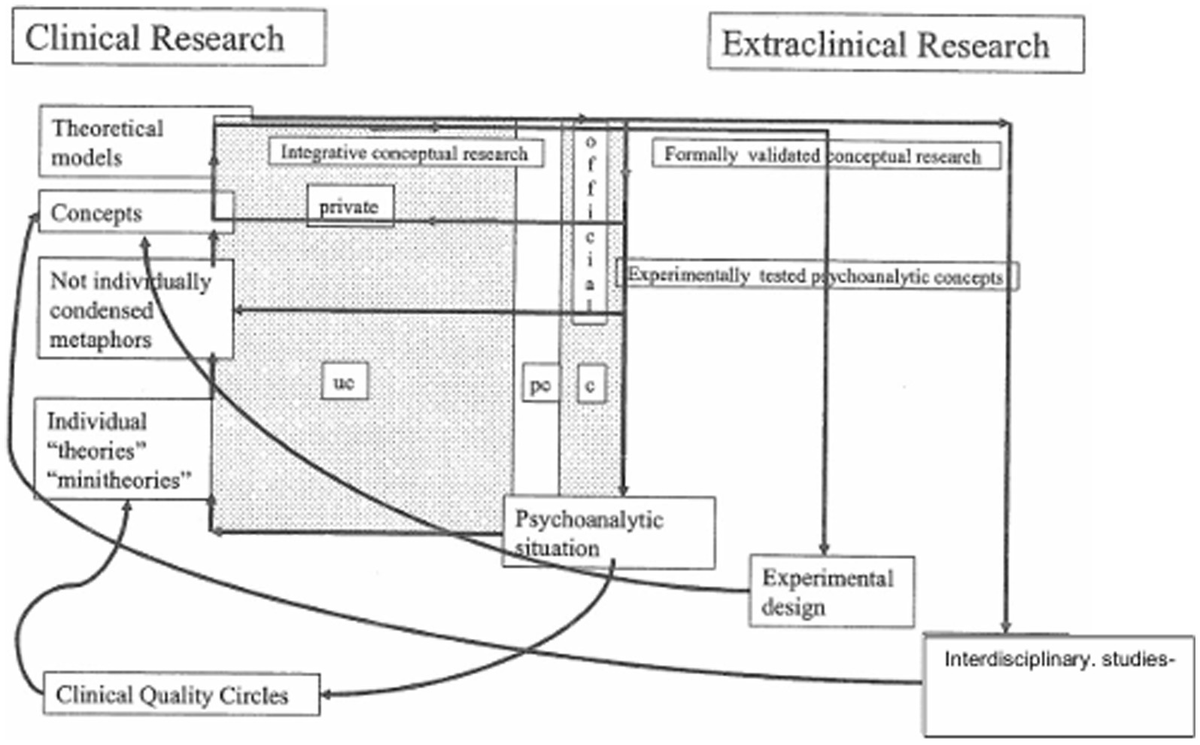
Psychoanalysis, traditionally focused on unconscious processes, has evolved amidst a growing plurality of scientific methods and theories. This transformation is exemplified through two significant multi-center studies: the LAC Depression Study and the ongoing MODE study. These initiatives showcase diverse research methodologies including clinical-psychoanalytic, empirical, and interdisciplinary approaches. A graphic representation in the studies presents a synergistic combination of these varied methods.
Read More
Contemporary psychoanalysis contends with public perceptions that equate it to religious belief rather than a legitimate scientific discipline. This misunderstanding suggests psychoanalysis operates without empirical evaluation, a notion that Freud himself would refute as he defined it as a science despite its unique challenges, such as studying unconscious fantasies and emotional conflicts. Despite historical prejudices, many psychoanalysts have pursued empirical evaluations of their treatments from the onset of the discipline.
The Sigmund Freud Institute (SFI), where I served as director from 2001 to 2016, represents a crucial part of this development. The SFI was established in post-war Germany reflecting a need for reparative justice for psychoanalysis, which faced near obliteration under the Nazis. The institute underwent a crisis in 2003, facing closure, but through community effort, it reestablished itself within the scientific landscape, marking a shift towards empirical psychoanalytic research.
The LAC study emerged from health policy discussions mandating empirical evaluations of psychoanalysis. This study compared the long-term outcomes of psychoanalytic and cognitive-behavioral therapies for chronic depression, revealing significant symptom reductions in both treatment groups with no statistically significant differences in effectiveness after three years. Notably, 45% of patients experienced full remission after this duration, surpassing outcomes from other studies.
The ongoing MODE study builds on these findings, delving deeper into the impact of therapy frequency on outcomes for patients with a history of childhood trauma. This study incorporates brain imaging techniques alongside psychoanalytic methods to investigate both psychological and neurobiological changes, aiming to provide a comprehensive understanding of therapeutic processes.
The confluence of clinical and empirical research illustrates the commitment to a diverse scientific identity within contemporary psychoanalysis. Psychoanalysts are increasingly engaging across disciplines, collaborating with experts in medicine, psychiatry, and neuroscience, rather than retreating from them. This dynamism fosters innovative methodological approaches while enriching the practice itself.
As psychoanalysis seeks to affirm its place in the scientific community, it continues to navigate the complexities of evolving societal expectations and trust in science. By fostering interdisciplinary dialogue, psychoanalysis stands not only to benefit its own practice but also to contribute meaningfully to the wider scientific understanding of human psychology.