Recent research indicates that consumer smartwatches, specifically the Samsung Galaxy Watch, can effectively identify adults with moderate-to-severe obstructive sleep apnea, a common yet often undiagnosed sleep disorder.
Read More
The study, published on August 27 in the Journal of Clinical Sleep Medicine, found that the smartwatch accurately detected moderate-to-severe obstructive sleep apnea in adults aged 22 and older with a 94% accuracy rate. The device exhibited 94% sensitivity and 67% specificity at its default settings, and achieved 100% sensitivity and specificity among individuals classified as high-risk due to elevated hypoxic burden, a marker of low blood oxygen saturation.
Principal investigator Dr. Robson Capasso, a professor of otolaryngology at Stanford University, stated, "Our findings show that consumer smartwatches can make sleep apnea screening more accessible by identifying people at risk for moderate-to-severe obstructive sleep apnea. These devices are not diagnostic, but by integrating validated screening into a device that people wear every night, we may identify risk earlier and streamline access to established therapies like positive airway pressure and weight management."
Obstructive sleep apnea involves repeated interruptions of breathing during sleep due to upper airway blockages and is associated with severe health risks, including stroke, heart attacks, and motor vehicle accidents, according to the American Academy of Sleep Medicine.
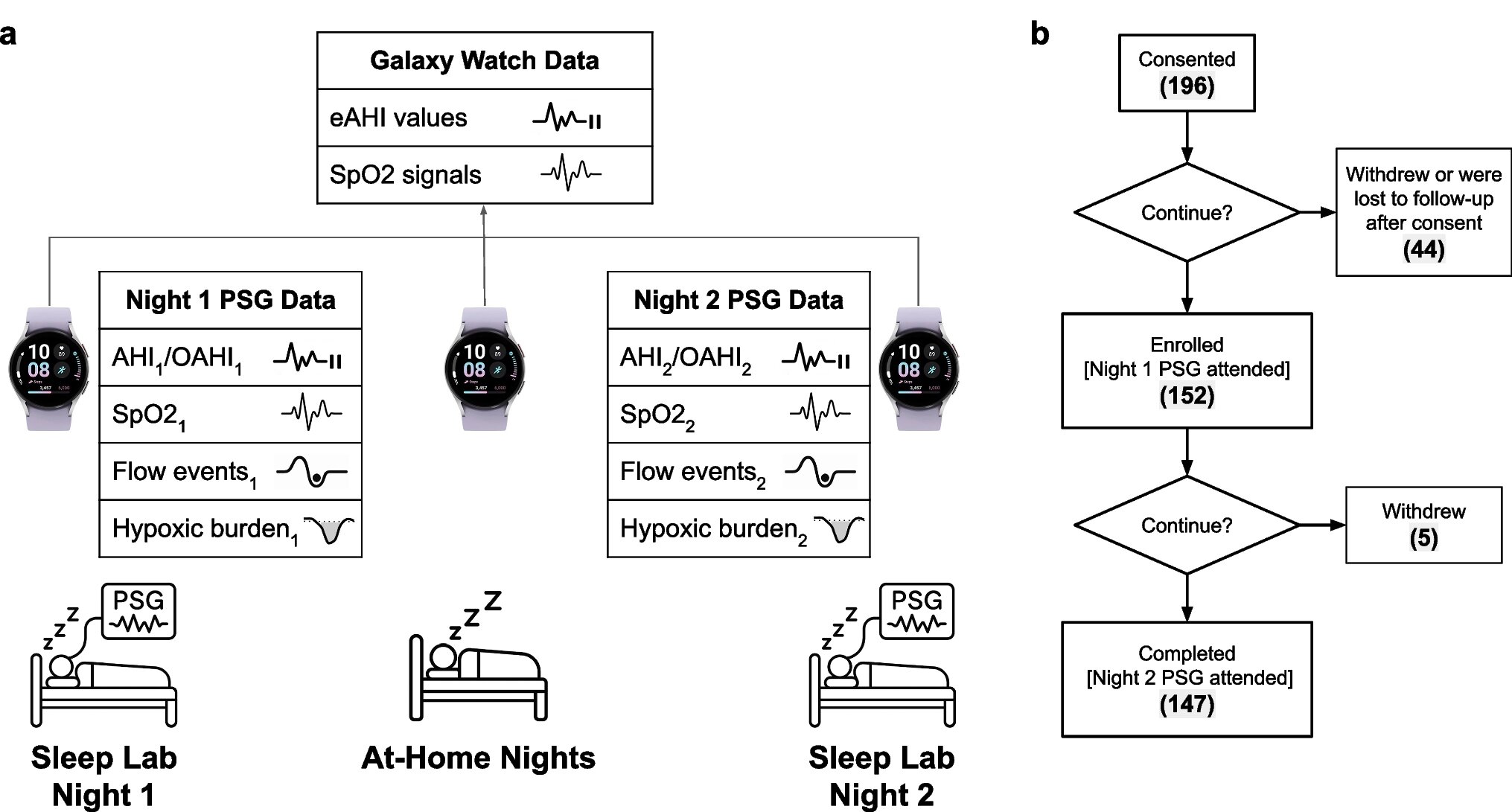
The study involved 147 adults with an average age of 54, all of whom either previously had a diagnosis of moderate-to-severe sleep apnea or were deemed likely to have it. Participants wore the Galaxy Watch 6 during sleep studies at the Stanford Health Care Sleep Medicine Center and at home over several nights. The smartwatch's tracking feature was compared against results from traditional overnight sleep studies.
Lead author Arash Alavi emphasized that the smartwatch was rigorously validated across multiple nights and various sleep apnea measures, including apnea-hypopnea index and hypoxic burden, which is essential for any clinical screening tool.
The findings suggest that wearables could assist in identifying individuals who may require formal diagnostic testing. Those showing symptoms of sleep apnea, such as habitual snoring or choking during sleep, are encouraged to consult with a healthcare professional or an AASM-accredited sleep center.