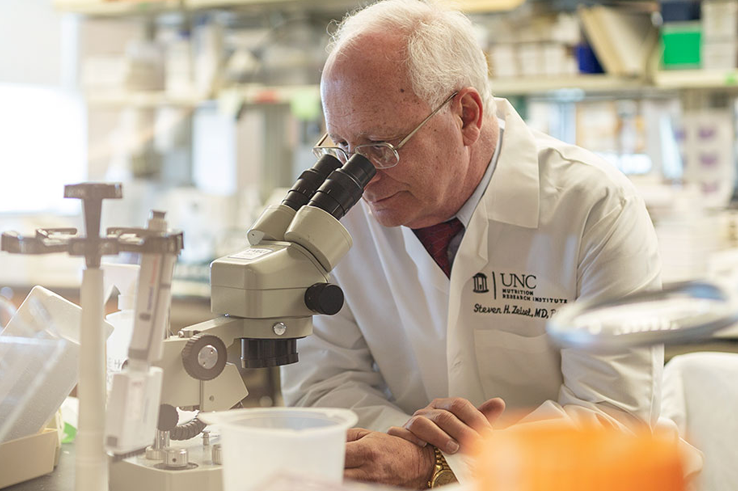
On September 18, 2026, the UNC Gillings School of Global Public Health announced that it has been awarded $5.8 million by the National Institutes of Health (NIH) to renew funding for the Nutrition Obesity Research Center (NORC) through 2031. This renewal marks the sixth time the NIH has supported the center, which has been operating since its establishment in 1999, focusing on nutritional sciences and obesity research.
Read More
The UNC NORC has been pivotal in promoting nutrition and obesity research not only at the university but also throughout the Southeastern United States, where such chronic diseases significantly affect public health. The center collaborates with clinicians, public health researchers, basic and behavioral scientists, united in their aim to advance research in nutrition and obesity at various life stages.
Dr. Elizabeth Mayer-Davis, the director of UNC NORC and a distinguished professor, remarked on the significance of the renewal, highlighting the center's growth into a nationally recognized resource. She expressed pride in the collective achievements of the center's investigators, staff, and collaborators.
Under the leadership of co-directors Mayer-Davis and Saame “Raz” Shaikh, professor and chair of the Department of Nutrition, the center demonstrated its robust profile in securing funding, with ongoing operations managed by Ashley Irwin, MPH, RD, the managing director of UNC NORC.
Shaikh described the renewal as a testament to the center’s accomplishments and an investment in the ongoing future of nutrition and obesity research at UNC. He acknowledged Mayer-Davis’s leadership in the successful renewal application process.
Deborah Tate, a professor of nutrition and health behavior, will join Shaikh as co-principal investigator. Tate oversees the Clinical and Community Human Assessment and Intervention (CHAI) Core and directs the UNC Nutrition Research Institute in Kannapolis, known for its precision nutrition research.
Tate emphasized the strength of NORC lies in its approach of integrating diverse expertise to address complex challenges in nutrition and obesity. Looking ahead, she anticipates enhancing the partnership between Chapel Hill and the NRI to accelerate advancements in precision nutrition while supporting new researchers.
The renewed center will continue exploring scientific themes aligned with both NIH priorities and UNC’s strengths in nutrition science. Research will focus on precision nutrition, which examines individual responses to dietary changes, and lifespan nutrition, analyzing the effects of nutrition from infancy to older adulthood.
UNC NORC features three specialized research cores: the CHAI Core, the Metabolomics and Proteomics (MAP) Core, and the Genomics and Energy Metabolism (GEM) Core. These cores provide essential resources and technologies for addressing pressing nutrition and obesity-related health issues. In the upcoming cycle, the NORC community aims to refine services related to nutrition and obesity, particularly incorporating advanced methodologies such as artificial intelligence.
Additionally, the NORC Pilot and Feasibility (P&F) Program has funded over $3.3 million for 86 investigators from 31 departments since 1999, leading to more than $85 million in external funding for pilot projects. In the last decade, the NORC has contributed nearly $1 million in pilot funding, resulting in over $22 million in extramural grants.
The NORC Enrichment Program also fosters scientific collaboration, mentorship, and education, offering seminars, research symposiums, and development programs. As NORC begins its new funding cycle, leadership is dedicated to enhancing discoveries in nutrition and obesity science while promoting research at all career stages.
Further details about the center and its initiatives can be found on their website at norc.unc.edu.