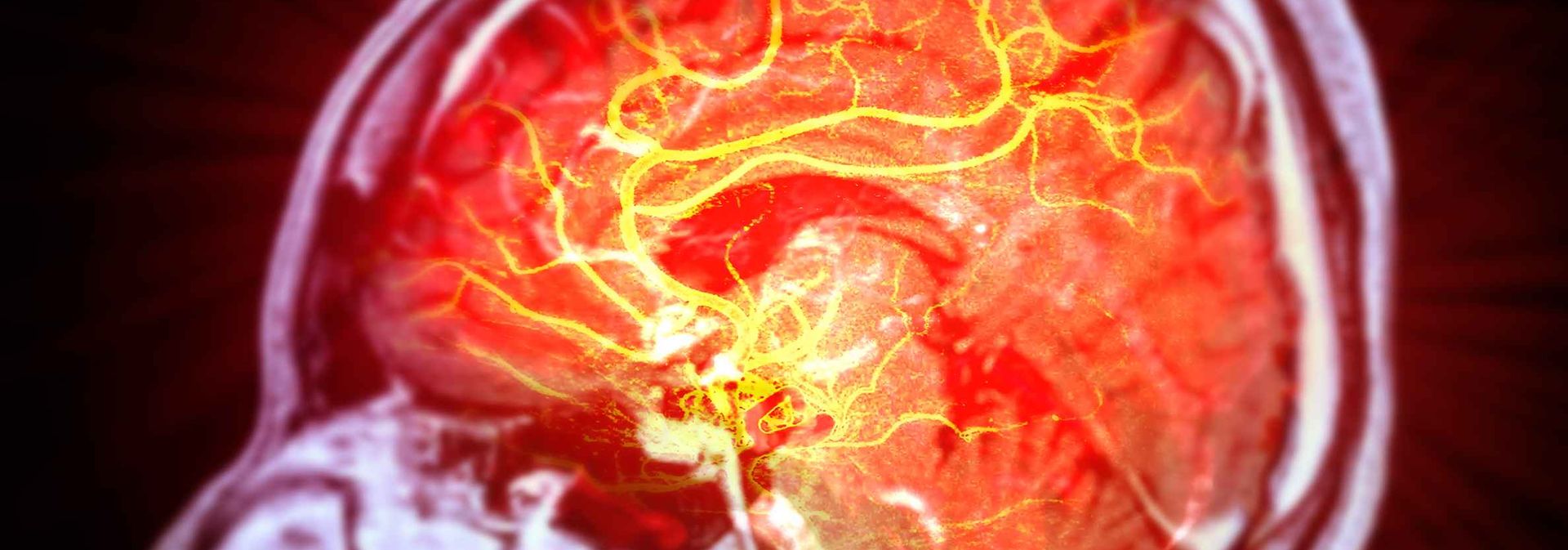
A recent study from researchers at the University of Rochester Medicine has found that reinforcing circadian rhythms can enhance recovery after a stroke in mouse models. The study published in the Journal of Clinical Investigation highlights the role of the body's internal clock in healing following brain injuries.
Read More
The research revealed that interventions aimed at strengthening circadian rhythms led to improved functioning of the glymphatic system, which is essential for clearing waste from the brain, and resulted in reduced inflammation. Techniques such as time-restricted feeding and the use of a clock-targeting drug improved glymphatic clearance, motor recovery, and decreased inflammatory markers.
Neuroscientist Maiken Nedergaard, who discovered the glymphatic system in 2012, has emphasized the importance of this system in maintaining brain health and its heightened activity during sleep. Collaborating with Lauren Hablitz, researchers established in a 2020 study that the glymphatic system functions according to circadian rhythms, indicating a direct relationship between the brain's waste management and the body's biological clock.
Hablitz noted that stroke is not solely a vascular event but is also affected by timing, as strokes commonly occur in the morning and are often more severe at the end of sleep. Disruptions in sleep patterns following a stroke are linked to poorer recovery and quality of life, prompting the researchers to explore the potential benefits of reinforcing biological clocks to aid recovery.
In their experiments, they tested various interventions including timed light exposure, melatonin, and KL001, alongside time-restricted feeding, on the glymphatic system in healthy mice before applying the most effective methods to stroke models. These treatments were administered three days post-stroke, beyond the conventional acute treatment window. Notably, the results showed improved motor recovery, reduced lesion sizes, and enhanced glymphatic flow despite the delay in initiation of treatment.
The findings suggest that the clearing mechanism for inflammatory signals could be improved rather than specifically targeting one pathway, leading to better overall recovery outcomes.
The behavioral intervention of time-restricted feeding, in particular, offers promising insights for practical applications in stroke rehabilitation, potentially benefiting patients in both clinical and home settings.
While the study's results are still preliminary and based on animal models, researchers aim to further investigate the interaction between circadian rhythms, glymphatic function, and inflammation. Future efforts will focus on the potential for clinical trials and the broader implications for enhancing recovery in various neurological disorders characterized by impaired waste clearance and inflammation. Hablitz concluded that understanding the relationship between circadian regulation and glymphatic clearance could pave the way for targeted therapies to promote brain health and recovery.