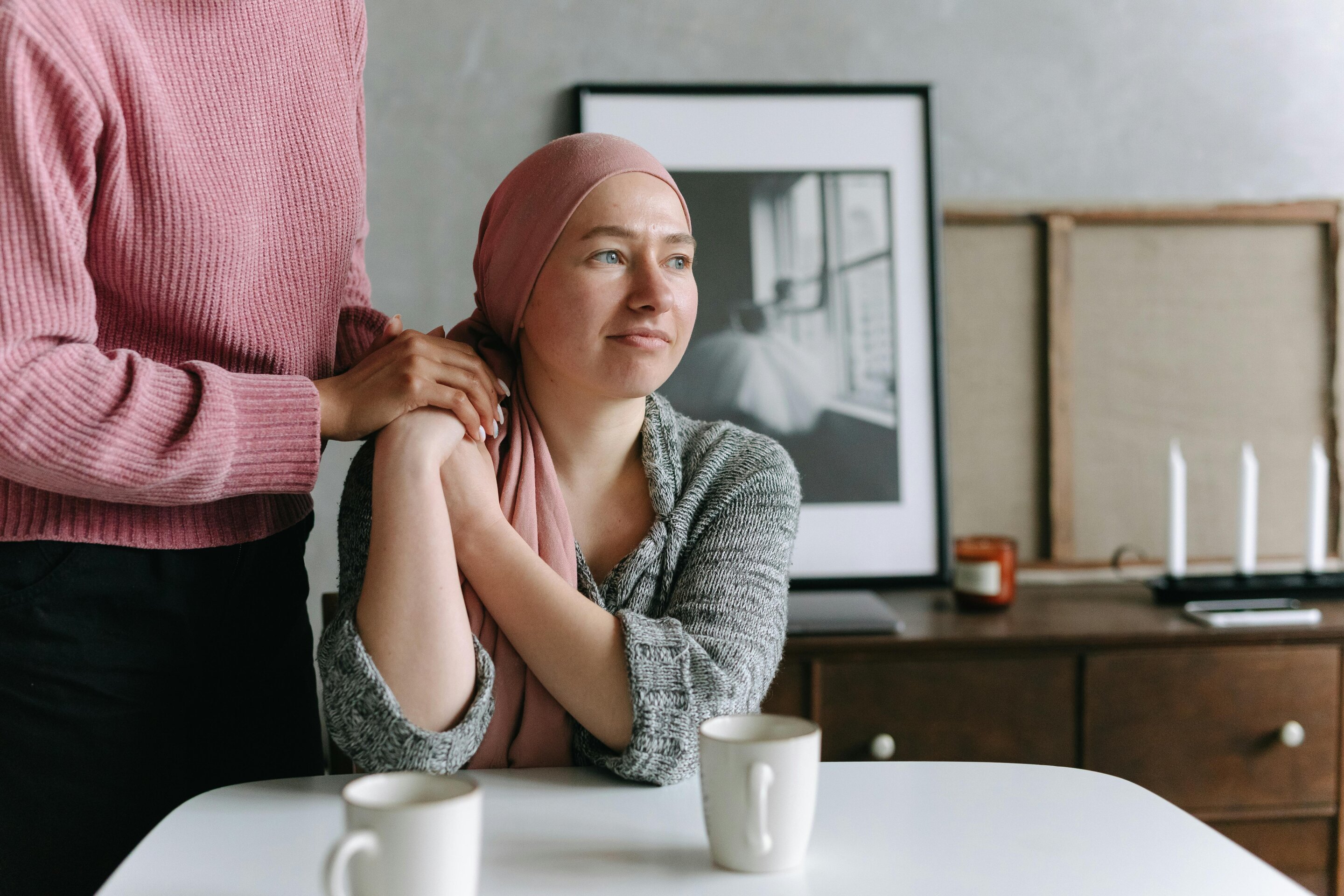
A study analyzing data from over 265,000 adults diagnosed with six common cancers has found that depression significantly impacts cancer outcomes. Patients with major depressive disorder experienced a higher cancer-specific mortality rate, while those who received psychotherapy within four weeks of diagnosis had a 21% lower risk of dying from cancer. However, only 3% of depressed patients accessed psychotherapy in that early window.
Read More
The findings were presented at the American Society for Radiation Oncology (ASTRO) Annual Meeting. Lead author Dr. Edmund M. Qiao, a radiation oncology resident at the University of California San Diego, emphasized the challenge of identifying depression in cancer patients, as its symptoms often overlap with cancer and its treatments. He noted that untreated depression can complicate care when patients need support the most. He advocates for earlier screening and referral to psychotherapy to bridge gaps in cancer care.
The retrospective study involved a cohort of 265,639 Medicare beneficiaries aged 66 or older diagnosed between 2010 and 2017 with breast, colorectal, prostate, bladder, kidney, or non-small cell lung cancer (NSCLC). Among these patients, 22% were also diagnosed with major depressive disorder. The study evaluated two common treatment approaches for depression: psychotherapy and antidepressant medications, focusing on interventions within four weeks of cancer diagnosis as well as at eight and 12 weeks.
Results showed that cancer patients with depression had an 11% higher risk of cancer-specific mortality. One year post-diagnosis, 29% of patients with depression had died from their cancer compared to 21% of those without depression. This disparity increased over five years, with cancer-specific mortality at 43% for depressed patients and 35% for those without.
Notably, patients who received psychotherapy shortly after diagnosis had significantly better outcomes. Those treated within four weeks had a 21% lower risk of mortality, compared to reductions of 13% and 12% at eight and 12 weeks, respectively. Five-year cancer-specific mortality was 31% for patients who received psychotherapy and 44% for those who did not.
Conversely, antidepressant medication was used by 32.5% of patients within four weeks but did not show a correlation with lower cancer mortality at any measured time point in the cohort. Depression rates varied among cancer types, being most prevalent in NSCLC patients (27%) and least in those with prostate cancer (13%), with significant mortality associations present across all cancer groups.
Qiao acknowledged that managing depression in cancer care requires a nuanced understanding of how individual cancer types and treatment paths affect mental health needs. The retrospective nature of the study limits its ability to conclusively tie psychotherapy to reduced cancer mortality, and future research should explore these patterns in younger populations as well.
Dr. Fumiko Chino, a radiation oncologist at The University of Texas MD Anderson Cancer Center, highlighted the importance of timely mental health interventions, noting that psychotherapy may be underutilized compared to medication despite its potential benefits. Personalized screening and referral for mental health care are vital components of comprehensive oncology care.