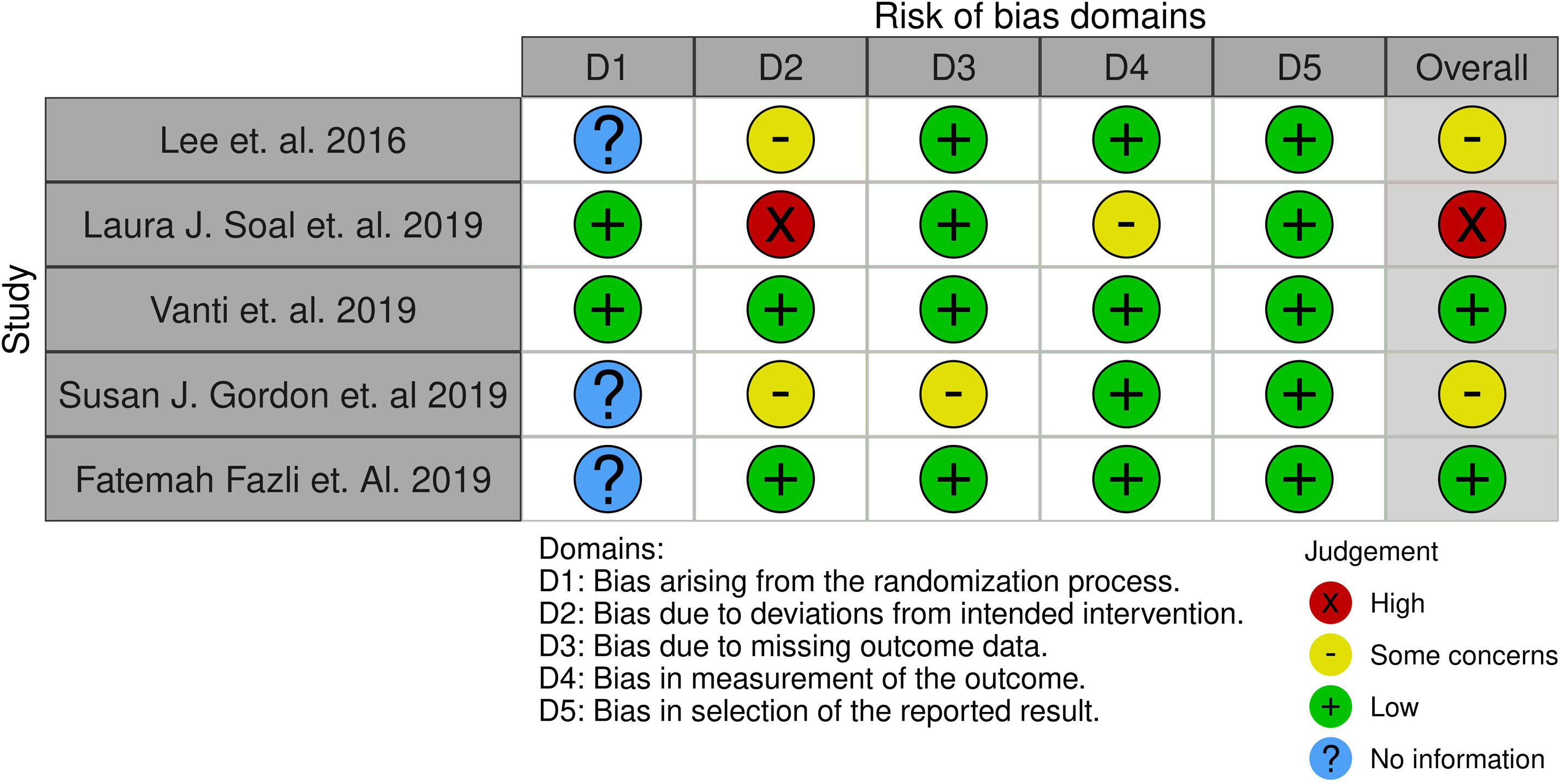
Chronic neck pain significantly affects physical function and sleep quality. Correct pillow use may aid spinal alignment, reduce muscle strain, and enhance sleep quality. This systematic review investigates the impact of various pillow characteristics on alleviating pain, disability, and sleep disturbances in individuals with chronic neck pain. A thorough literature search was conducted across databases including PubMed, Scopus, PEDro, and the Cochrane Library for interventional studies published from 2015 to June 2024. Following PRISMA guidelines, methodological quality was assessed using the PEDro scale, GRADE system, risk of bias tool, and level of evidence criteria. Out of 29,091 screened records, five studies involving 239 participants met inclusion criteria. Outcome measures comprised the Visual Analogue Scale (VAS), Numerical Pain Rating Scale (NPRS), Neck Disability Index (NDI), and Pittsburgh Sleep Quality Index (PSQI). Minor improvements were noted in NPRS scores (p>0.05), results for NDI were inconsistent, and PSQI differences were not statistically significant. Variability in study designs, outcome measures, and pillow types limits definitive conclusions. Nonetheless, limited evidence supports the use of specific pillows as supplementary treatment for chronic neck pain, with no specific type (latex, foam, or standard) showing clear superiority. Further high-quality randomized controlled trials (RCTs) are necessary to establish definitive clinical recommendations.
Read More
Chronic neck pain (CNP) lasts more than three months and can cause significant discomfort, with a prevalence rate of 30–50% in developed countries, often more common among women. The condition incurs substantial social and economic costs, particularly for cases that progress to the chronic stage. CNP's causes are multifactorial, including structural, ergonomic, personal, and psychosocial factors, often leading to disrupted sleep, which aggravates pain perception and management.
Approximately 40% of individuals with neck pain report getting less than 4 hours of sleep daily, primarily influenced by sleep posture and pillow choice. Selecting an appropriate pillow could help improve cervical spine support and reduce strain. Cervical pillows are designed to maintain cervical lordosis, assisting with muscle relaxation and reducing pain. Various pillow designs claim to optimize spinal alignment, yet evidence regarding their effectiveness remains inconclusive.
The review protocol was registered with PROSPERO on July 25, 2024, under ID CRD42024555978. The search spanned from 2015 to June 2024 using precise keywords related to pillow characteristics, neck pain, disability, and sleep quality. Inclusion criteria focused on interventional studies involving adults with chronic neck pain. Non-English publications, observational studies, and articles lacking sufficient data were excluded to maintain relevance and rigor.
Five studies met the criteria, featuring diverse pillow types and interventions, including viscoelastic memory foam and ergonomic designs. The studies indicated that while some pillows showed promise in pain relief and disability reduction, the effects on sleep quality were less consistent. For instance, studies by Lee et al. and Soal et al. demonstrated significant pain and disability improvements with functional and support-oriented pillows, respectively. However, other studies highlighted that neither latex nor polyester pillows significantly outperformed regular pillows regarding overall outcomes.
This review emphasizes the need for more rigorous RCTs to clarify the effectiveness of specific pillow types in chronic neck pain management, given the variability in current findings. Future studies should focus on long-term effects, standardized methodologies, and comprehensive outcome measures.