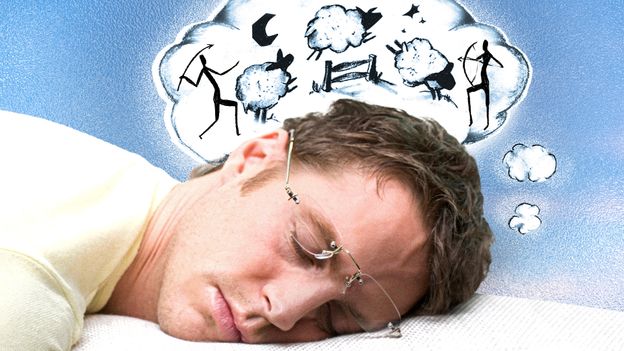
Research into the sleep patterns of hunter-gatherer societies offers valuable insights for improving sleep in modern life. Studies show that these communities, which provide a glimpse into human sleeping habits throughout most of our evolutionary history, typically report few sleep problems. Sleep scientist Jerome Siegel from UCLA, who has examined groups such as the Hadza in Tanzania, the Tsimane in Bolivia, and the San in Namibia, notes that when asked about sleep difficulties, members of these societies often struggle to grasp the concept.
Read More
A major takeaway from these communities is their natural alignment with environmental cues, particularly light and temperature. Unlike industrialized societies, where people are often exposed to artificial light at night, hunter-gatherers experience a natural ebb and flow of light and darkness. David Samson, director at the University of Toronto's Sleep and Human Evolution Lab, emphasizes the importance of sunlight exposure soon after waking to help regulate circadian rhythms.
Temperature also plays a significant role in sleep patterns. Siegel observes that hunter-gatherers tend to sleep shortly after sunset and wake before sunrise, aligning their sleep with temperature fluctuations throughout the night. In contrast, modern living often maintains consistent indoor temperatures, which may disrupt natural sleep cycles. Adjusting thermostats to lower temperatures before bedtime could help mimic these natural conditions.
Evening routines in foraging societies often differ vastly from those in industrialized settings. Instead of immediately going to bed after dark, these groups participate in communal, relaxing activities such as storytelling and gathering, contributing to a calming pre-sleep atmosphere. Anthropologist Alyssa Crittenden highlights the significance of these social interactions as a form of support and cohesion, which can foster a sense of security and better sleep.
Finally, experts advise against striving for perfect sleep patterns. Many people in traditional societies sleep less and wake more frequently, and according to evolutionary anthropologist Gandhi Yetish, the pursuit of eight uninterrupted hours is often unrealistic. He suggests that humans should appreciate the natural variations in sleep, as just like eating, sleep needs can fluctuate and do not have to be the same every night. Recognizing this variability can alleviate anxiety around sleep and lead to better rest overall.