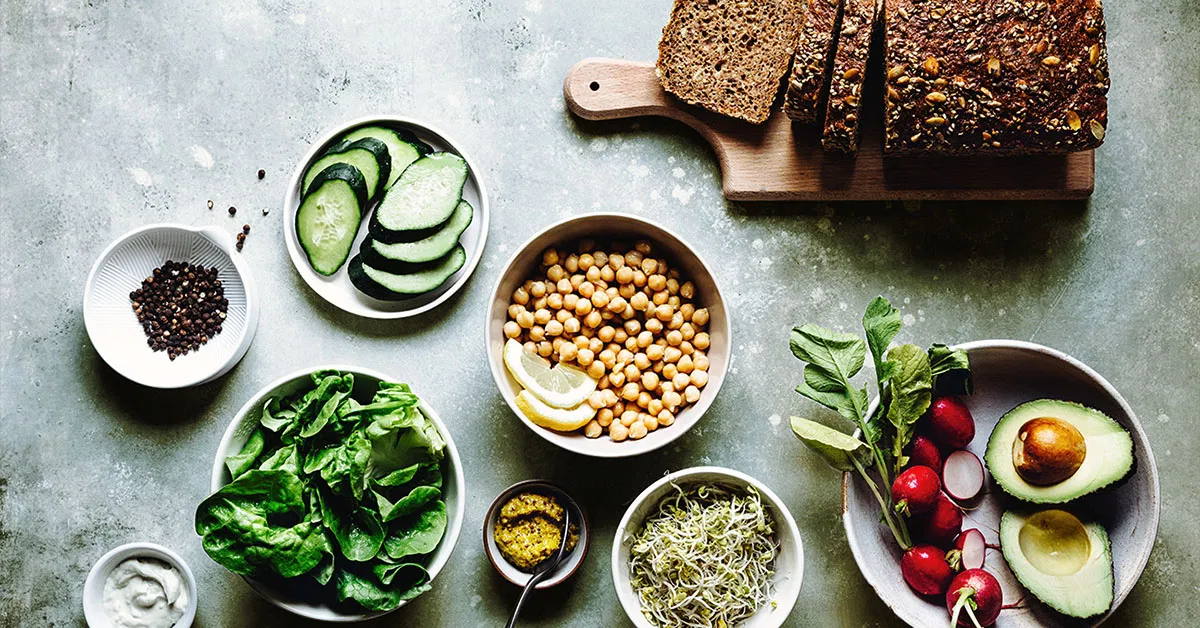
Research indicates that dietary patterns rich in whole, plant-based foods and low in added sugars can enhance longevity. A recent study found that closely following such diets could extend life expectancy by 1.5 to 3.0 years, irrespective of one's genetic predisposition to a shorter lifespan.
Read More
The study, led by researchers at the University of Science and Technology in China, analyzed data from over 100,000 participants in the UK Biobank, a comprehensive long-term health database. Over a decade, the research team evaluated how closely participants adhered to five established healthy eating patterns and their correlation with life expectancy.
The five dietary patterns examined were the Mediterranean diet, the Diabetes Risk Reduction Diet (DRRD), the DASH diet, a plant-based diet, and the Alternative Healthy Eating Index (AHEI). Researchers found that individuals adhering to these diets were estimated to live several years longer compared to those with less healthy eating habits.
Specifically, the estimated additional years of life gained were as follows: approximately 2.2 years for men and 2.3 for women on the Mediterranean diet; about 3 years for men and 1.8 for women on the DRRD; roughly 2.3 years for men and 1.6 for women on the DASH diet; about 1.9 years for men and 1.5 for women on the plant-based diet; and close to 2.4 years for men and 1.9 for women on the AHEI.
Key components of these diets, such as whole grains, fruits, and vegetables, were particularly significant in promoting longevity. Higher intake of dietary fiber was associated with a reduced risk of all-cause mortality, while consumption of sugar-sweetened beverages correlated with increased mortality risk. Liangkai Chen, a study author, emphasized the importance of balancing whole, plant-based food intake while minimizing sugary drinks.
Notably, the study's findings suggested that diet quality positively influenced longevity independent of genetic likelihood of living shorter lives. This finding highlights the impact lifestyle choices can have on health outcomes.
Experts recommend adopting dietary habits that are sustainable and culturally appropriate. Incremental changes such as increasing whole plant food intake and reducing processed items can be effective long-term strategies. Chen advised that the best dietary pattern is one that individuals can consistently adhere to, and Routhenstein underscored the importance of gradual changes in diet to support longevity.
While this study was observational and cannot definitively establish cause and effect, it contributes to a growing body of evidence linking diet quality to overall health and mortality risk. A comprehensive approach to longevity should also consider regular exercise, adequate sleep, and avoidance of tobacco and excessive alcohol.