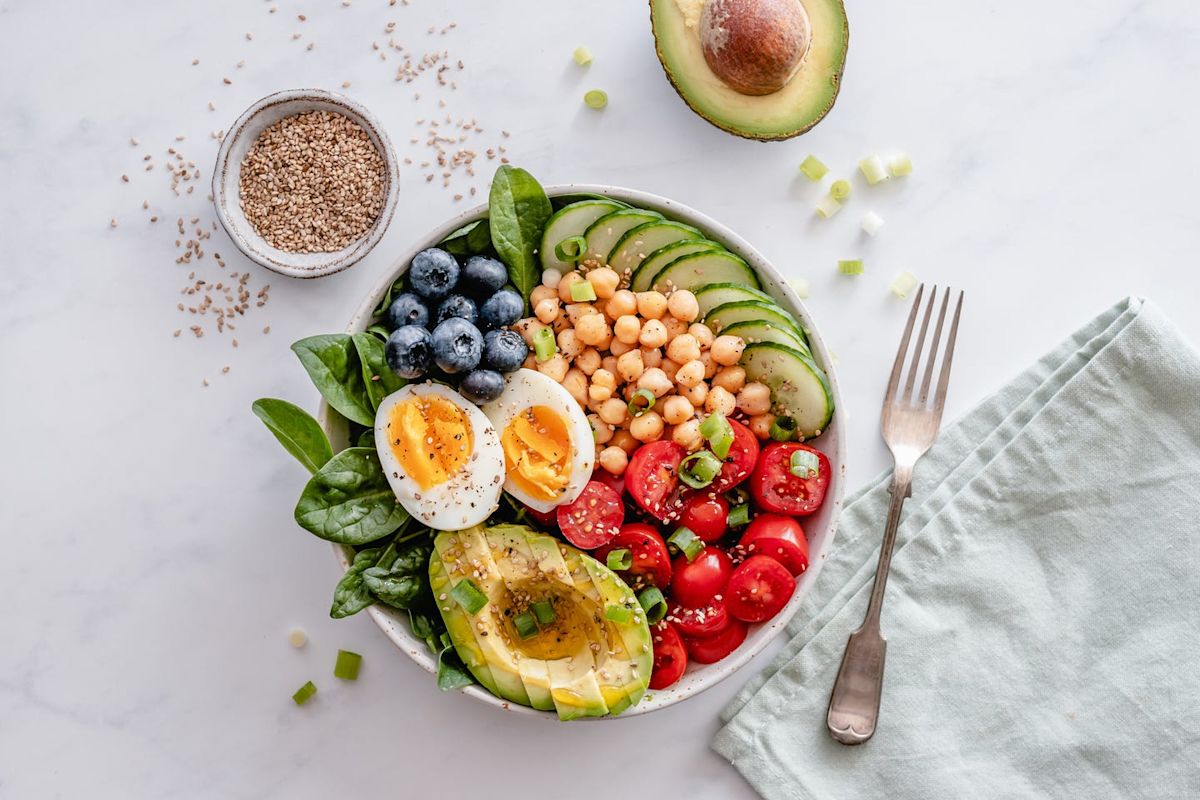
Protein remains a widely discussed topic among nutritionists and influencers, recognized for its vital role in overall health and bodily functions. Jaclyn London, M.S., R.D., C.D.N., a registered dietitian from New York City, notes that protein is crucial for muscle, skin, bones, and various biochemical processes in the body, including hormone regulation. As people age, maintaining adequate protein intake becomes increasingly important to preserve muscle mass and bone density, which helps prevent falls and fractures.
Read More
London advises against overloading on protein and emphasizes a balanced approach. She suggests incorporating a source of protein with every meal and snack, which can help meet protein needs without the stress of extreme dietary restrictions. According to London, packaged foods containing 20% or more of the daily value for protein are considered high in protein, offering a useful guideline for choosing snacks and meals.
Several protein-rich foods are highlighted for their benefits:
- **Salmon:** This fish is a great source of lean protein and omega-3 fatty acids, essential for reducing inflammation. London mentions that most Americans do not consume enough seafood, recommending 2-3 servings per week. Protein content is about 17g per 3oz.
- **Chicken:** A staple of the Mediterranean diet, chicken breast is favored for its high protein content (23g per 100g) and versatility in cooking. Dark meat, while slightly lower in protein, offers additional nutrients like zinc and selenium for immune support.
- **Lentils:** A key plant protein source, lentils provide 18g per cooked cup, along with fiber and essential vitamins. Vandana Sheth, RDN, emphasizes their role in muscle preservation as people age, supporting strength and mobility.
- **Greek Yogurt:** Known for its protein and calcium benefits, Greek yogurt should be chosen wisely to ensure it contains probiotics. It offers about 9g of protein per ½ cup.
- **Chickpeas:** A nutritious addition to many dishes, chickpeas supply 15g of protein per cooked cup and are linked to multiple health benefits associated with plant-based diets.
- **Quinoa:** A nutrient-rich whole grain, quinoa boasts 8g of protein per cooked cup and contains all nine essential amino acids, making it an excellent meat substitute.
- **Eggs:** Often labeled as a "perfect food," eggs provide 6g of protein per egg and are beneficial for cognitive function.
- **Cottage Cheese:** Slightly higher in protein than Greek yogurt, cottage cheese has approximately 12g per ½ cup and can be customized with various toppings.
- **Edamame:** These young soybeans are a complete source of protein, delivering 17g per cooked cup.
- **Pistachios:** While nuts alone won't meet protein goals, pistachios provide protein, fiber, and healthy fats, contributing to sustained energy.
- **Tempeh:** This fermented soy product offers 18-21g of protein per 4oz. and can enhance various dishes.
- **Oats:** A common breakfast staple, oats provide about 5g of protein per cup and other healthful nutrients like fiber.
The recommended daily protein intake for adults is about 0.36 grams per pound of body weight. Individuals can calculate their specific needs based on this benchmark. In addition to the highlighted foods, other good sources include sweet potatoes, mushrooms, and artichokes, all contributing to a balanced protein-rich diet.