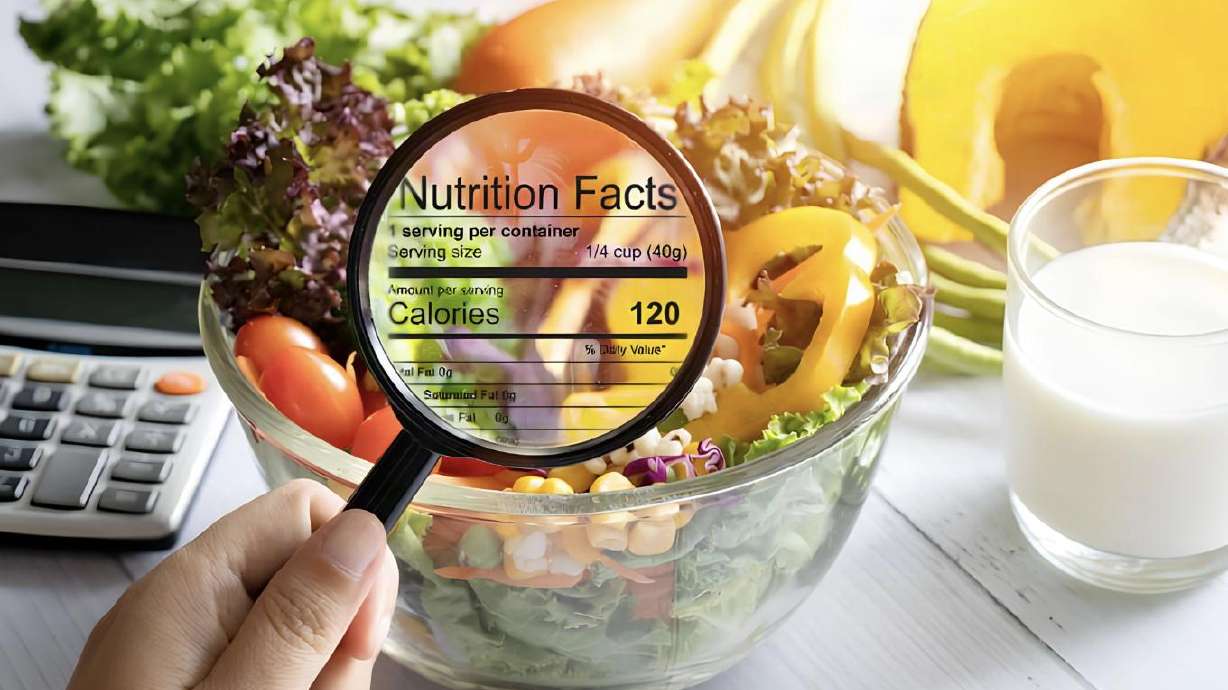
When reducing food intake, the quality of what you eat becomes crucial. Smaller meals can lead to fewer opportunities for essential nutrients such as protein, fiber, vitamins, and minerals. If you've felt fatigued or unsatisfied after a meal, you understand that not all foods provide the same level of nourishment. To counter this, focus on making each bite count. Whether aiming for a healthy weight, altering your eating habits, or managing a decreased appetite due to GLP-1 medication, selecting nutrient-rich options can enhance the nutrition you obtain from meals.
Read More
1. **Prioritize Protein and Fiber**: Protein plays a vital role in health and is essential when losing weight. Jaclyn St. John, MS, RDN, LD, Director of Nutrition Partnerships for Dairy West, emphasizes the importance of incorporating protein into every meal and snack. This supports muscle maintenance during weight loss. Additionally, fiber is important for prolonged satisfaction, promoting overall health. Combine protein-rich foods such as Greek yogurt, lean meats, and eggs with fiber-rich fruits, vegetables, and whole grains to build fulfilling meals.
2. **Consider Smaller, More Frequent Meals**: With a reduced appetite, it can be beneficial to adapt your eating frequency. Instead of aiming for a specific number of meals, identify a pattern that suits your needs. This may involve smaller, frequent meals and balanced snacks. Dairy products, which pair well with fruits and grains, can easily contribute to nutritious snack options like Greek yogurt with berries or cottage cheese with whole-grain toast.
3. **Stay Hydrated**: Hydration plays an essential role in health, especially when consuming less food. Water should be a primary source, but foods with high water content like fruits, vegetables, and soups also help meet hydration needs. Milk, including chocolate milk, not only hydrates but offers protein and other nutrients, making it a beneficial choice.
4. **Take a Balanced Approach**: Healthy weight management does not require eliminating entire food groups. St. John advocates for building a sustainable eating pattern that includes a variety of nutrient-rich foods. Instead of focusing on what to cut out, think about how to optimize meals by adding dairy, fruits, or more vegetables and whole grains.
5. **Choose Nutrient-Rich Foods**: When eating less, it's vital to ensure that your food delivers substantial nutrition. For those on GLP-1 medications, selecting nutrient-dense foods can maximize the benefits of smaller portions. Dairy foods provide high-quality protein and essential nutrients like calcium and potassium, making them valuable additions to your meals. It's important to work with a healthcare professional or registered dietitian when making significant dietary changes.
Making small adjustments in your diet can effectively support healthy weight management without drastic changes. For additional tips and resources, visit Dairy West's Making Every Bite Count page.