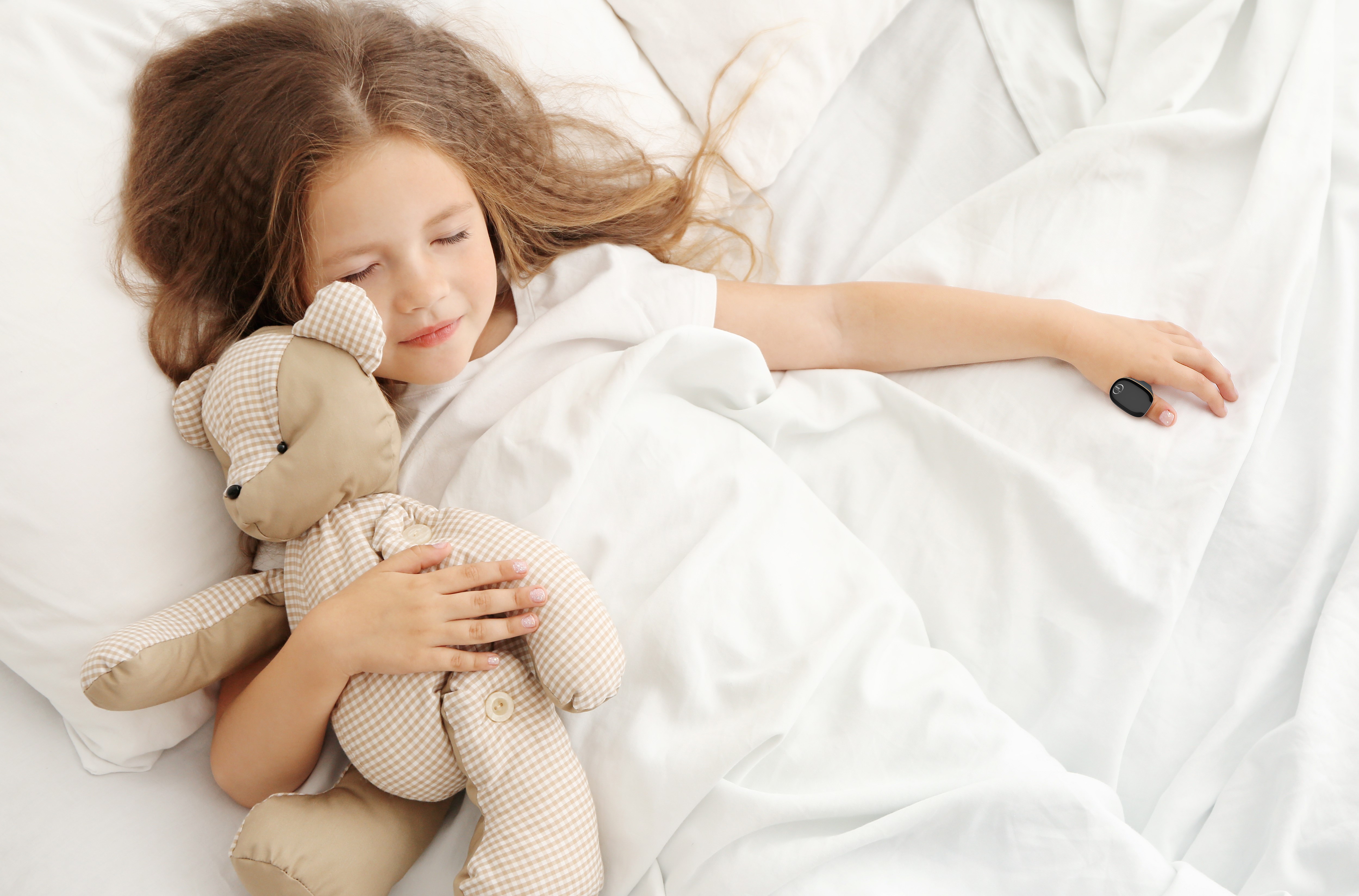
A recent study involving Akureyri Hospital researchers has found that the severity of sleep apnea in children can vary significantly from one night to the next. This suggests that a single-night monitoring may not accurately reflect the severity of sleep apnea in a child.
Read More
Published on August 19 in the journal Frontiers in Sleep, the study is part of Ingibjörg Ingólfsdóttir’s master’s thesis. Key contributors include Hannes Petersen, a physician at Akureyri Hospital; Sólveig Magnúsdóttir from MyCardio Denver; and several other medical professionals.
The research examined sleep data from 200 children aged 4 to 9, who were monitored over three consecutive nights. The primary aim was to determine if the sleep apnea index, which indicates the number of breathing disturbances during sleep, varied between nights and how this variability might influence the assessment of sleep apnea severity.
Findings revealed that around half of the children shifted between different severity categories when comparing results from two consecutive nights. In cases of moderate to severe sleep apnea, the diagnosis was confirmed in 57% of children after the first night and in 86% after the second night. Notably, 14% required monitoring over three nights for an accurate diagnosis.
According to Hannes Petersen, these results indicate that prolonged monitoring may enhance the accuracy of sleep apnea diagnoses in children. The study underscores the need for further exploration of multi-night monitoring techniques.
Additionally, the research highlights the importance of collaborative efforts in scientific research. The data analyzed was initially collected for a broader study on pediatric sleep apnea, focusing specifically on the variability of the sleep apnea index. While night-to-night variability has been documented in adults, this study addresses a less explored area in children.
Ingibjörg Ingólfsdóttir remarked on the value of applying research conducted during her master’s project to advance knowledge in the field. This study was conducted in collaboration with researchers from both Iceland and abroad, and was funded by various organizations including the Akureyri Hospital Research Fund and the University of Akureyri Research Fund. The complete study is titled "Exploring nightly variability in sleep apnea and changes in severity classification with multi-night sleep testing in a population-based cohort of young children."