A recent study has found that processed foods can significantly influence both brain activity and metabolism. Researchers discovered that meals categorized as minimally processed and highly processed, although nutritionally matched for calories, carbohydrates, fats, proteins, water, salt, and weight, generated distinct metabolic responses in the body.
Read More
The highly processed meals led to greater insulin release and increased energy expenditure, while also promoting less carbohydrate oxidation. Additionally, these meals triggered different responses in brain regions associated with motivation and reward, as reported in the journal Nature Metabolism.
Led by a team from Virginia Tech's Fralin Biomedical Research Institute, the study aimed to explore the implications of food processing beyond mere macronutrient content. The findings suggest that processing may play a role in the body's and brain's reactions to food, possibly explaining why ultra-processed foods (UPFs) are linked to overconsumption and various health issues.
Ultra-processed foods are typically ready-to-eat items made with ingredients derived from foods or synthesized in laboratories, often lacking whole food components. Examples include bacon, sausages, breakfast cereals, burgers, ice cream, chips, and sugar-laden beverages.
Alexandra DiFeliceantonio, a neuroscientist involved in the research, noted that diets worldwide are increasingly incorporating UPFs, which are high in added sugars, fats, and salts, but low in protein and fiber. She stated, "People who consume large amounts of ultra-processed foods have higher rates of poor health outcomes — obesity, cardiac events, Type 2 diabetes, and even some metrics of mental health."
The study engaged 57 healthy adults aged 18 to 45, with 32 completing both brain imaging and metabolic tests. Participants consumed two types of meals on different days, allowing researchers to observe variations in metabolic responses. They were assessed in a metabolic chamber following an overnight fast.
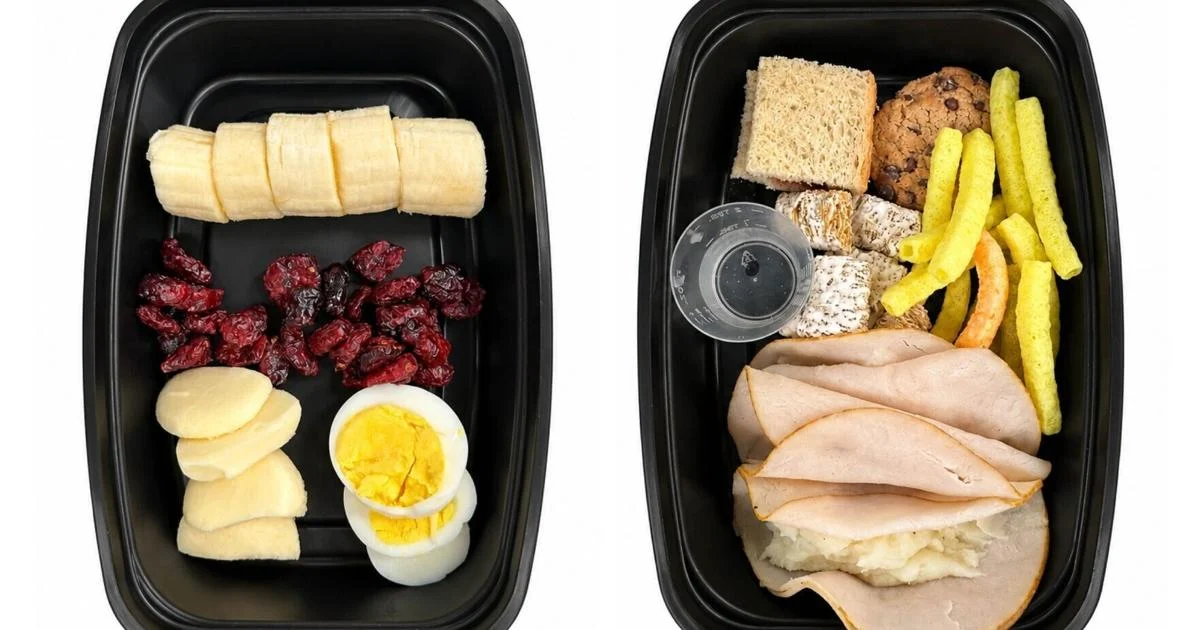
One meal consisted of a slice of a peanut butter and jelly sandwich, deli turkey, veggie chips, a cookie, cereal, instant mashed potatoes, and water, while the other included a sliced banana, dried cranberries, cheese, and an egg. The meals were matched within 1% for key nutritional metrics.
Zach Hutelin, the study's first author, observed that insulin responses and blood sugar levels significantly differed between the two meal types after consumption. This raised concerns, as chronically high blood sugar levels can increase the risk of diabetes. The team also measured participants' brain activity while they viewed images of the same foods consumed during the metabolic tests to determine how brain responses correlated with metabolic differences.
Activity in brain regions related to learning and reward was linked to the participants’ physiological responses, highlighting a connection between food processing, metabolism, and motivation. Brazilian epidemiologist Carlos Monteiro remarked on the significance of the findings, arguing that they contribute to the ongoing discourse regarding nutrient composition versus processing in food-related health outcomes.
DiFeliceantonio expressed interest in expanding this research to explore various populations, meal sizes, and the specific factors in food processing that may influence metabolic responses.