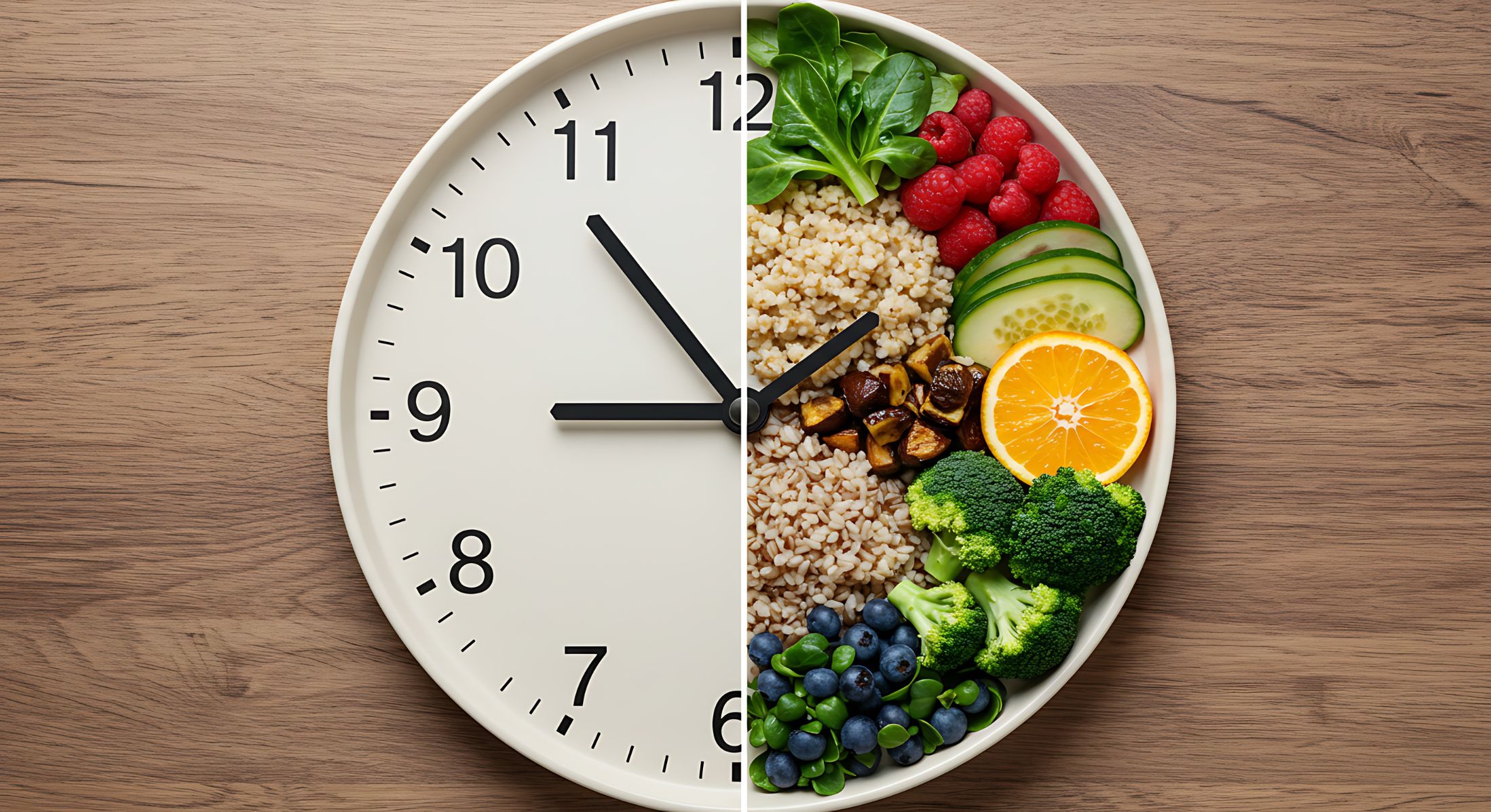
Intermittent fasting (IF) has emerged as a notable dietary strategy, potentially benefiting metabolic health and influencing gut microbiota and hormone secretion. This topic prompts an essential inquiry for clinical practice: does IF offer measurable health advantages?
Read More
IF encompasses various eating patterns, including time-restricted eating (TRE), which limits meals to a specific daily window (e.g., eight to ten hours), alternate day fasting, and dietary modifications such as the five-two approach, where caloric intake is restricted on select days. Religious fasting practices like Ramadan also fit into this category. All these methods induce periods of no nutrient intake, eliciting synchronized physiological responses in gut and metabolic systems.
The physiological processes activated by IF occur throughout the fasting and feeding cycles, facilitating interactions among digestive, microbial, immune, and metabolic mechanisms. During fasting, the lack of food serves as a key synchronizer for circadian rhythms. Consuming meals early in the day can enhance glucose management and lipid metabolism, while food intake later in the day may disturb insulin sensitivity.
As fasting continues, the intestine's motility phase kicks in due to the migrating motor complex, clearing residual food and bacteria, which may help prevent bacterial overgrowth. Prolonged fasting triggers body repair mechanisms, reduces inflammation, and boosts regulatory cytokines that aid lipid metabolism. Although interleukin-6 (IL-6) levels may temporarily increase during fasting, its role appears mainly supportive of lipid mobilization rather than promoting chronic inflammation. Caution around fasting is advisable for individuals with inflammatory bowel disease (IBD) to avoid adverse effects.
After extended fasting, the body depletes glycogen reserves, shifting to fat-derived fuel (ketone bodies). These ketones not only provide energy but also serve as signaling molecules that can impact inflammation and metabolic processes. IF is noted to lower post-meal insulin responses, enhancing insulin sensitivity.
Upon resuming eating, unabsorbed nutrients reach the colon, where gut bacteria ferment them into short-chain fatty acids (SCFAs). The gut microbiome displays circadian rhythms, with daytime feeding favoring beneficial bacteria and nighttime fasting supporting gut balance. IF has been associated with increased microbial diversity, which is often linked to improved metabolic outcomes.
SCFAs play a vital role in linking gut microbiota to host metabolism, reinforcing the intestinal barrier and inciting the release of hormones like GLP-1 and PYY, which help regulate appetite. This hormonal balance could explain the decreased urge to snack often reported during IF.
However, how individuals break their fast can significantly influence IF outcomes. Large, unhealthy meals can overwhelm digestion and hinder nutrient absorption. Regular consumption of high-sugar or low-fiber foods may also disrupt gut health and satiety signaling. Individuals sometimes overeat during designated feeding periods following extended fasts, especially when indulging in highly palatable foods.
Current clinical evidence suggests that early TRE, which restricts food intake to earlier hours, consistently yields positive effects on glucose metabolism and overall metabolic health. However, IF should not be viewed as a simple solution or a substitute for a balanced diet. Its benefits hinge on mindful implementation, gradual adaptation, and overall dietary quality. Longer fasting regimens should be undertaken under medical guidance, particularly for individuals with specific health conditions such as diabetes, eating disorders, or those expecting. Maintaining a balanced lifestyle is essential for long-term health results.