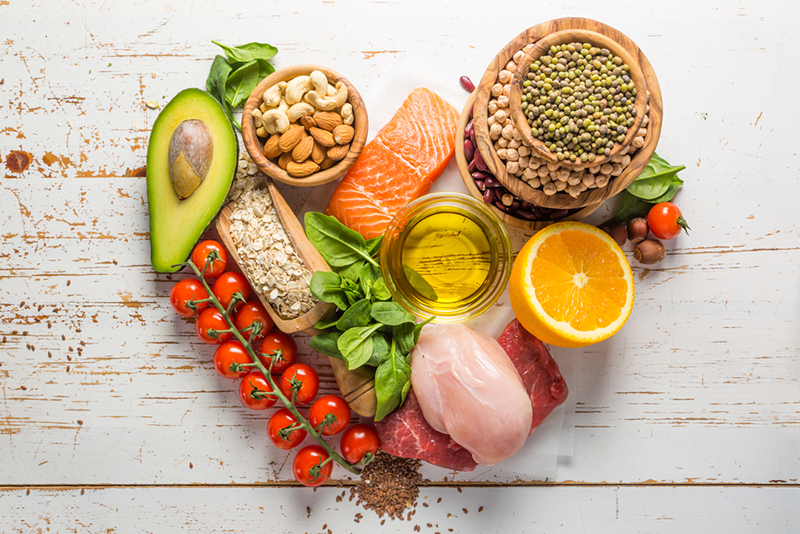
As 2026 begins, recent federal announcements are shaping state and territorial efforts to enhance access to affordable, nutritious foods. Notable changes include the new 2025–2030 Dietary Guidelines for Americans, which were released in January 2026. These guidelines promote increased protein intake, encourage fats from natural and animal sources, minimize emphasis on grains, and strongly discourage highly processed foods while limiting added sugars.
Read More
On January 29, 2026, the National Governors Association (NGA) convened Human Services Policy Advisors from various states and territories to discuss nutrition priorities, focusing on the Supplemental Nutrition Assistance Program (SNAP), child nutrition programs, and broader food systems initiatives. Presentations were made by experts from Manatt Health, the National Conference of State Legislatures (NCSL), and Iowa’s Department of Health and Human Services regarding the implementation of healthy food initiatives.
Federal actions are expected to prompt regulatory changes to school meal standards, with the U.S. Department of Agriculture (USDA) intending to propose updated meal standards later in 2026. States and territories will have the opportunity to provide input during the comments period and are encouraged to engage local food providers in their responses.
State actions have included efforts to obtain waivers that restrict unhealthy SNAP purchases. The USDA has approved waivers for 18 states that prohibit the purchase of items like candy and soda with SNAP benefits. Five states, including Iowa, began implementing these waivers on January 1, 2026, while additional states are exploring the inclusion of items like prepared foods and vitamins under SNAP.
Moreover, incentive programs such as Double-Up Food Bucks are actively being employed by many states to increase healthy food purchasing power. At least 15 states have introduced legislation to fund initiatives that encourage the purchase of fruits and vegetables through various incentive schemes.
Collaboration with health agencies continues as states work to incorporate food as medicine into Medicaid programs. Many are addressing diet-related conditions through medically tailored meals or grocery distributions. Some states are highlighting SNAP waivers as significant aspects of their Rural Health Transformation Grants.
Legislation related to HR1 changes has also been introduced in multiple states. For example, Washington proposed an excise tax to fund public benefit programs, while Florida and Maine are working on plans to improve payment accuracy and reduce SNAP cost shares, respectively.
Iowa has taken significant steps as one of the first states to implement a healthy SNAP waiver, with a design that aligns with its taxable food list for efficient retailer operations. Their approach includes extensive partnerships with retailers and proactive consumer outreach efforts to inform SNAP participants of the changes and encourage healthier purchasing behaviors. Evaluation contracts are also in place to assess the impact of these initiatives on purchasing habits and dietary choices.