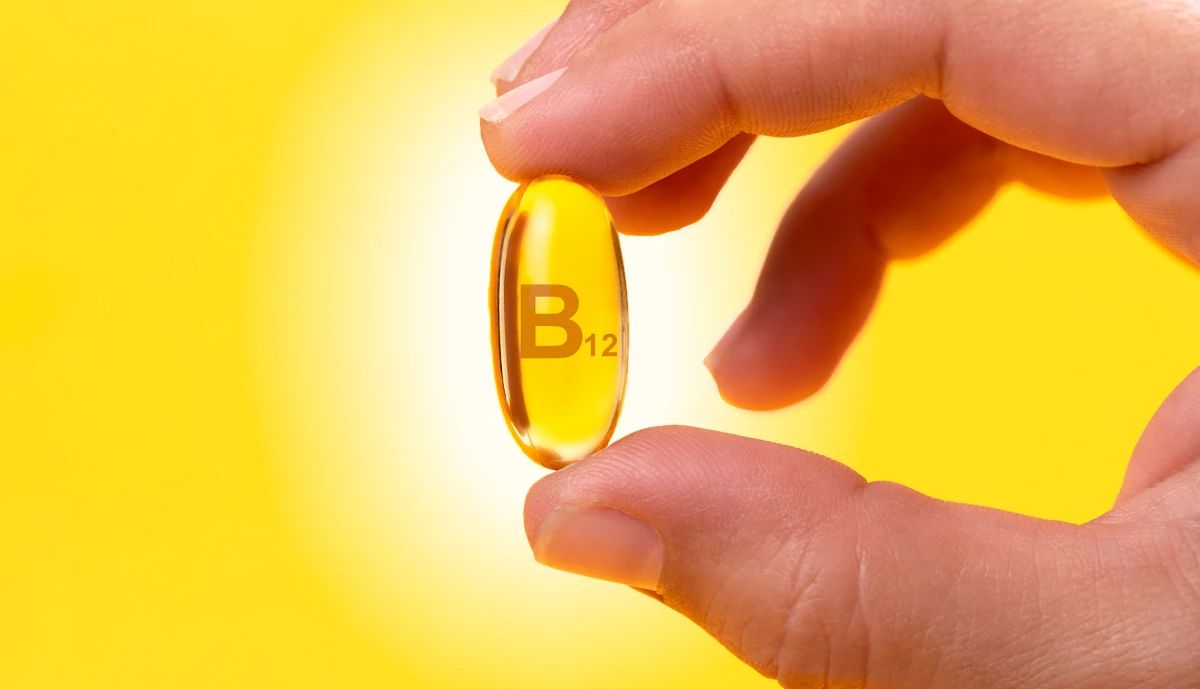
Vitamin B12 is crucial for older adults, supporting brain health and nerve function, and may help prevent cognitive decline.
Read More
Kristin Zimmerman, an associate professor at Virginia Commonwealth University, grew concerned when her mother, in her late 60s, began receiving high-dose vitamin B12 injections from a local wellness clinic, drawn by claims of improved energy and memory. After several injections and significant expense, her mother reported no noticeable benefits. Further evaluation revealed she had normal B12 levels, and she had not exhibited common deficiency symptoms such as memory issues or balance problems.
Most older adults obtain sufficient B12 through their diet, particularly if it includes lean meats. The average recommended daily allowance for B12 is 2.4 micrograms for adults, and multivitamins typically contain this amount.
Dr. Lindsey Yourman, an associate clinical professor at the University of California San Diego, explains that vitamin B12 is vital for DNA production and maintaining healthy blood and nerve cells. The best dietary sources include organ meats, beef, fish, shellfish, poultry, dairy, eggs, and fortified cereals.
Many older adults do not require B12 supplements unless a deficiency is documented, with only about 20 percent of individuals over 60 showing deficiencies according to the American Academy of Family Physicians. Routine screening is unnecessary unless symptoms like memory loss or mood changes arise, or if one follows a strict vegan diet, notes Dr. JoAnn Manson, chief of preventive medicine at Brigham and Women’s Hospital.
Symptoms of B12 deficiency can include numbness, mouth ulcers, vision problems, and unexpected weight loss. If diagnosed, a healthcare provider will determine the appropriate supplementation.
As people age, their ability to absorb B12 may decline; research indicates that by age 75 to 80, around 40 percent of individuals may experience decreased absorption. This is partly due to changes in stomach acid production, which is essential for B12 absorption. Additionally, medications commonly taken by seniors, like metformin for diabetes, can interfere with absorption.
The risk of B12 deficiency is heightened in those with limited diets, gastric bypass history, Celiac disease, pancreatic insufficiencies, or a vegan lifestyle.
Deficiency is often among the first checks in cases of cognitive impairment, with treatment typically reversing symptoms. However, studies show that B12 supplementation does not lower the risk of dementia or Alzheimer's disease or slow its progression, indicating a need for further clinical trials to clarify B12's role in brain health.