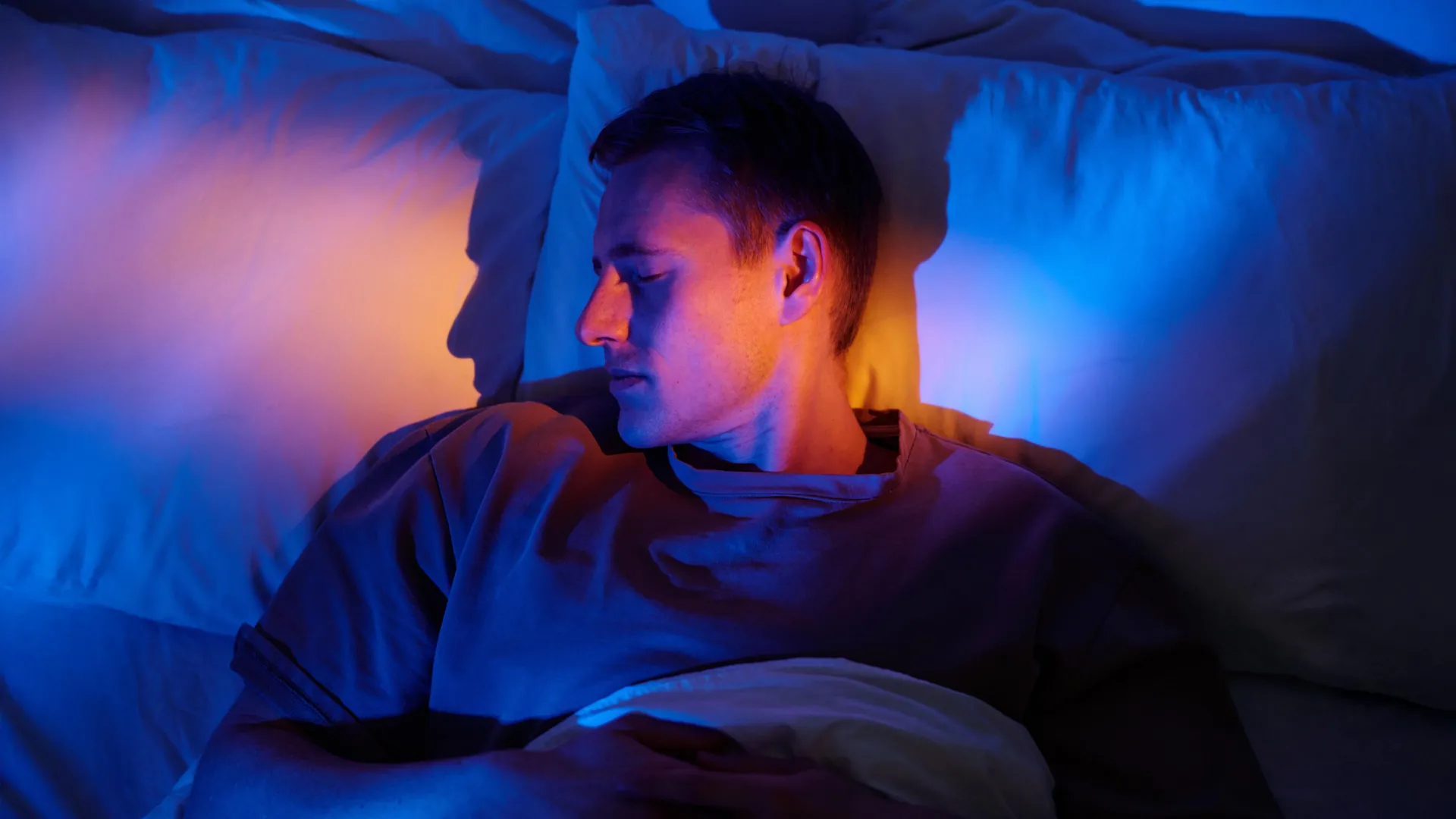
A recent study from the University of Pennsylvania Perelman School of Medicine, published in the journal Sleep, suggests that pink noise, often used to aid sleep, may negatively impact the most restorative stages of sleep. The study found that exposure to pink noise reduced REM sleep and disrupted overall sleep recovery. In comparison, wearing earplugs was more effective in mitigating the effects of traffic noise on sleep.
Read More
The research raises concerns about the increasing use of sound machines and sleep apps that rely on continuous background noise to promote rest. Mathias Basner, MD, PhD, the study’s lead author and a professor of Sleep and Chronobiology in Psychiatry, pointed out the importance of REM sleep for memory consolidation, emotional regulation, and brain development, particularly for children.
The study involved monitoring 25 healthy adults, aged 21 to 41, over seven nights in a sleep lab, with participants not reporting any sleep disorders or regular use of sound to assist sleep. They experienced different conditions, including aircraft noise, pink noise, a combination of both, and aircraft noise while using earplugs. Participants completed cognitive tests and questionnaires each morning regarding sleep quality and alertness.
Key findings indicated that exposure to aircraft noise led to an average loss of about 23 minutes of deep sleep (N3) per night, a reduction that was largely prevented by using earplugs. Pink noise alone, at 50 decibels, was associated with a nearly 19-minute decrease in REM sleep; when combined with aircraft noise, both deep and REM sleep durations were notably reduced, with participants experiencing increased wakefulness.
The study's outcomes emphasize the effectiveness of earplugs, used by around 16 percent of Americans for sleep. However, it also highlights the need for more research on the long-term health impacts of pink noise and other broadband noises marketed as sleep aids. Many individuals rely on these sounds, with white noise and ambient podcasts totaling three million hours of listening daily on Spotify, and popular YouTube white noise videos amassing over 700 million views. Despite its popularity, existing studies on broadband noise's effects on sleep have been limited and often yield inconclusive results, according to Basner and colleagues.
Disrupted REM sleep is commonly linked to conditions like depression, anxiety, and Parkinson’s disease. Basner warned that children, who experience more REM sleep than adults, may be particularly susceptible to any disruptions. Nonetheless, many parents use sound machines for infants in an effort to enhance their sleep. Basner emphasized the need for caution regarding the use of broadband noise for vulnerable populations and advocated for further research into various broadband noise types and their safe levels during sleep.
The study was funded by the U.S. Federal Aviation Administration Office of Environment and Energy through ASCENT, a center focused on alternative jet fuels and the environment.