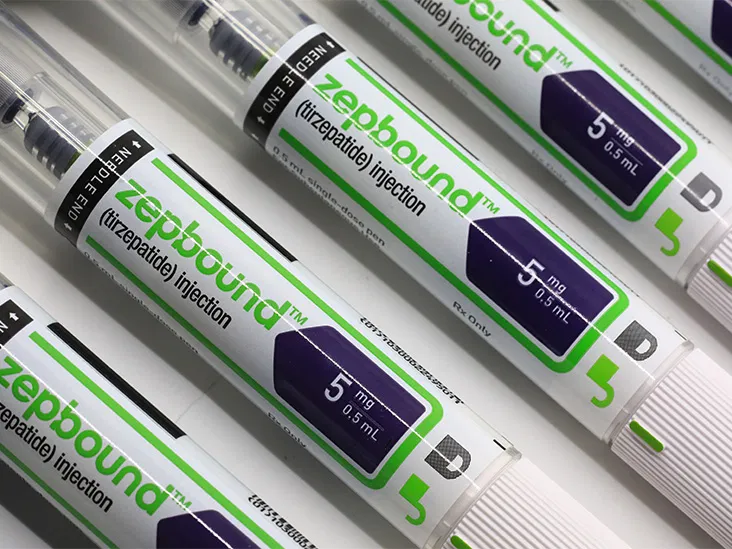
Zepbound (tirzepatide) is a medication designed to assist individuals with obesity in weight loss. However, numerous users have reported experiencing insomnia after beginning treatment. Recent studies support these claims, finding a notable association between Zepbound and insomnia, which is characterized by difficulty falling or staying asleep.
Read More
Insomnia is not listed among the known side effects in the official prescribing information for Zepbound, indicating it did not appear during clinical trials. A study conducted in 2025, analyzing data from the United States, Canada, and Australia, revealed that individuals on tirzepatide reported insomnia at significantly higher rates compared to those on alternative medications. On average, patients experienced sleep-related issues approximately 12.5 days after starting tirzepatide. Additionally, a 2026 study suggested that males taking tirzepatide may face a greater risk of sleep disturbances than females.
While the precise mechanisms by which tirzepatide may induce insomnia remain unclear, several potential factors have been identified:
- Calorie restriction: Users of tirzepatide typically consume fewer calories, which may lead to metabolic changes or nutrient deficiencies that disrupt natural sleep cycles.
- Brain changes: Tirzepatide acts on certain brain regions linked to hunger, which might inadvertently affect other brain functions that assist in sleep.
- Secondary reactions: Insomnia may also stem from discomfort related to other side effects, such as nausea or gastrointestinal issues.
Philip Ngo, PharmD, notes that switching between GLP-1 medications might alleviate negative side effects, as individual tolerance can vary among different drugs in this category. He encourages patients to discuss options with their doctors.
It is crucial to address persistent insomnia, as it can significantly affect daily life and overall health. Consulting a healthcare professional for guidance and treatment is advised.