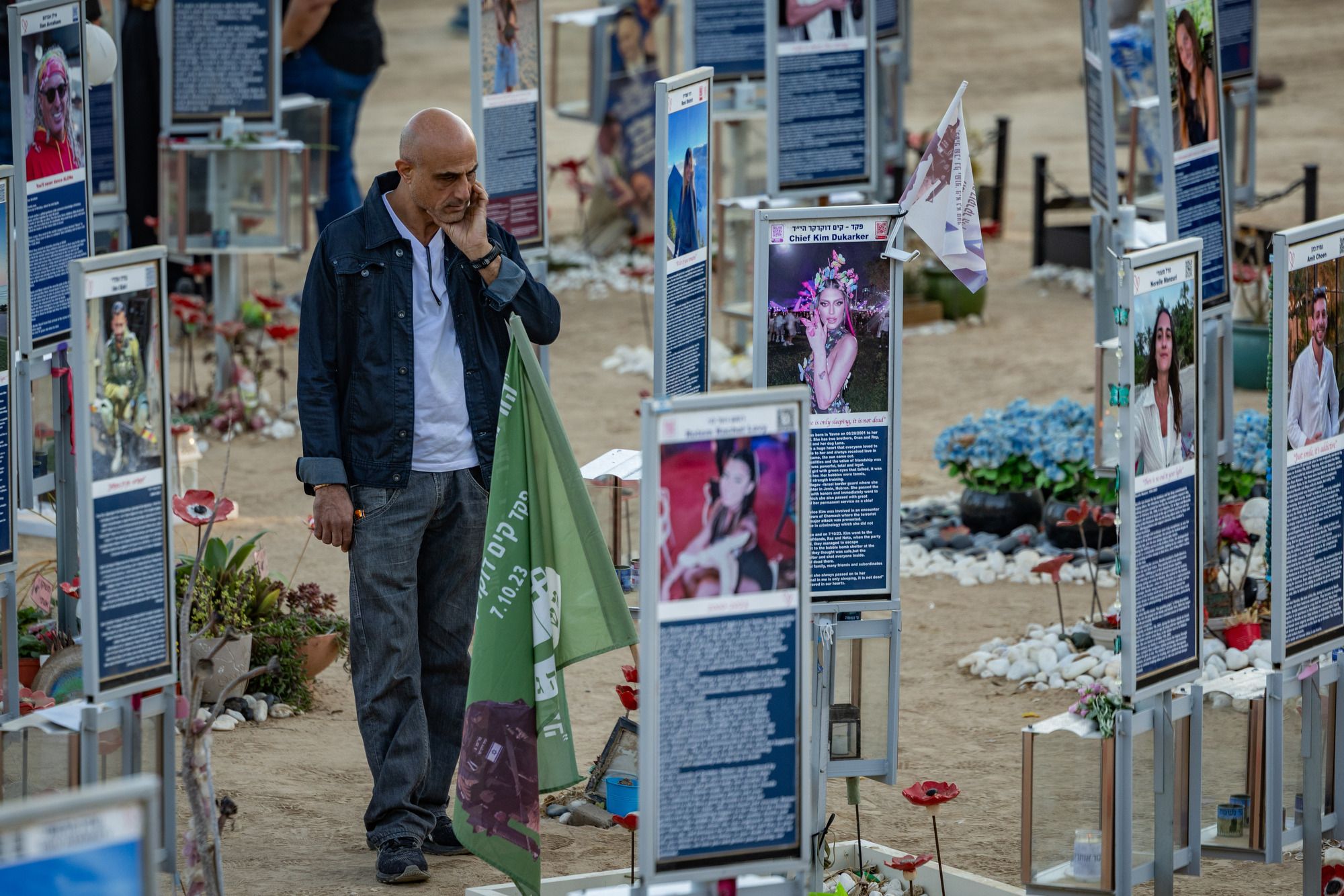
During the first six days of October 2026, SAHAR, Online Mental Support, recorded a 25% rise in conversations compared to the same period in September. Themes of depressive mood, loneliness, and hopelessness prominently emerged during these discussions. This increase highlights the significant psychological impact of the ongoing conflicts in Israel, three years after the tragic October 7 attack by Hamas militants.
Read More
SAHAR's recent data indicates that the volume of interactions with their service has more than doubled since before the war. Initial trauma and war-related issues saw a dramatic increase in the first year after the attack, with conversations on these topics rising more than tenfold. While the rate of increase has moderated over time, discussions regarding trauma remain 3.6 times higher than pre-war levels in the third year.
Other distressing issues have either persisted or worsened. Conversations regarding bereavement and loss surged by 82%, and discussions about financial difficulties rose by 46% compared to pre-war levels. Notably, users reporting difficulties in accessing medical or mental health care increased by 92%, marking one of the sharpest increases. Discussions centered on depression or sadness rose by 21%.
SAHAR CEO Inbar Shenfeld noted that while the immediate trauma has not vanished, it is evolving. "Alongside trauma and the war itself, we are encountering more bereavement and loss, financial difficulties, and challenges in accessing mental health care," she stated. Shenfeld explained that these emotional challenges often remain unseen, as individuals can maintain routines such as work and family life while carrying significant emotional burdens.
On Sunday, SAHAR will present its findings in a Hebrew-language webinar titled "Circles of Connection – The Hidden Layers," which will focus on less visible psychological and social effects from the past three years. Mental health experts, including clinical psychologist Prof. Yossi Levi-Belz and Dr. Amir Blumenfeld, chairman of SAHAR's board, will contribute to the discussion. The data suggests that while immediate trauma remains, ongoing uncertainty and loss have highlighted additional pressures, including grief, financial strain, and difficulties in accessing care.