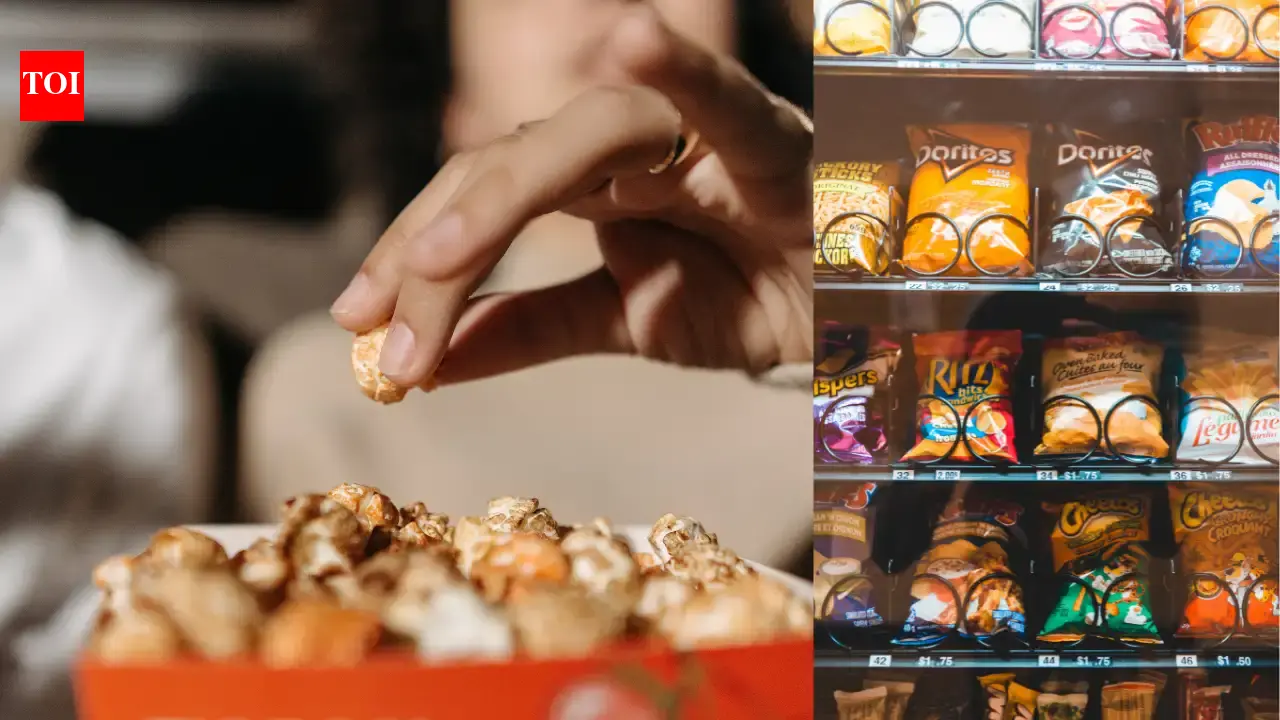
Many individuals automatically reach for crunchy snacks like chips or nuts after a challenging day, often attributing these cravings to the desire for salt or sugar. However, new research suggests that texture plays a crucial role in these preferences. A study published in 2026 by S. Sinem Atakan and Hazal Duman Alptekin in the journal Appetite investigates how negative emotions—anger and anxiety—influence food texture choices.
Read More
The researchers aimed to explore a previously overlooked aspect of emotional eating. While earlier studies indicated that negative emotions typically lead people to consume more sweet and high-fat foods, the connection between emotions and food texture had not been directly addressed. This study provides insights into how texture preferences change in response to feelings like anger and anxiety.
In the study, two scenarios are presented: one student feels anxious waiting for exam results, while another is furious after an airline mishap involving a damaged suitcase. The researchers hypothesized that the angry student would lean towards crunchy foods, while the anxious student would prefer something soft and comforting.
The research consisted of two parts. In the first study, 112 participants were divided into anger and anxiety groups, reporting their preferences for mouth behaviors like crunching and squashing. The second study involved measuring electrical brain activity from 58 students, tracking their attention to different food textures. The findings indicated that anger was associated with a preference for crunchy textures, while anxiety favored soft, mushy options.
In the first study, participants showed a notable increase in the desire to crunch when angry and a shift toward squashing when feeling anxious, highlighting a congruency effect where food texture aligns with emotional states. The authors considered whether individuals might seek contrasting textures for comfort but found evidence supporting their hypothesis of matching textures to emotions.
Brain activity from the second study revealed that anger heightened awareness of crunchy textures, while anxiety increased focus on mushy textures, as measured through the P300 component. This supports the embodied emotion theory, suggesting that emotional states manifest in physical responses.
Despite these findings, the researchers caution against over-reliance on their conclusions; participants engaged in hypothetical scenarios rather than actual eating. They note that the sample sizes were modest, affecting the robustness of the results. Cultural context also played a role, as the foods studied were adapted for a Turkish environment, potentially skewing the outcomes for different populations.
Moreover, other mechanisms influencing food choices during negative emotions have been suggested. A different study indicated that individuals experiencing negative emotions are more inclined to choose solid foods over liquids. Stress-related hormones like cortisol may also intensify cravings for high-fat and sugary foods. Overall, the relationship between emotions and texture preference is nuanced, suggesting that situational factors may influence eating behavior.
Disclaimer: The findings discussed are specific to the cited research and do not constitute medical or psychological advice. Individuals should consult professionals for personal guidance.