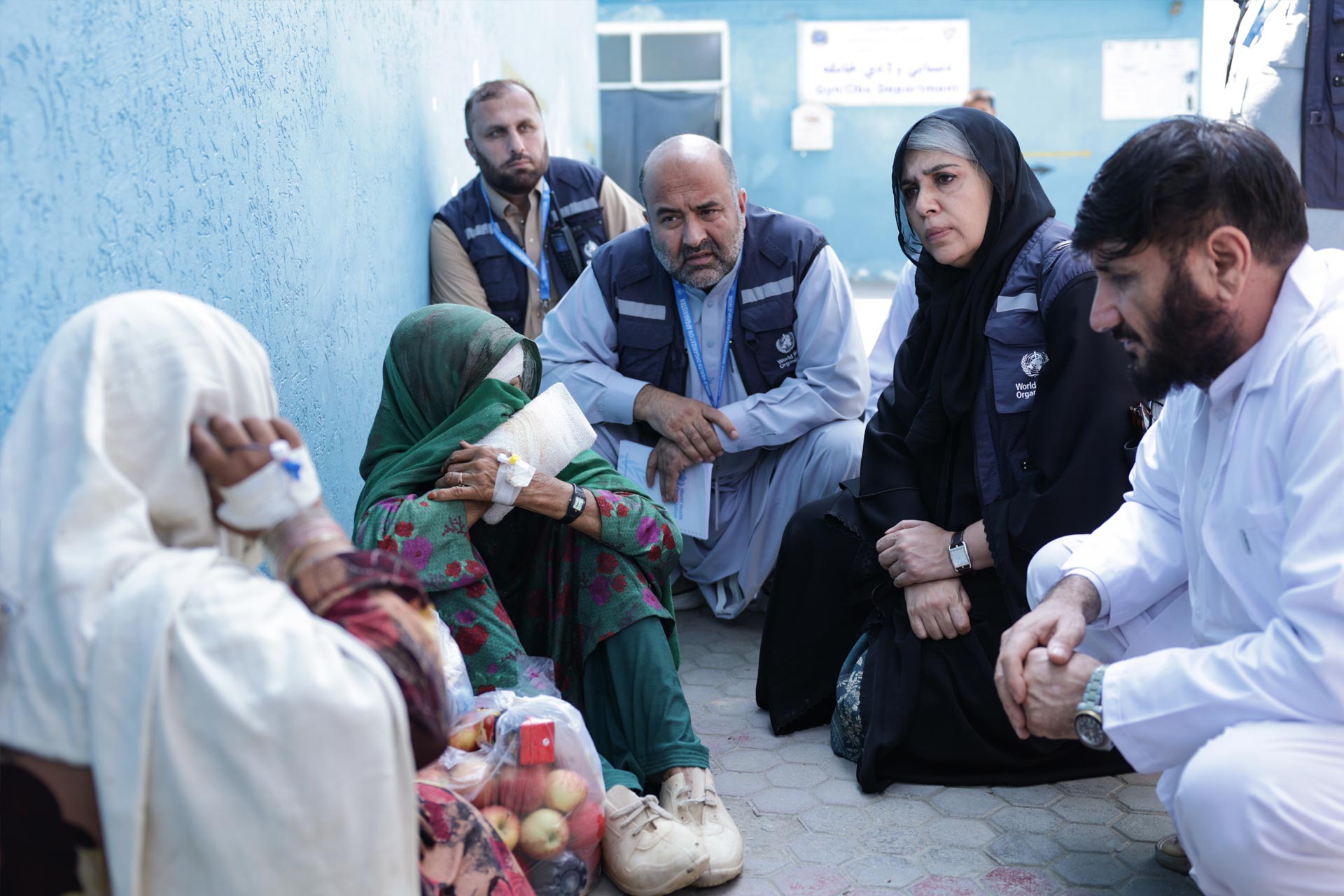
1 October 2026, Cairo, Egypt – Amid ongoing emergencies affecting millions in the WHO Eastern Mediterranean Region, there is a heightened demand for mental health and psychosocial support (MHPSS). The WHO is urging Member States to expedite the implementation of the Regional Action Plan for Mental Health and Psychosocial Support in Emergencies, 2024–2030, recommending that MHPSS become a fundamental component of emergency preparedness, response, and recovery.
Read More
In advance of the 73rd session of the WHO Regional Committee for the Eastern Mediterranean, discussions surrounding the regional action plan revealed progress made, existing gaps in MHPSS resources, and valuable insights from various countries’ experiences.
The Eastern Mediterranean Region is among the most affected by emergencies globally. As of 2026, WHO is managing 14 graded emergencies in the region, with 8 classified as Grade 3.
Since early 2026, escalating violence in the Middle East has resulted in a multi-country health emergency, leading to mass casualties and displacement. This situation has intensified pressures on already fragile health systems, increased public health risks, and disrupted access to essential services. Currently, an estimated 117 million individuals in the region require humanitarian assistance, with the region hosting 46% of the world's internally displaced persons and containing three of the largest displacement crises worldwide.
The urgency for MHPSS has become critical. During the session, WHO underscored that mental health support should be integrated into all phases of emergency management as an essential health service. Emergencies in the region are contributing to an increasing burden of mental, neurological, and substance-use conditions, which impact approximately 15.7% of the population, exceeding the global average. Persistent shortages of resources have limited access to care, with treatment gaps reaching up to 90% in certain low- and middle-income countries.
The session highlighted the necessity of actualizing the regional action plan to reinforce communities and health systems capable of meeting growing MHPSS demands. WHO urged Member States to:
- Integrate MHPSS into national emergency preparedness, response, and disaster risk management plans.
- Ensure reliable financing.
- Establish local evidence to inform actions.
- Empower and involve affected communities and individuals with lived experiences.
Ensuring access to MHPSS is vital for protecting the well-being of individuals and communities while fostering resilient health systems throughout the region.