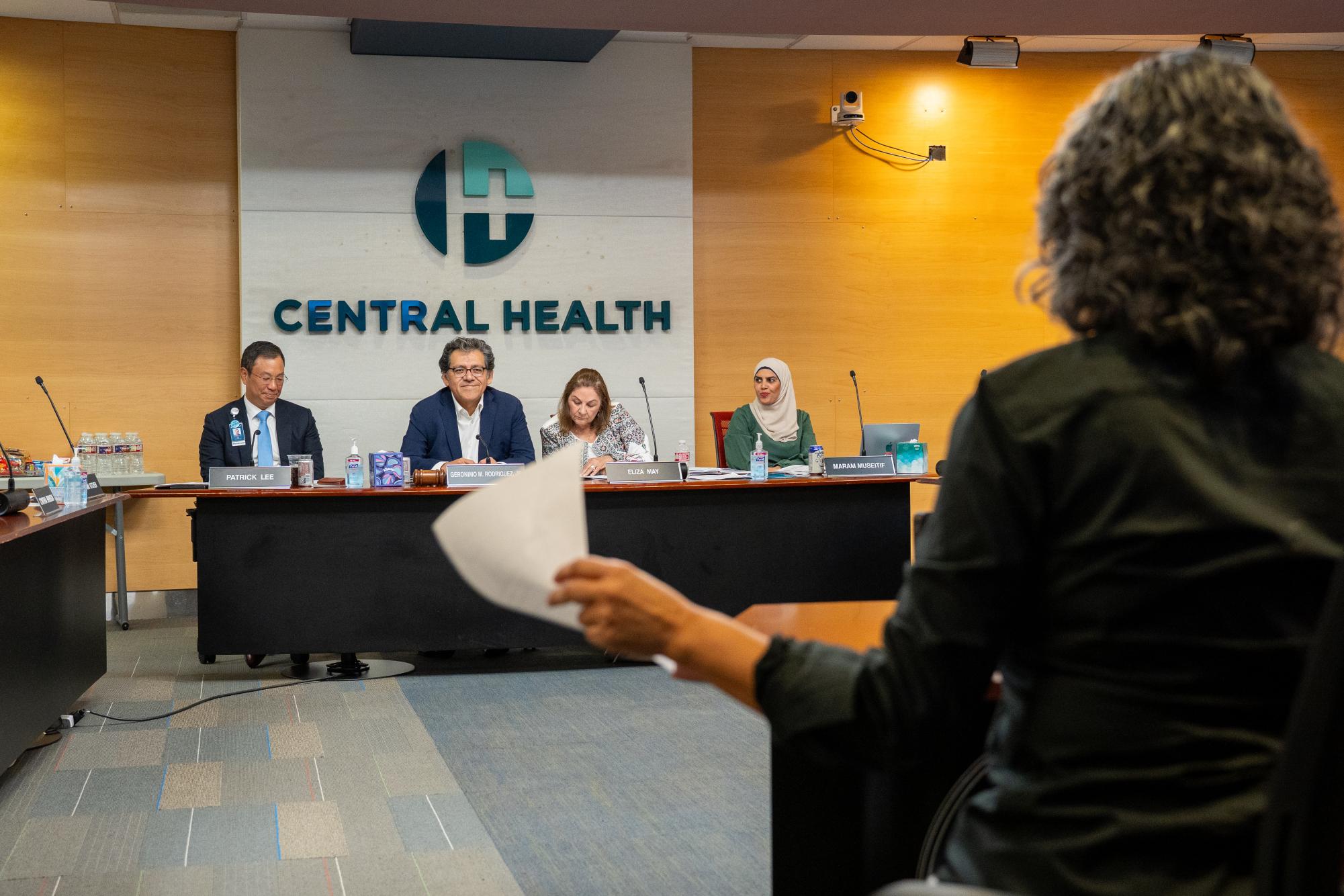
During a meeting on September 9, 2026, the Central Health Executive Board addressed crucial issues including mental health resources, AI policy, and immunization requirements.
Read More
Travis County commissioners approved a $1.1 billion budget for Central Health, the county's hospital district, on Tuesday, which allocates $54 million toward enhancing mental health crisis and recovery services.
This funding aims to address the ongoing issue of individuals repeatedly accessing emergency rooms, hospitals, jails, and living on the streets, as outlined in Central Health's budget presentation. The budget will result in a 6% increase in annual property taxes for residents, amounting to an additional $36 for the median homestead.
At a press conference, Travis County Judge Andy Brown remarked, "This is a historic investment, and it builds on years of work and collaboration. This $54 million of new funds will allow us to pilot new initiatives to divert and deflect people with more serious mental illness to get the care that they need outside of the county jail."
According to Central Health’s Fiscal Year ‘27 budget, approximately $33.1 million of the new funds is earmarked for inpatient psychiatric beds and emergency department services. The remaining $20.9 million will support resources such as the Mental Health Crisis Center and an additional crisis care team.
This decision follows a memorandum from August 3, in which Mayor Kirk Watson convened leaders from Austin, Travis County, Integral Care, and Central Health to evaluate behavioral health resources and their effectiveness.
Carrie Rogers, a government relations officer, noted in the memorandum that the City had multiple behavioral health programs overlapping in objectives. She emphasized that poor coordination had resulted in confusion during crises.
In a press release on September 10, Central Health stated that the funding aligns with ongoing efforts in Travis County, including the No Wrong Door program, which recognizes the interconnectedness of mental health, addiction, homelessness, physical health, and justice issues.
Geronimo Rodriguez, chair of the Central Health board, acknowledged that despite this significant investment, further efforts are still required.
Rodriguez stated, "The next step is turning these investments into services people can use and depend on, which will require continued collaboration among the county, the city, Integral Care, and our other partners to secure the necessary funding and expertise to implement these services. Today, we’re closer to having the care our community has needed for a long time."