This study investigates the fatty acid composition and nutritional quality of ground beef products compared with plant-based meat substitutes available in Hungary, amidst rising interest in plant-based diets.
Read More
To conduct the analysis, researchers selected six plant-based and four beef hamburger patties, along with one minced product from each category, all purchased from local retailers between August and October 2023. Samples were processed to evaluate fat content and fatty acid profiles using gas chromatography. Nutritional indices, such as unsaturation index, atherogenicity index, and thrombogenicity index, were computed based on the fatty acid values.
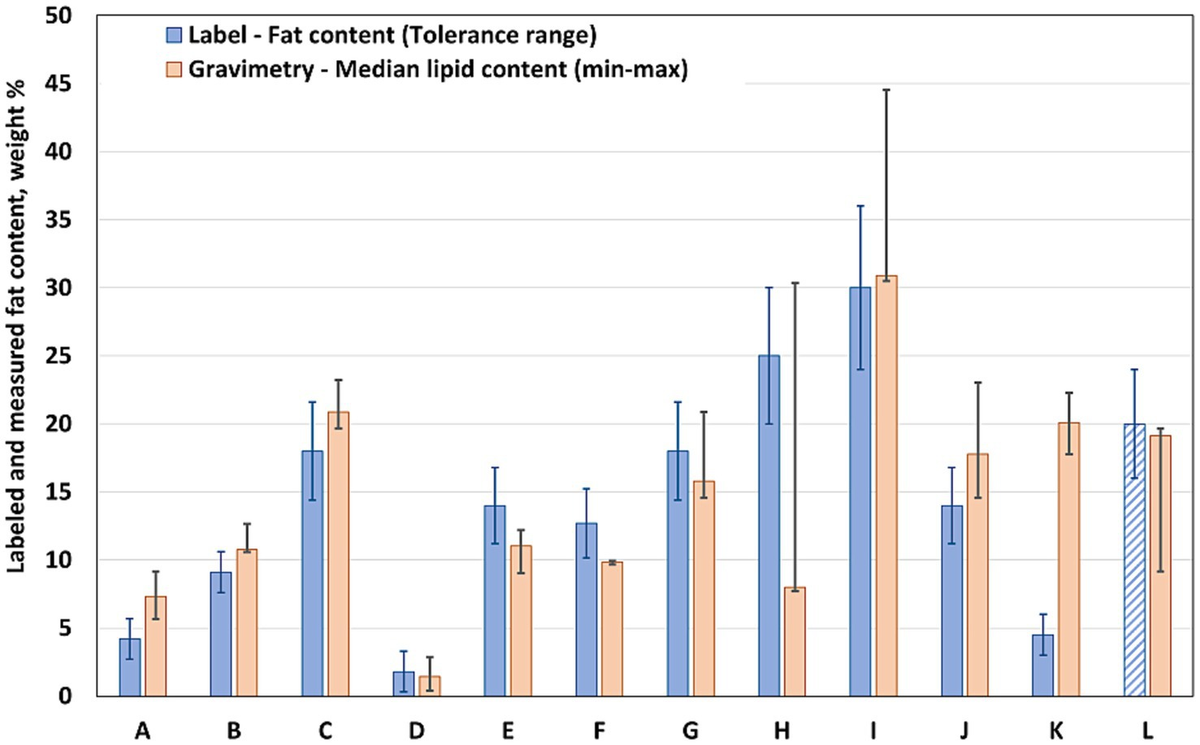
Results demonstrated significant differences in fat content between the two product types (p < 0.01). Plant-based products contained a median fat content of 10.25% [8.60%; 14.87%] compared to 19.67% [16.16%; 26.68%] for beef products. Most plant-based alternatives presented higher unsaturation indices and hypocholesterolemic/hypercholesterolemic ratios than their beef counterparts. Notably, except for one product containing coconut oil, plant-based substitutes generally exhibited lower saturated fat and higher polyunsaturated fatty acid content.
The findings suggest that plant-based meat alternatives, excluding those with coconut oil, tend to offer a more beneficial fatty acid profile, which could be associated with improved nutritional value. Further studies are warranted to better comprehend the long-term health implications of these food products.