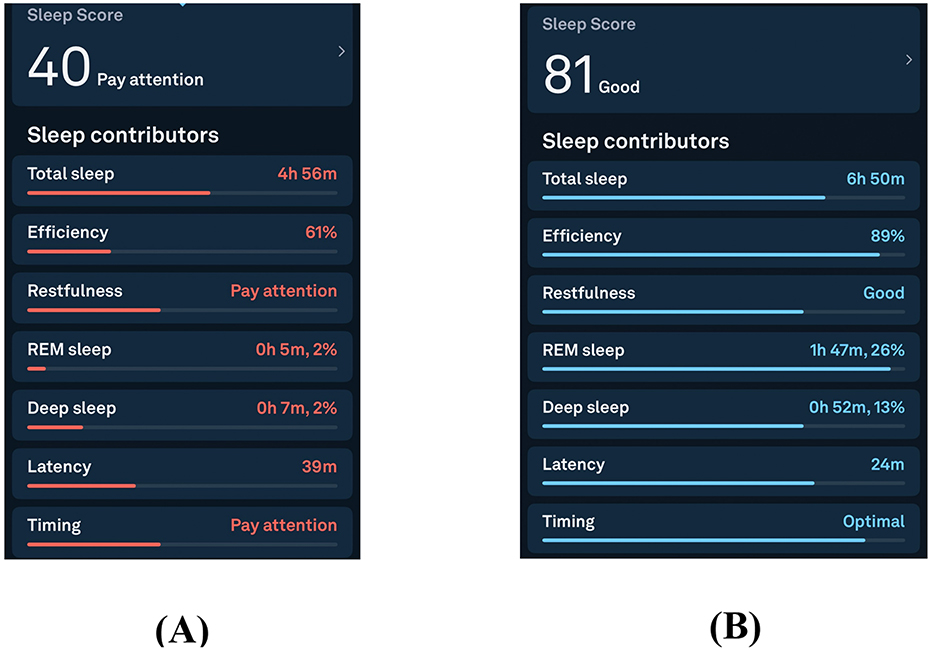
A case report published on January 20, 2026, in the journal *Frontiers in Sleep*, explores a 74-year-old male patient who experienced severe insomnia and dysautonomia following a viral illness. The patient, previously healthy and active, reported persistent sneezing and ocular irritation, suggesting histamine reactivity. Despite effective use of CPAP therapy and multiple pharmacological treatments including zolpidem and trazodone, the patient had extremely low sleep quality, as reflected in Oura Ring data indicating sleep scores in the 30–40 range with minimal REM and deep sleep.
Read More
After a thorough evaluation by a sleep specialist and exploration of stimulant therapy—declined by the patient—a targeted therapeutic regimen was introduced. This regimen featured supplements, including phosphatidylcholine, alpha-GPC, and coenzyme Q10, alongside cyproheptadine, an antihistamine aimed at modulating histamine activity, and changes to the patient's home environment to reduce exposure to scented products.
Remarkably, sleep metrics improved within 24 hours, with Oura Ring scores climbing from the 30–40 range to 75+. At a four-week follow-up, the patient reported sustained improvements in energy and cognitive function after additional dietary modifications and antihistamine support. The patient, who had been functionally incapacitated for nearly a year due to fatigued states, experienced substantial recovery.
The authors conclude that this case suggests a reversible form of insomnia potentially linked to mast cell activity and inflammation. They recommend further investigation into the role of immune-mediated contributors to refractory insomnia, indicating this case can drive prospective studies focusing on the impact of histamine-targeted therapies in similar patient populations.