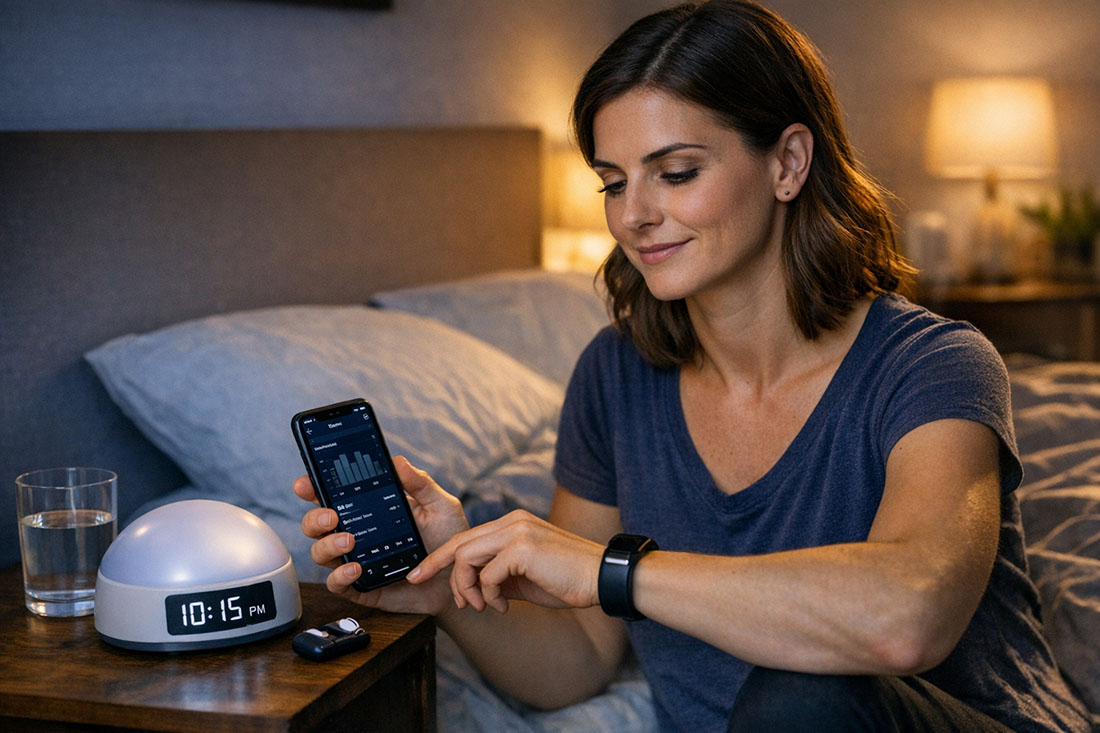
The National Sleep Foundation (NSF) recently released a position statement, informed by University of Miami Miller School of Medicine's Dr. Azizi Seixas, detailing the benefits and limitations of consumer sleep technology.
Read More
With the growing popularity of sleep trackers, smart rings, and sleep apps among millions of Americans, questions regarding their reliability and proper use have become increasingly pertinent. The NSF's statement aims to clarify how these technologies can enhance sleep health and where caution is needed.
Dr. Azizi Seixas, an associate professor at the University of Miami and a prominent sleep researcher, contributed to the statement. He highlighted that, while sleep technology has made sleep patterns more visible, which is essential for improving health, it should be used thoughtfully.
Published in Sleep Health: Journal of the National Sleep Foundation, the position statement is the result of extensive expert reviews of scientific evidence regarding consumer sleep devices. This included evaluations by both internal and external panels of experts on existing research and ethical considerations. It draws a clear line between consumer wellness products and FDA-regulated medical devices designed for diagnosing or treating sleep disorders.
The statement emphasizes that consumer sleep technologies can facilitate better sleep health by fostering awareness and promoting healthier behaviors. However, it also points out their limitations:
- Consumer sleep technology assists users in tracking sleep patterns and setting goals but can show varying results across different devices.
- These tools should not replace fundamental healthy sleep practices like maintaining consistent sleep schedules and ensuring adequate sleep duration.
- Data from these consumer devices should not supplant clinical assessments, particularly when sleep disorders are suspected.
- Privacy concerns surrounding data collection remain a significant issue.
Dr. Seixas asserted that technology is most effective when it augments rather than replaces clinical care and healthy sleep practices. He noted the potential detrimental effect of an obsession with achieving ideal sleep metrics, which can lead to a condition known as orthosomnia, where users experience increased anxiety over sleep quality.
Dr. Seixas's input underscores the University of Miami's commitment to advancing digital health through responsible, evidence-based technology. He pointed out that effective use of sleep technology can foster healthier discussions between patients and doctors.
For both patients and clinicians, the statement emphasizes that while sleep trackers can help in understanding sleep habits, any troubling data or persistent sleep issues should be addressed with healthcare professionals. Clinicians are encouraged to engage with the data patients bring from these devices to inform meaningful discussions while adhering to evidence-based practices.
The authors of the position statement advocate for ongoing research, improved performance standards, and stronger data protection policies, asserting that the involvement of academia in this evolving field is crucial. Dr. Seixas and his colleagues aim to ensure that advancements in sleep technology are beneficial to public health without compromising scientific integrity.