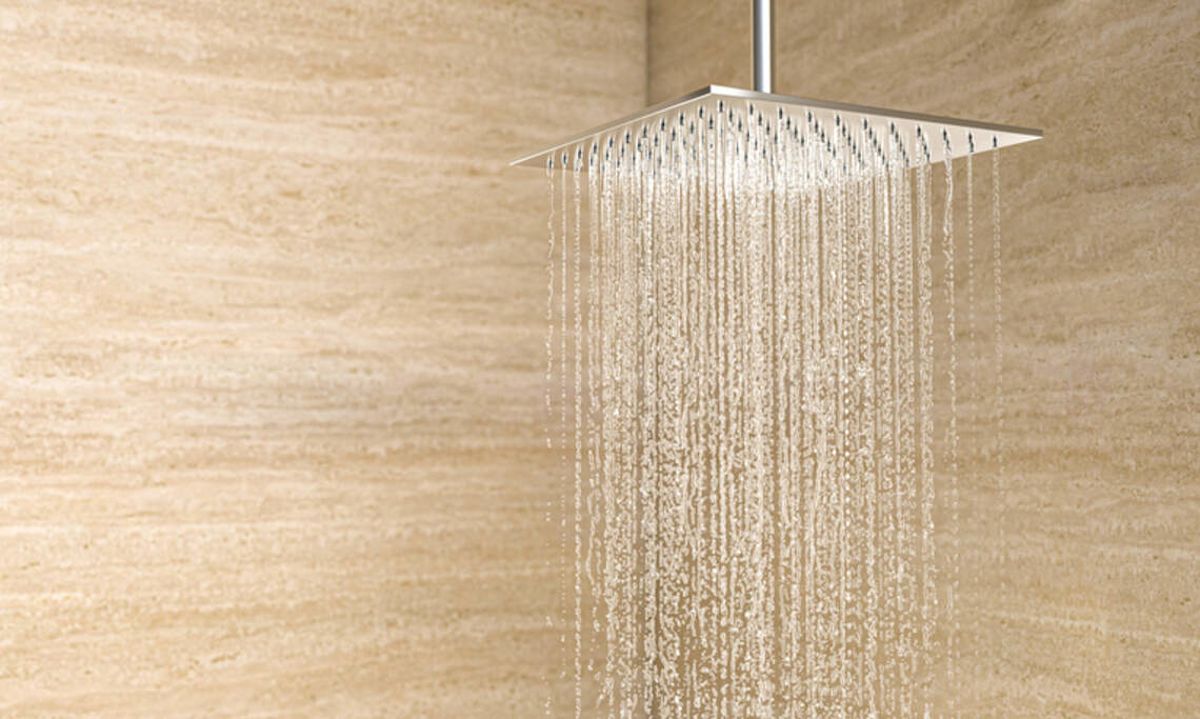
The nighttime ritual known as "dark showering" gained traction on TikTok in late 2025 and has since entered mainstream health discussions in 2026, prompting curiosity about its potential benefits for sleep.
Read More
Dark showers involve taking a shower with the bathroom lights dimmed or turned off, often used as a calming end-of-day activity. Advocates claim the practice helps reduce stress and improves sleep quality by combining reduced light exposure, warm water, and a break from screens.
While research on the effectiveness of dark showering is limited, some sleep experts suggest that the warm water and low light may aid in falling asleep faster. Chelsie Rohrscheib, PhD, a neuroscientist and head of sleep research at Wesper, explained to Healthline that a warm shower can initially raise the body's core temperature but ultimately leads to a cooling effect when exiting the shower. This cooling mimics the body’s natural preparation for sleep, potentially assisting the transition into sleep. She noted that melatonin production is influenced by light, indicating that showering in dim light could support melatonin release and signal the brain to get ready for sleep.
Sleep coach Patricia Read from Goldilocks Sleep Solutions noted that a dark shower can promote a mindful state, allowing individuals to better engage their other senses and quiet racing thoughts. She explained that focusing on the sensations of warm water and pleasant scents can enhance relaxation.
Research suggests the optimal water temperature for a sleep-promoting shower is between 104 and 108.5 degrees Fahrenheit. This range is effective for triggering the necessary body temperature changes that assist with falling asleep.
For those interested in trying dark showering, it’s advisable to dim the lights instead of turning them off entirely, and to avoid using electrical devices in the wet area. Installing a dimmer switch can be a practical solution. Experts recommend using cordless lighting options, like night lights or waterproof lamps, to maintain safety in the shower. Additionally, experts emphasize that minimizing light exposure before sleep is important, as many adults typically use screens within an hour of bedtime, which can negatively affect sleep quality.