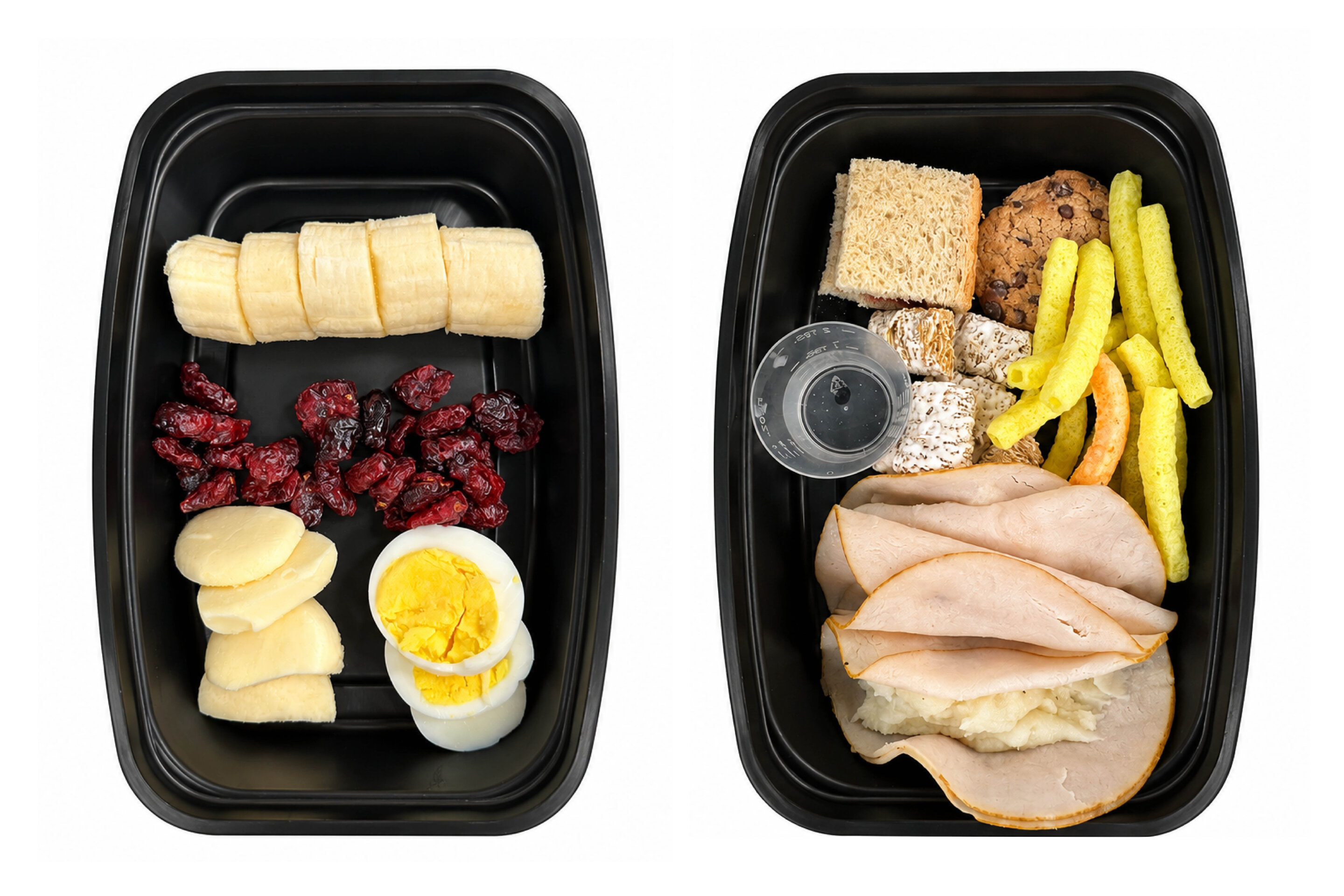
Researchers at Virginia Tech's Fralin Biomedical Research Institute discovered that two meals with identical nutritional profiles, but differing levels of processing, elicited distinct metabolic reactions. Their findings were published on October 5 in Nature Metabolism.
Read More
The study addressed the question of whether food processing itself influences metabolic responses, challenging the common assumption that meals with the same basic nutrients have the same impact on blood sugar levels. The study compared minimally processed and ultraprocessed meals that matched for calories, carbohydrates, fats, proteins, water, salt, and weight.
The results showed that ultraprocessed meals led to higher insulin release and increased energy expenditure while reducing carbohydrate utilization as fuel. Additionally, brain activity differed when participants viewed images of the foods, suggesting that processing may affect both metabolic and neural responses, contributing to issues like overconsumption and long-term health problems.
According to Alex DiFeliceantonio, the lead researcher, ultraprocessed foods account for more than half of the average American's daily caloric intake and are associated with adverse health outcomes such as obesity and type 2 diabetes. The study involved 57 healthy adults aged 18 to 45, who consumed both meal types in separate sessions after fasting, allowing for direct comparison of responses.
Each meal contained 300 calories, with the ultraprocessed version including foods like a peanut butter and jelly sandwich and veggie chips, while the minimally processed meal featured items like a banana and cheese. Blood samples were taken to track metabolic changes, revealing that participants had a more significant insulin response and prolonged blood sugar elevation after consuming ultraprocessed foods.
The research also explored how participants' brains reacted to visuals of the meals, noting that while participants did not express a willingness to pay more for either meal type, brain activity indicated varied responses related to energy usage after consumption. Experts like Carlos A. Monteiro have underscored the importance of understanding the connection between food processing and health outcomes, highlighting that these findings could guide future studies on dietary influences.
Moving forward, the research team plans to investigate the effects of different populations, longer meal durations, and additional food pairings, as well as the role of specific processing methods and commercial additives on metabolic responses.