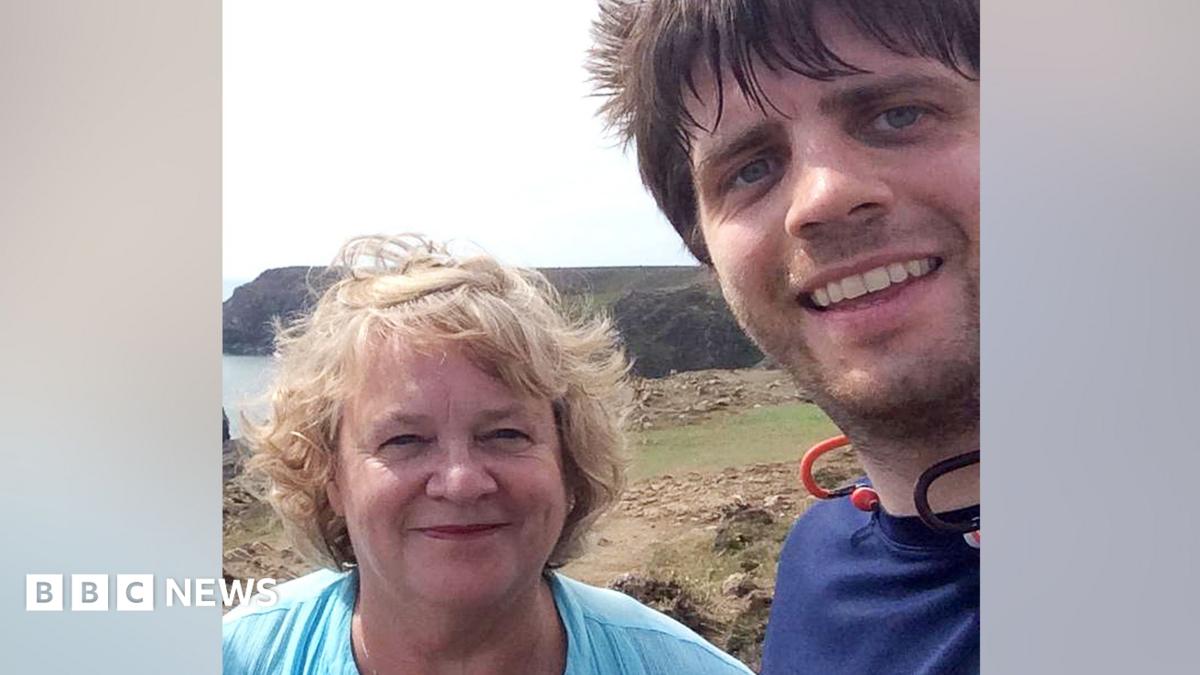
In May 2023, Patrick received a distressing call from the hospital stating that his mother, Ann, was critically ill. She had been experiencing worsening health over several months, presenting with continuous seizures. During a conversation with the hospital's medical registrar, he was informed that all anti-seizure medications had failed and was told, 'Sorry, she's dying.' He was advised to arrive at the hospital in Nottinghamshire immediately.
Read More
Upon arrival, Patrick found his mother unconscious and in kidney failure. In a desperate attempt to help, he utilized Google’s Gemini AI tool to summarize relevant medical literature about her condition and symptoms. He relayed this information to the neurology consultant, suggesting that Ann's seizures might be linked to a rare vitamin B6 deficiency exacerbated by her use of carbidopa-levodopa, a drug commonly prescribed to Parkinson's patients.
Acting on this information, medical staff administered an intravenous vitamin B6 supplement. Remarkably, Ann's seizures ceased almost immediately. "She hasn't had a seizure since," Patrick noted, adding that the entire medical team celebrated the turnaround.
Dr. Bruno Gran, a consultant neurologist at Nottingham University Hospitals, confirmed the unexpected rapid response to the treatment. He highlighted Patrick's insights as beneficial for enhancing clinical practice and expressed hope that this case could lead to broader awareness of vitamin B6's role for Parkinson's patients.
Ann has since made a full recovery, with significant improvement in her cognitive symptoms. Patrick described it as though they had "got mum back" and noted, "It feels like we found a silver bullet. She's sharp as a tack."
Parkinson's is a progressive disorder affecting mobility, with around 166,000 individuals diagnosed in the UK, according to Parkinson's UK. Patrick believes his mother’s experience could help other patients, both in emergencies and for those with cognitive decline. He mentioned that her case has prompted changes in medical practice within her treatment team.
Current evidence linking vitamin B6 deficiency to Parkinson's treatment remains limited, and many NHS staff are unaware of the potential connection. Earlier this year, the U.S. Food and Drug Administration issued a warning regarding the risks related to certain Parkinson's medications and B6 deficiency.
Dr. Graham Johnson, a consultant in emergency medicine involved in discussions with Patrick, remarked that patient stories can inspire meaningful research, potentially leading to studies that deepen understanding of this issue.
Caroline Rassell, chief executive of Parkinson's UK, advocates for further research into the connections between vitamin B6 deficiency and Parkinson's, emphasizing the need for better understanding of these links to improve patient care. However, she cautioned patients against altering their medications without medical consultation and advised discussing any concerns with healthcare providers.
Consultant neurologist Prof. Tom Foltynie noted the importance of monitoring B6 levels, as excessively high doses can also pose risks. He indicated that while low levels might not have serious consequences for most, the implications when treated accurately could be significant for patient care within the Parkinson's community.
After regaining her health, Ann was well enough to spend time with her youngest granddaughter, symbolizing a hopeful return to normalcy.