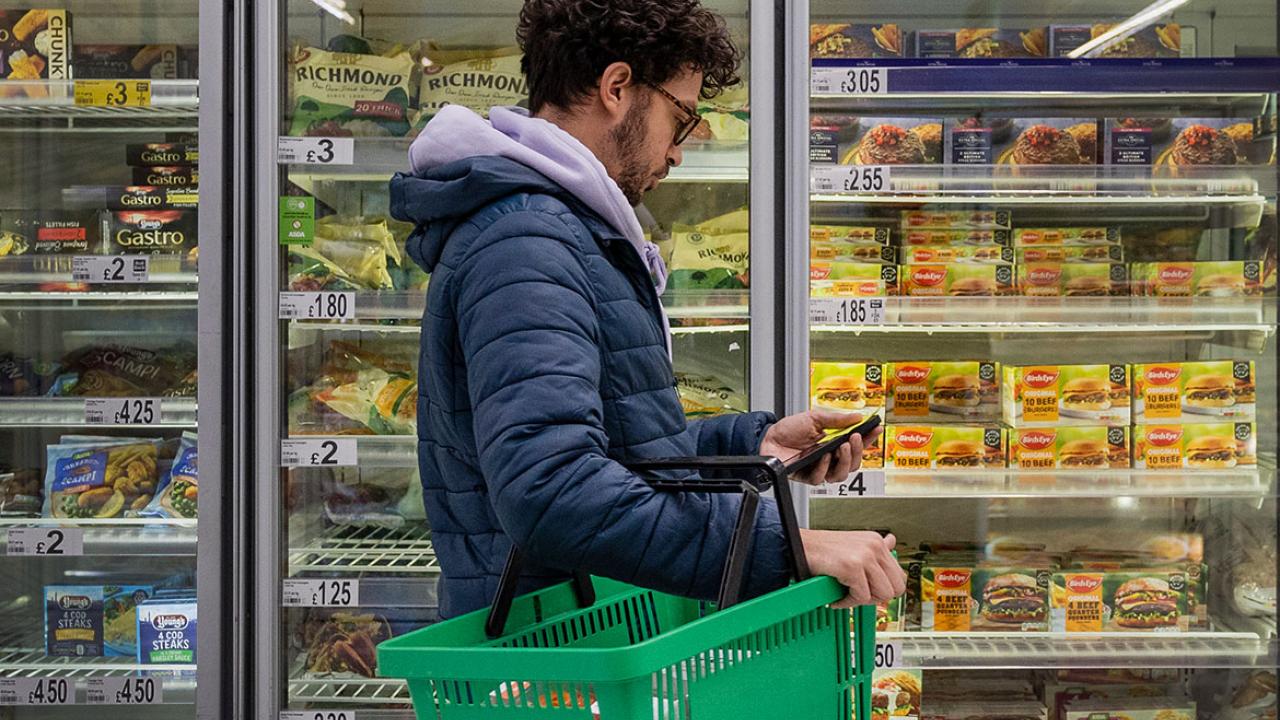
Ultraprocessed foods have become a convenient choice for many people, often sacrificing nutrition for ease. However, regular consumption of these foods is associated with an increased risk of health issues, including cardiovascular disease, certain cancers, obesity, and type 2 diabetes. Identifying ultraprocessed foods can be challenging.
Read More
A comprehensive review published in The BMJ found a connection between diets high in ultraprocessed foods and over 30 health conditions. Increased exposure to such foods correlates with a higher mortality risk, including a significant link to deaths related to cardiovascular disease, mental health disorders, and type 2 diabetes.
In the American Medical Association's series, What Doctors Want Patients to Know™, physicians Stephen Devries, MD, and Neha Sachdev, MD, discussed the implications of ultraprocessed foods. Dr. Devries, a preventive cardiologist and executive director of the Gaples Institute, explained that ultraprocessed foods are industrial products that often lack whole food ingredients and are loaded with added sugars and artificial additives. Dr. Sachdev added that these foods undergo considerable alteration, making them different in quality and health benefits from their natural counterparts.
Common examples of ultraprocessed foods include packaged snacks, ice cream, carbonated soft drinks, and meal replacement shakes, while beverages like energy drinks also fall under this category. Dr. Devries noted that ultraprocessed foods are created to be appealing and tasty but often contain unhealthy ingredients that can negatively impact health.
In contrast, processed foods, like whole wheat bread or olive oil, are generally more nutrient-dense and contain fewer additives. The health risks associated with ultraprocessed foods are alarming; a 19-year study indicates a 31% higher mortality rate for those who consume the most ultraprocessed foods. Alarmingly, 57% of adults' caloric intake comes from these foods, with even higher rates among children.
To assess and make healthier choices, experts recommend reading nutrition labels. Ingredients that are unfamiliar often indicate extensive processing. Moreover, the calories from ultraprocessed foods often provide less nutritional value compared to those from whole foods.
Dr. Sachdev advises that home-cooked meals using whole foods are ideal for a healthy diet. It's beneficial to shop around the perimeter of grocery stores, where fresh produce is typically found, and to focus on whole foods that do not require labels.
While completely eliminating ultraprocessed foods may not be practical, both doctors recommend starting with small dietary changes and discussing personal dietary goals with health care providers. These incremental steps can lead to sustainable improvements in diet and health.