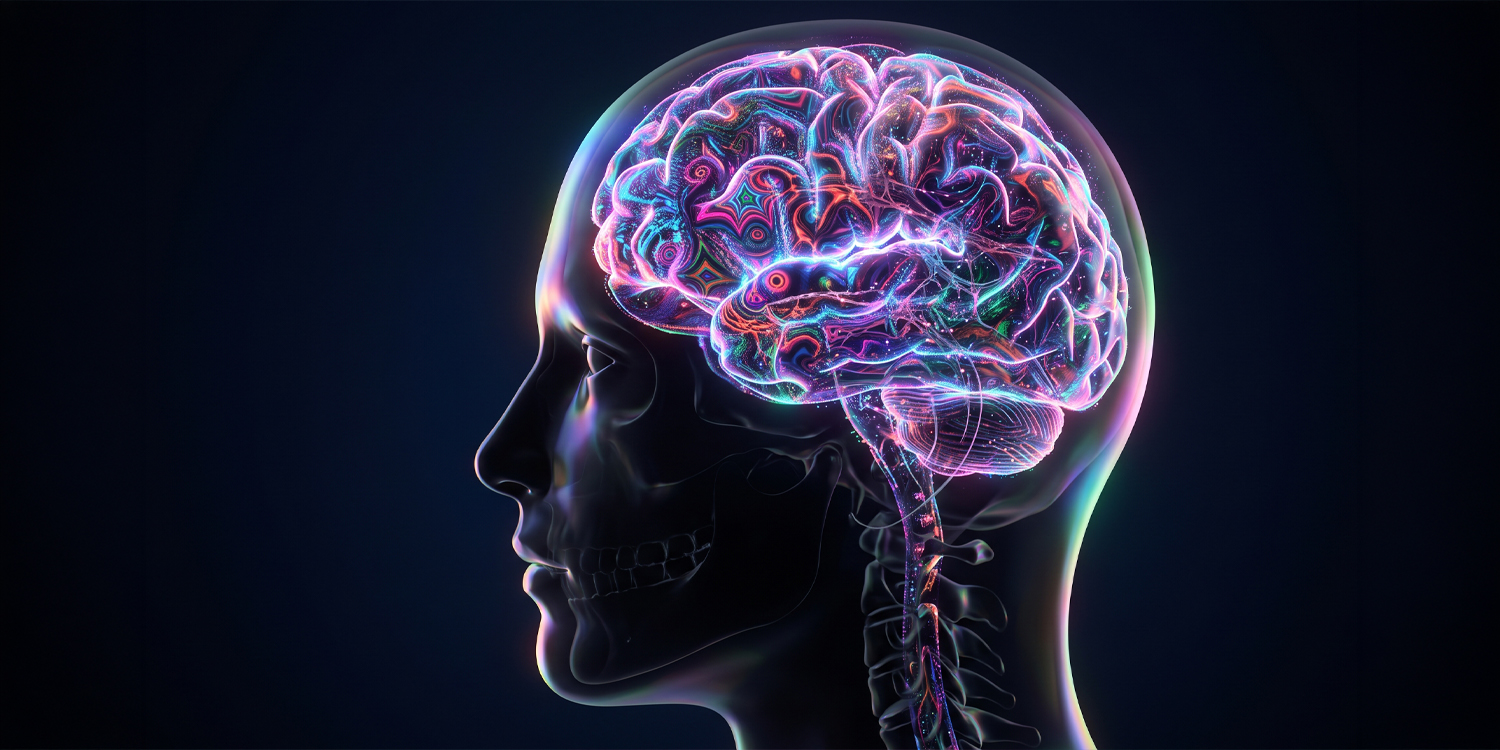
A study published in Molecular Psychiatry highlights a connection between rapid-acting antidepressants such as ketamine and psychedelics like psilocybin, suggesting they alleviate depression by influencing specific immune system pathways. The research indicates that a precise set of immune signaling molecules can predict patient responses to these treatments.
Read More
Standard antidepressants typically require weeks to take effect, while ketamine and psilocybin can provide rapid relief for patients suffering from treatment-resistant depression. However, the benefits of ketamine often diminish after a few weeks, necessitating repeated doses, and psychedelic treatments mandate significant clinical supervision and psychological support.
Ketamine operates by blocking the NMDA receptor, while classic psychedelics stimulate a specific serotonin receptor. Despite differing mechanisms, researchers posit that both drug classes may activate similar downstream molecular pathways in cells.
Chronic, low-grade inflammation is commonly associated with clinical depression, and fast-acting antidepressants trigger a cellular pathway known as mTOR, which influences brain structure and immune cell metabolism. A team led by Gregory H. Jones from the National Institute of Mental Health and The University of Texas MD Anderson Cancer Center sought to identify shared biological responses prompted by these substances.
The team utilized induced pluripotent stem cells—adult cells reprogrammed to an embryonic-like state and developed into brain cells—to investigate the genetic activity induced by ketamine, its byproduct HNK, LSD, and psilocybin. They compared results from the cells with spinal fluid samples collected from healthy individuals who received intravenous ketamine.
They discovered 103 proteins altered by ketamine in spinal fluid, with 86 percent also affected by at least one psychedelic. Mapping these interactions revealed two functional modules: one focused on immune signaling, featuring interleukin-15 and monocyte chemoattractant protein-1 as key components, and another associated with insulin signaling and brain connectivity.
To assess the relevance of these immune signals in clinical settings, the researchers reviewed data from a clinical trial involving 39 participants with treatment-resistant depression and 25 healthy volunteers, all of whom received a single intravenous dose of ketamine or a placebo. They monitored gene expression in participant blood before and after treatment.
Before treatment, those who later responded positively to ketamine exhibited lower interleukin-15 activity compared to non-responders. After four hours post-infusion, responders showed an increase in interleukin-15 and decreased B-cell signaling activity. The researchers found that circulating immune protein levels, specifically interleukin-7—crucial for B-cell development—correlated with brain wave activity measured via magnetoencephalography.
Data indicated that higher interleukin-7 levels correlated with increased gamma brain wave activity before treatment but shifted after ketamine administration, suggesting reduced gamma power associated with higher interleukin-7. Additionally, a higher starting ratio of monocyte chemoattractant protein-1 to interleukin-7 predicted a poorer response to ketamine, while a higher ratio of interleukin-4 to interferon-gamma suggested a better response.
The researchers acknowledged limits in their study, including that lab-grown brain cells were sourced solely from female donors and spinal fluid samples were exclusively from healthy individuals, potentially skewing how these findings may apply to a broader population.
Timing mismatches in the human trial—where blood samples were taken four hours after treatment while brain imaging occurred six to nine hours later—also posed challenges in interpreting the relationship between immune changes and brain wave activity.
The findings serve primarily as exploratory data needing further investigation. Larger, independent studies will be required to validate whether targeting these immune pathways can reliably treat depression. The study titled "Convergent neuroimmune signaling underlying rapid antidepressant response to ketamine and psychedelics" included contributions from researchers Gregory H. Jones, Jessica R. Gilbert, Jenessa N. Johnston, and several others.