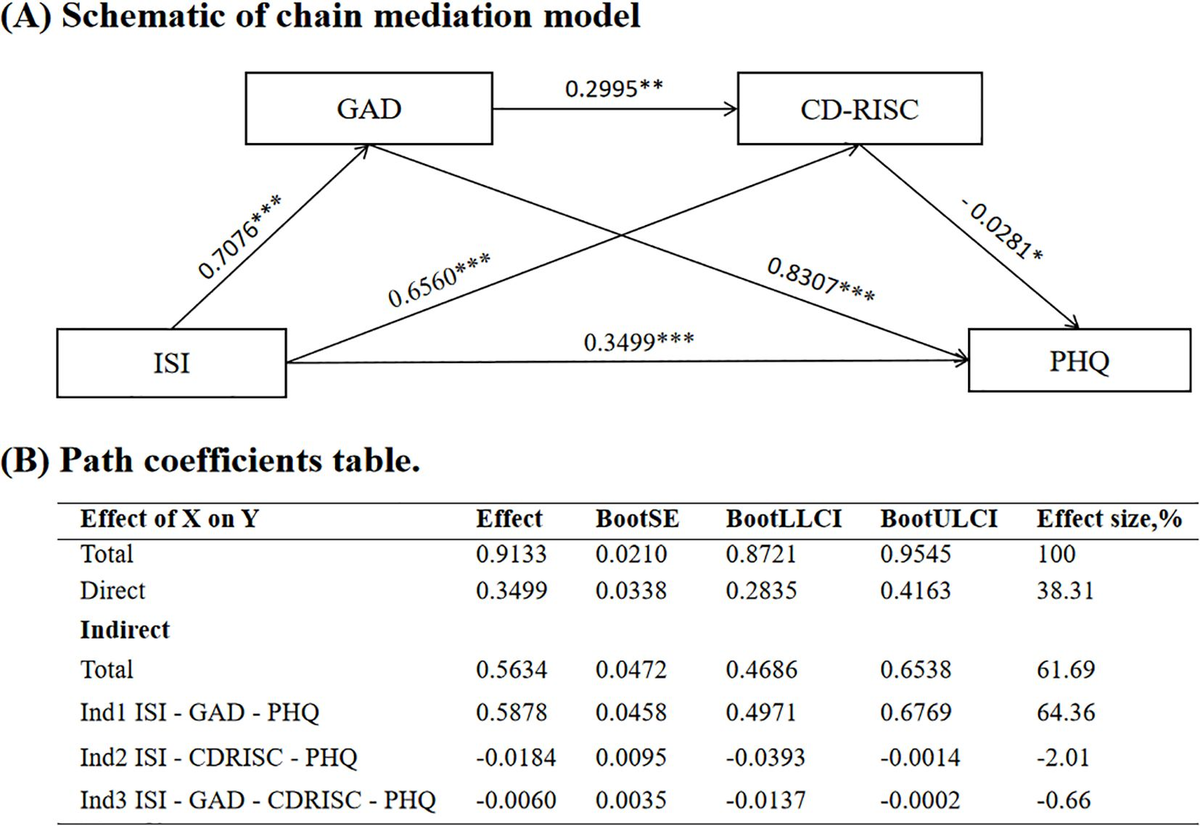
A recent study published in Frontiers in Psychiatry investigated the mental health of Chinese academic researchers, focusing on the roles of insomnia, anxiety, and resilience in relation to depressive symptoms. Conducted between September and November 2023, the cross-sectional online survey included responses from 645 participants across 19 provinces in China. The researchers employed various psychometric scales including the Insomnia Severity Index (ISI), Generalized Anxiety Disorder-7 (GAD-7), Patient Health Questionnaire-9 (PHQ-9), and the Connor–Davidson Resilience Scale.
Read More
Results indicated that insomnia severity was significantly associated with depressive symptoms and that this relationship was mediated by anxiety and resilience. Notably, researchers with doctoral degrees exhibited a higher prevalence of insomnia than their non-doctoral counterparts, with a 66% screening positive for insomnia compared to 54.5% among non-doctoral researchers. The study highlighted a direct effect of insomnia on depression (38.31%) and an indirect effect mainly through anxiety and resilience (total effect: 61.69%). Interestingly, the study found that resilience played a more complex role in non-doctoral researchers, suggesting heightened vulnerability compared to those with higher education.
The findings emphasized the urgent need for tailored mental health interventions within academic environments, including sleep hygiene programs and resilience training, to better address the unique challenges faced by researchers. Researchers noted that while insomnia serves as a major contributor to mental health issues, the influence of resilience varied significantly based on educational attainment. Overall, these insights pointed to a crucial need for proactive measures to support the mental health of academic professionals in China.