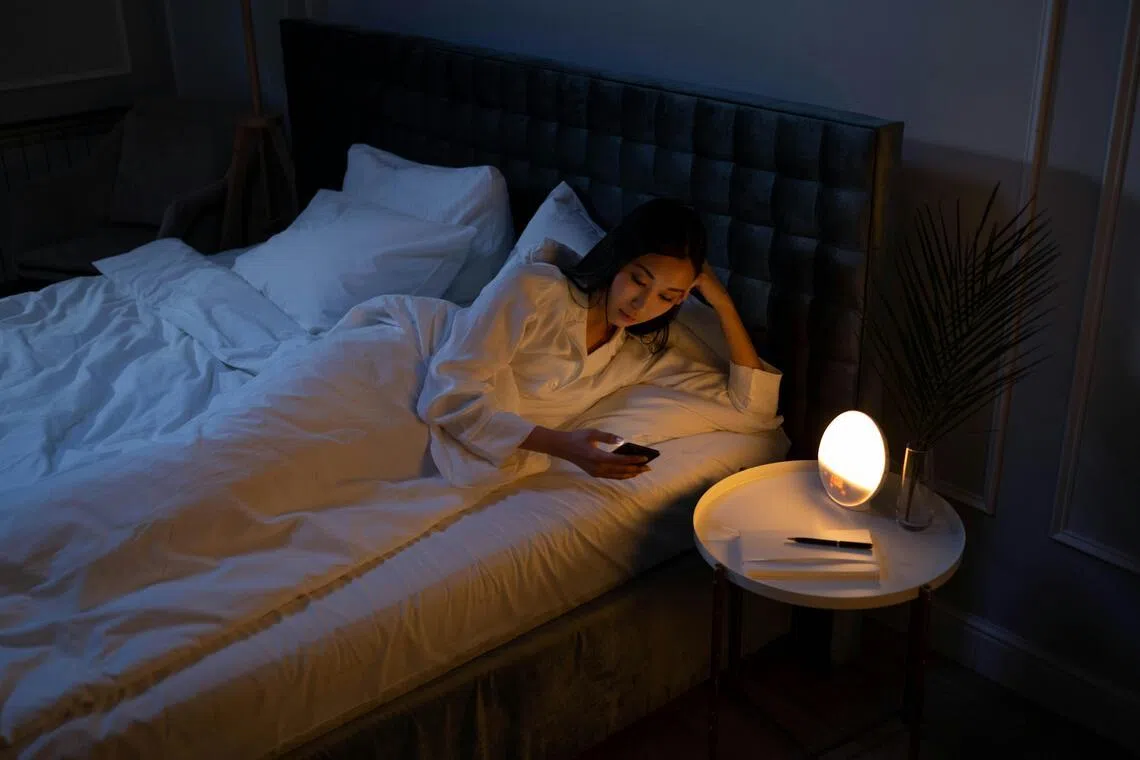
SEOUL – Sleep disorders are becoming more prevalent in South Korea, with the number of affected individuals rising by over 20 percent in the past four years. Data from the Health Insurance Review and Assessment Service revealed that 1,346,196 South Koreans were treated for sleep disorders in 2025, marking a 24 percent increase from 1,088,038 in 2021.
Read More
Among the various sleep disorders, chronic insomnia, characterized by difficulties in initiating or maintaining sleep for at least three months, and sleep apnoea are common. Patients in their 60s represent the largest demographic, totaling 321,219, followed by those in their 50s with 257,424 and those in their 70s with 244,138. Notably, there has been a significant rise in cases among children and adolescents, with patients under 10 increasing by 67.5 percent to 3,726, and teenage patients rising by 32.6 percent to 11,633.
A 2024 survey by the Korean Sleep Research Society indicated that the average South Korean gets just six hours and 58 minutes of sleep per night in 2025, which is 18 percent less than the Organisation for Economic Cooperation and Development (OECD) average of eight hours and 22 minutes. Experts attribute the rise in sleep disorders to increasing academic pressure and higher screen time.
Kim Ji-hyun, a neurology professor at Ewha Womans University Seoul Hospital, noted that many children and teenagers are staying up late due to distractions from phones and homework, which can lead to depression and behavioral issues later in life. The availability of around-the-clock services, including overnight deliveries and 24-hour convenience stores, further exacerbates these issues.
The Korea Labor Institute reported that approximately 2.17 million people worked night shifts between 10 PM and 6 AM on weekdays in 2024, constituting 14.2 percent of the workforce. Although this figure shows a decrease of 401,000 from 2019, weekend night workers grew from 817,000 in 2019 to 1.18 million in 2024.
The Korean Society of Sleep Medicine highlighted the importance of addressing the consequences of insufficient sleep, which can include worsening depression and anxiety as well as an increased risk of serious conditions such as dementia and cardiovascular disease. They advocate for policy efforts aimed at improving access to sleep evaluation and treatment.