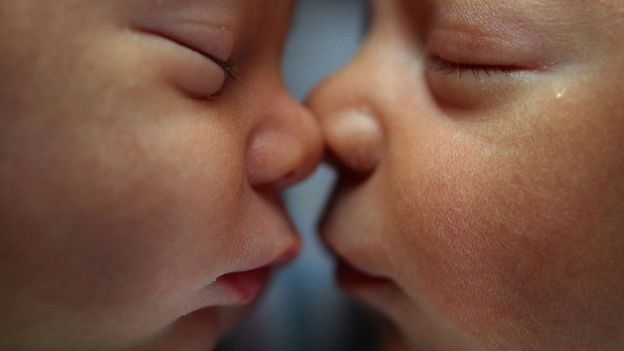
Researchers are uncovering important insights into safe and healthy sleep for infants, challenging many common beliefs surrounding baby sleep. The notion that sleep regressions are real, or that an uninterrupted 12 hours of sleep is ideal, is fundamentally questioned by experts.
Read More
Parents of newborns often face inquiries about their child's sleep patterns, as many look forward to the day when their baby sleeps through the night. An industry has emerged in Western societies that promotes sleep coaching and various resources, all aimed at achieving the presumed goal of a baby sleeping alone in a crib for extended periods. However, experts caution that this idea is neither universal nor reflective of how infants have historically slept. Helen Ball, a professor of anthropology at Durham University, notes that human beings are not evolutionarily designed for long, uninterrupted periods of sleep in silence and darkness, as is common in Western cultures.
Findings regarding sleep requirements for children often apply to school-aged kids rather than infants, and much of the existing research shows correlations, not causations. Alice Gregory, a psychology professor at Goldsmiths University, emphasizes that sleep patterns can vary significantly among babies. A study of 554 infants in Australia revealed a range of sleep durations, with averages around 14 hours a day but disparities of over eight hours between those who slept the least and the most.
Implementing strict sleep schedules, such as a set bedtime, can be challenging in the early days due to a baby's underdeveloped biological rhythms. For optimum sleep regulation, creating a routine that aligns daytime exposure to light with nighttime darkness can be beneficial. Yet, George Gregory points out that infants do not produce melatonin during daylight, meaning light and dark cycles should be carefully approached.
Research has linked early bedtimes to academic and health benefits in older children, yet similar findings do not hold for infants. The timing when toddlers release melatonin is variable; a study in Rhode Island found that even among early bedtimes, melatonin release for toddlers typically happens around 7:40 PM.
Attempts to force babies into rigid routines may backfire, leading to bedtime resistance or sleep disruption. Encouraging responsiveness to a baby's needs—not adhering strictly to set schedules—aligns with recommended nurturing practices. Experts suggest that maintaining a flexible schedule can support both sleep and feeding needs, especially during the critical early months.
Contrary to common beliefs, complete uninterrupted sleep is neither realistic nor inherently better for infants. Babies often need to feed or receive comfort during the night, especially within their first year of life. A substantial study from Finland indicated three-month-olds wake an average of 2.2 times per night, and many parents reported frequent awakenings even in older infants.
Frequent nighttime disruptions are natural and serve a protective function against conditions like sudden infant death syndrome (SIDS). James McKenna, director of the Mother-Baby Behavioral Sleep Laboratory, highlights the risks of promoting uninterrupted sleep, which may hinder infants' natural protective behaviors.
Additionally, studies challenge the validity of sleep regressions as defined periods of chaotic sleep, suggesting such transitions are based on developmental milestones rather than sleep architecture changes. Babies learning new skills often result in increased nighttime awakenings.
Overall, many commonly held notions about infant sleep, including the expectation for independent sleep and strict sleep schedules, may not reflect the biological realities of infants. Experts reinforce that diverse family dynamics should guide sleep practices, prioritizing safety to help mitigate risks like SIDS while fostering a nurturing sleep environment.